Fonterra Elections 2026: Voting Opens Tuesday 20 October
Fonterra shareholders can begin voting on Tuesday 20 October in the 2026 Board of Directors’ election, a Co-operative Council election in one Ward, and seven Annual Meeting resolutions.




 increase font size
It seems other dairy processors in New Zealand and elsewhere are doing fine while Fonterra struggles to keep its head above water.
With the co-op’s financial woes well documented everywhere, reports of record results from others mean one thing: Fonterra’s strategy has been wrong all these years.
Look at Arla Foods, a European co-op nearly the same size as Fonterra. It’s total revenues for the six months ending June rose nearly NZ$9 billion -- NZ$25 million higher than the same period last year, backed by a 4.6% rise in branded product sales and higher sales prices. Net profit share for 2019 is expected to be in the target range of 2.8-3.2% of revenue.
And at home, Synlait reported an increase in profit to $82.2m, plus a total average milk price of $6.58/kgMS off revenue that exceeded $1 billion for the first time.
Fonterra shareholders can begin voting on Tuesday 20 October in the 2026 Board of Directors’ election, a Co-operative Council election in one Ward, and seven Annual Meeting resolutions.

Fonterra Co-operative Group chief financial officer Andrew Murray has resigned to take up a role outside the dairy giant.
Four candidates have been confirmed for two director positions on Fonterra’s board.
A record farmgate milk price and strong global demand is laying the foundation for continued growth of organic dairy farming in New Zealand.
Waikato milk processor Tatua has again declared a record milk payout to farmer shareholders, leaving other processors in the dust.


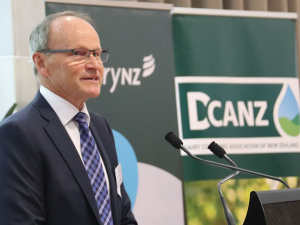
Dairy processors are ready to further boost New Zealand’s export earnings but want the incoming government to match their ambition with good policy.
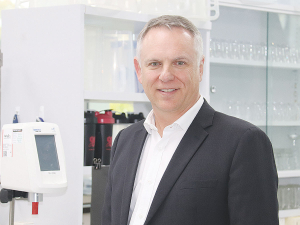
Massey University is best placed to solve the “problems” facing the dairy industry, says vice chancellor, Pierre Venter.
Synlait's longest serving employee – a man who joined the Canterbury-based milk processor even before it began processing milk – is now its newest executive.
A dairy industry leader believes eradicating the common and costly disease, Bovine Viral Diarrhoea (BVD) is within reach.
A farmgate milk price of $10/kgMS this season is firming up as milk powder prices soar and the New Zealand dollar weakens.
Federated Farmers has welcomed new rural policies released by ACT, saying they align closely with its own election priorities.

OPINION: It seems Canterbury processor Synlait is still in the doldrums.
OPINION: Get offside with New Zealand First leader Winston Peters at your own peril.




