International blackcurrant study may offer hope for diabetics
A new international clinical trial testing a molecule found in New Zealand blackcurrants may offer hope for thousands of Kiwis living with diabetes and associated metabolic disorders.



 increase font size
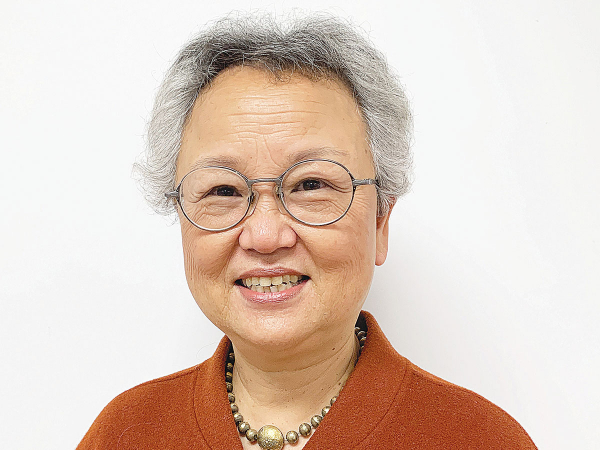 Auckland University neuroscientist Dr Jian Guan.
A New Zealand neuroscientist’s research into recovery from brain injuries is set to provide a multi-million-dollar boost to New Zealand horticultural exports.
Dr Jian Guan led an Auckland University study with Otago University, which discovered that New Zealand blackcurrants contain elevated levels of cyclic Glycine-Proline (cGP) – a key brain nutrient that normalises a hormone essential for overall body health.
This has led to development of a new export market with a distribution deal between cGP Max, an Auckland based company established to commercialise the discovery.
Meanwhile, a major food ingredients distributor in China will see the export of more than 10 tonnes of raw ingredients delivering cGP over the course of the next three years.
The new Chinese nutraceutical export deal is a welcome boost for blackcurrant growers in Canterbury and Nelson, with the majority of their 4,000 tonnes current crop yield destined for local beverage makers or the quick-frozen fruit consumer market.
Nadine Morris, spokesperson for cGP Max, says health supplement sales in China have grown 500% since Covid emerged.
She says per kilo returns from the blackcurrants used to create a value added cGP capsule are 18 times higher than the sale of the fresh berry.
“We know that China’s population is ageing faster than almost all other countries in modern history,” Morris explains. “As a result, we expect this country to be our largest export market for cGP, and our supply of the raw ingredient will see it developed into a range of functional food and beverages in the coming years.”
Morris adds that a process to extract cGP from blackcurrants, and other potential sources of the compound, has been patented in over 30 countries, providing IP protection while the company expands globally.
She says the climate and alluvial soils in Nelson and the Canterbury plains produce a blackcurrant higher in antioxidants (anthocyanins) and polyphenols than those found in Europe.
In addition, cGP Max has recently begun exporting orders of a new brain health supplement line to other countries including the United States, UK, Spain, Singapore and Australia – having first developed New Zealand as a test market.
The products are designed to supplement levels of cGP to normalise IGF-1 function, which naturally declines with age, but is essential for maintaining body and brain function.
A new international clinical trial testing a molecule found in New Zealand blackcurrants may offer hope for thousands of Kiwis living with diabetes and associated metabolic disorders.
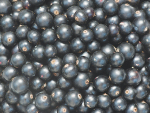
Dr Jian Guan says while New Zealand blackcurrants are uniquely rich in cGP, they are also exploring other natural sources of the nutrient.
One of New Zealand’s smallest fruits has the potential to improve the performance of our country’s sports people.
A UK-based company, believed to be the single biggest exporter of New Zealand blackcurrant product, has seen “very strong” sales as consumers in the grip of the COVID-19 pandemic seek healthy dietary supplements.
South Canterbury organic blackcurrant grower Tony Howey wants to topple blueberries from being publicly perceived as the ‘king of antioxidants’.


Federated Farmers has welcomed new rural policies released by ACT, saying they align closely with its own election priorities.
Rural Contractors NZ says proposed changes to land transport rules for agricultural vehicles are a welcome response by the Government to out of date regulations which have seen members hit with huge fines.
Alliance is calling for final applications for its 2027 Graduate Programme, with applications closing on Sunday 25 October.
Decades piloting planes has ensured vet and farmer David Hayes is focused on safety. So, after a serious accident while welding on farm, he is sharing his experience so others can learn from it.
Canterbury milk processor, Synlait Milk has confirmed Leon Fung as its chief executive officer.
OPINION: Making it easier to collect rainwater and use it to grow crops and livestock is a no brainer.

OPINION: The same mainstream media muppets that brought you Jacindamania in 2017 have been flat out pimping for the Opportunities…
OPINION: Your old mate reckons the atrocious way farmers in the UK are treated by their lords and masters in…




