Keep What Works Working: NZ's New Resistance Campaign
New Zealand growers have always adapted to changing conditions, but one challenge is steadily gaining ground across the horticulture sector: resistance.



 increase font size
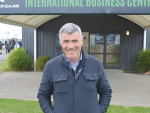
 Onions New Zealand chief executive James Kuperus.
The New Zealand onion industry has welcomed the recent signing of the free trade agreement (FTA) with the European Union (EU).
It says the agreement will see the elimination of tariffs worth over $6 million annually on NZ onion exports to the EU and has also addressed technical barriers to trade.
"The EU is the number one market for New Zealand onion exports. Tariff savings of 9.6% puts the New Zealand onion industry on a level footing with competitors such as Chile and South Africa," Onions New Zealand chief executive, James Kuperus says.
He thanked the officials in New Zealand and the EU for supporting export industries like onions, which play a key role in regional economies across New Zealand.
Kuperus says onion growers from South Auckland to Canterbury will benefit from this FTA.
"It is now important that the New Zealand Government, post-election, passes the necessary legislation to bring this FTA into effect so producers and exporters can make use of it next season."
Kuperus says the agreement is even more important given the extremely difficult season onion producers have had in the North Island.
In the year to March 2023, the New Zealand onion industry exported $143 million worth of onions to 45 countries and employed 1,050 people.
New Zealand growers have always adapted to changing conditions, but one challenge is steadily gaining ground across the horticulture sector: resistance.
Politicians calling for New Zealand to withdraw from the Paris Agreement on climate risk damaging two of our gold-plated free trade deals.
The stark realities of the world trade that New Zealand is having to face have been revealed by Trade Minister Todd McClay.
New Zealand and the European Union are closer than ever.
New Zealand exports to the European Union have surged by $3 billion in two years under the New Zealand-European Union Free Trade Agreement.

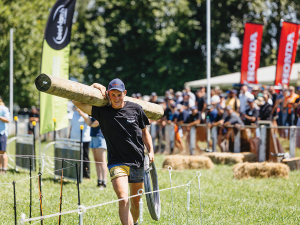
The 2027 East Coast Farming Expo will continue a decade long tradition in bringing the latest innovation, intriguing speakers, industry leaders and more.

Halter has launched Mav, an AI farming assistant that lets dairy farmers ask questions about their herd and pasture and get answers drawn from the data the company’s collars already collect.
OPINION: At first glance it appears that Father Christmas has delivered the rural sector good tidings, with most pundits predicting the return of the centre-right coalition.
For 15 years, Glenda Rees has travelled from Gore to Awarua, often several times a week, to keep watch over one of the country’s rarest birds.
With some farmers opposing a government-industry partnership set up to develop methane reducing products, one NZ company claims that it already has a product on the market.
During the nesting season, from September to December, industrious starlings can quickly build nests in the darker areas behind tractor and vehicle, usually close to hot engines, typically resulting in localised damage or in some cases complete write-offs.


OPINION: The same mainstream media muppets that brought you Jacindamania in 2017 have been flat out pimping for the Opportunities…
OPINION: Your old mate reckons the atrocious way farmers in the UK are treated by their lords and masters in…