'LinkedIn Greens'
OPINION: The same mainstream media muppets that brought you Jacindamania in 2017 have been flat out pimping for the Opportunities…




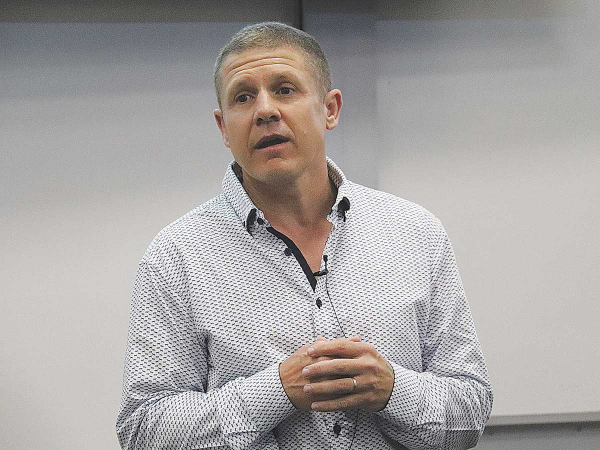 Professor Paul Kenyon says we need to farm in a profitable and productive manner, but also in a sustainable way.
The Head of Massey’s School of Agriculture & Environment, Professor Paul Kenyon, says the direction the Government is heading on sustainability heralds the way that NZ will farm in the future.
However, he adds that we shouldn’t forget that we need to farm in a profitable and productive manner, but also in a sustainable way.
Kenyon says Massey University is a significant contributor to the knowledge that is needed to achieve these new goals and the university has a role in the areas of teaching and research. But he concedes that it is important to realise the role of others in doing this as well.
“We are not doing it alone and are working with a number of partners across NZ and across the world in a number of areas,” he told Rural News.
“There is the water quality aspect and greenhouse gas aspect and we can’t be leaders as a university in all areas. So, we have strength in the areas of water quality and nitrous oxide areas, but we also contribute to other areas – including greenhouse gas emissions.”
To that end, Kenyon says Massey University is including material about environmental issues in its signature courses of Bachelor of Ag Science and Bachelor of Agri Business.
He says this has been done in association with their partners to make sure the information students are given is about increasing profitability and productivity for farmers, but in a sustainable manner.
“In our courses there is a lot more about environmental impacts underpinning all the course and throughout the programme,” he explains. “It’s not so much about a paper or course on the topic, but it is thread throughout the degree programme.”
Kenyon says Massey University has had a long tradition of being very strong in animal science, be that in the traditional bachelor of ag science or the vet science programme.
However, the message he’s getting from employers is that they want people who have a degree to have a far more in-depth knowledge of the subject. Kenyon says this is understandable given that animal welfare is becoming increasingly important to consumers and regulators in our export markets, and the industry needs people who can ensure these goals are met.
He says one of the challenges of educators today is trying to predict what knowledge and skills the workforce will need in 20 years’ time. Kenyon says Massey wants to be proactive and produce graduates who have the skills to meet any needs in the future.

OPINION: The same mainstream media muppets that brought you Jacindamania in 2017 have been flat out pimping for the Opportunities…
OPINION: Your old mate reckons the atrocious way farmers in the UK are treated by their lords and masters in…
Returning to the family dairy farm after playing 20 years of professional rugby around the world is no easy task.
LIC shareholders have elected a new North Island representative to the co-operative's Board, along with five representatives to its Shareholder…
Synlait has swung to second-half profit as operations stabilise, but the dairy processor still posted a $75.4m annual loss.
