Pāmu Braces for $30m Hit From Rising Farm Costs
State farmer Pāmu is bracing for a $30 million hit from soaring farm input costs this financial year.




 increase font size
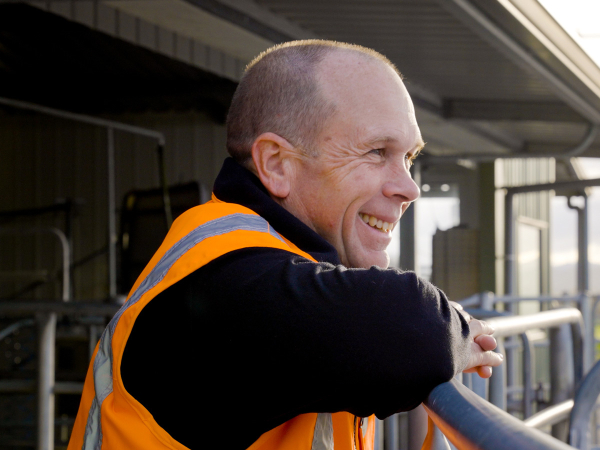 Pāmu (Landcorp Farming) chief executive Mark Leslie.
Pāmu Farms of New Zealand (Landcorp Farming Limited) has produced a Net Operating Profit (NOP) of $3 million for the half-year to 31 December 2023.
This was compared to $15 million for the half-year to 31 December 2022.
Pāmu chief executive Mark Leslie says the drop in profits was due to several challenges including a sharp reversal in global dairy prices, plummeting lamb prices, and adverse weather events in 2023.
“Sustained damage from last summer’s cyclones continues to impact our bottom line as we reinstate infrastructure and work to re-grass lost pasture, repair or replace damaged fences, clear slips, and maintain farm tracks,” says Leslie.
The state farmer is currently forecasting an improved full-year NOP of between $9 million and $19 million compared to its original forecast of between $1 million and $10 million.
Leslie says this change to the forecast is largely a result of a positive uplift in the global dairy trade index and gains from the company’s wider forestry business.
“It assumes that there will be no further deterioration in the exchange rate and that livestock prices hold through the season,” he says.
“Despite challenges facing the primary sector, Pāmu strives for operational excellence with an emphasis on innovation, sustainability, and being a safe, responsible employer.
“Health, safety, and wellbeing are at the heart of how we operate. We aim to ensure all out people and contractors get home safely every night and we continually look to enhance best practice programmes and systems to ensure safe behaviour is embedded in everything we do,” Leslie says.
December 2023 marked what Leslie says is an important milestone for the company: The last of the state farmer’s quadbikes leaving its farms.
“This was achieved in the same month as media reports of several fatalities involving quads, highlighting the risk of using these vehicles for farm tasks and corroborating our decision to exit them from the business,” he says. “While not without some costs, removing quads from a peak of 440 nationwide is a major milestone in our health and safety journey.”
“Over the past six months, we have continued to progress on our organisational strategy. We continue to adjust our practices to increase profitability and efficiency while seeking to ensure our farming activities continue to positively to ecosystems and communities,” Leslie concludes.
State farmer Pāmu is bracing for a $30 million hit from soaring farm input costs this financial year.
Pāmu has released its FY26 Integrated Annual Report, reporting a Net Operating Profit of $113 million, more than double the $49 million recorded in FY25.
A partnership between state-owned enterprise Pāmu (Landcorp Farming Limited) and charity Meet the Need is putting more than quality New Zealand beef into food bank parcels this year.
State farmer Pamu has delivered its strongest operating result on record.
Beef+Lamb New Zealand and the Ag Emissions Centre have launched a new research project aimed at helping beef farmers reduce methane emissions without impacting productivity or profitability.


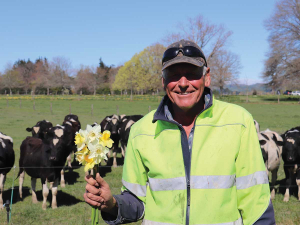
South of the central Hawke’s Bay town of Waipukurau is Taniwha Station – a highly successful 550ha bull beef farming operation.
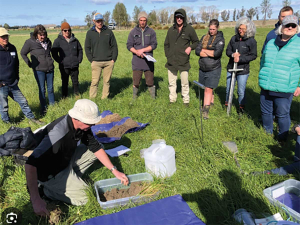
Beef + Lamb NZ funded research has shown that some simple changes to pasture management could help farmers make better use of rainfall and build resilience before dry conditions hit.
OPINION: There could hardly be a more appropriate theme for a conference than the one chosen by the red meat sector - Navigating Volatility.
When Northland leather worker Vernon Suckling started making horse saddles 50 years ago, quad bikes and side-by-side vehicles were unheard of.
Alliance Group has confirmed that eligible farmer-shareholders who supply and continue to back the business will receive up to $20 million later this year, following the strategic investment partnership with Dawn Meats.
With a general election under five weeks away, Rural News is asking major political parties about their policies and positions on key issues facing the primary sector. We will run their responses to each question over the next four weeks. The ACT Party and the Greens didn't respond in time.





OPINION: The same mainstream media muppets that brought you Jacindamania in 2017 have been flat out pimping for the Opportunities…
OPINION: Your old mate reckons the atrocious way farmers in the UK are treated by their lords and masters in…