Confidence levels among New Zealand’s farmers remain high but have tempered slightly, the latest quarterly Rabobank Rural Confidence Survey has found.
The overall net confidence reading fell to +25 per cent, down from +35 per cent last quarter, but remained at net positive levels for the third consecutive quarter.
The survey found the number of farmers expecting the rural economy to improve in the next 12 months had fallen to 39 percent per cent (down from 48 per cent in the previous quarter), while the number expecting it to worsen rose to 14 per cent (up from 13 per cent). A total of 42 per cent were expecting similar conditions (down from 37 per cent).
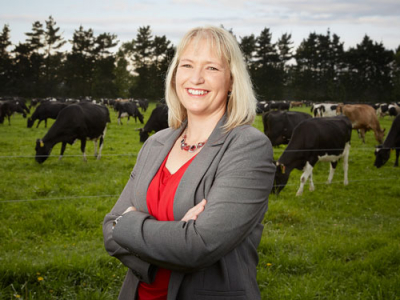
Rabobank New Zealand general manager for Country Banking, Hayley Moynihan said the positive outlook for the dairy and horticulture sectors had kept overall confidence in the agricultural economy high.
“The prospects for the dairy and horticultural sectors are good for 2017 and, while overall confidence has come back slightly from last quarter, it’s still significantly higher than the levels recorded throughout 2015 and early 2016,” she said.
Moynihan said the primary driver of the fall in overall confidence was reduced optimism in the prospects for the sheep and beef sector.
“Sheep and beef farmers are likely to experience a tough season. Lamb prices have reached the seasonal peak, with the lucrative UK and EU Christmas trade now finished, and returns have been around 10 per cent lower than last year. While on the beef side, global prices are under pressure – and the beef schedule is likely to weaken in 2017,” she said.
“The high New Zealand dollar, particularly in relation to the British pound, is also making life difficult for sheep and beef farmers – which is unfortunate considering the improving market demand in other overseas markets – and the pessimism surrounding this sector appears to be the biggest contributor to the lower expectations for the performance of the broader agricultural economy.”
Farmers’ expectations for their own businesses in the next 12 months also came back slightly from the previous survey, but remain strong. Overall 42 per cent of farmers expected the performance of their own farm business to improve over this period, 34 per cent expected it to remain the same and 21 per cent for it to worsen. This resulted in a fall in the net reading for this measure to +21 per cent, down from +28 per cent in the previous quarter.
Moynihan said a closer look at the survey results by industry highlighted the vastly different expectations in farm performance amongst farmers in New Zealand’s two largest agri sectors.
The survey found sheep and beef farmers were significantly less positive about their own businesses than last quarter registering a net reading of –25 percent this survey, from +two per cent previously. Conversely, the reading for dairy farmers rose to +67 per cent from +57 per cent last quarter.
“Given the current challenges facing the sector, it’s not surprising we’ve seen a substantial drop in sheep and beef farmer expectations. On the other hand, dairy farmer expectations for their own business have lifted for the third consecutive quarter,” she said.
“This further improvement in dairy farmer confidence followed significant commodity price hikes in Global Dairy Trade Events since the last survey and Fonterra recently raising their forecast farm gate milk price for the 2016/17 season to $6.00 kg/ ms,” Moynihan said.
Horticulturalists’ expectations for the performance of their own businesses dropped to a net reading of +19 per cent back from +26 per cent last quarter.
“This is the second consecutive fall in horticulturalists’ expectations for their own businesses, however, it continues a run of net positive results dating back to the September 2015 survey,” Moynihan said.
Investment intentions amongst farmers rose to a net reading of +18 per cent from +11 per cent last quarter, the highest reading since late 2014.
Horticulturalists had the strongest investment intentions with net +33 per cent looking to increase investment, followed by dairy farmers at net +22 per cent and sheep and beef farmers at net +7 per cent.