
Super El Niño Raises Odds of Dry, Windy Growing Season
With a very strong El Niño increasing the odds of a dry and windy winegrowing season in New Zealand’s eastern regions, the industry should take measures to prepare.




 increase font size
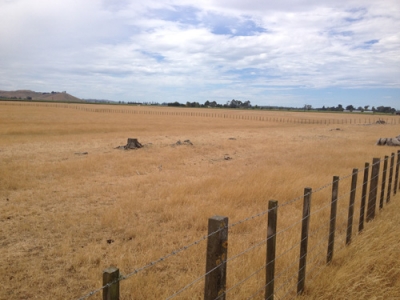 MPI says farmers in drought-affected regions will feel the impact of El Niño for months.
MPI says while recent rains have brought welcome respite from dry weather in much of the country, farmers in drought-affected regions will feel the impact of El Niño for months.
The ministry is monitoring the weather closely and keeping ministers updated. It is also working through Rural Support Trust branches and industry groups to ensure support for farmers.
"In many drought-hit areas, particularly Canterbury and Marlborough, the rain was a great morale booster," says MPI's director of resource policy David Wansbrough.
"Crop farmers have had a better start to the year, as any good rainfall like this helps new crop growth. But where pasture has died from over a year of dry weather more rain will be needed to break the drought and it will be months before production recovers.
"Much of Otago was less lucky and didn't receive the rainfall of their northerly neighbours. In Strath Taieri some locals are saying it's the driest they have ever seen it."
Rural Support Trust reports that the financial and emotional impact of drought is starting to pinch some farmers. (Farmers and their families can contact their local Rural Support Trust on 0800 787 254 for advice and information; or Federated Farmers feed line on 0800 376 844 to help get feed to drought-hit farms.)
"Increasingly dry Northland did particularly well out of this month's deluge, getting up to 80mm of rain, but has since been hammered by strong easterly winds which hasten soil drying and it can damage some crops."
MPI continues to monitor soil moisture deficits in the North Island, knowing many farmers are still recovering from the June 2015 storms in Taranaki and Whanganui.
With a very strong El Niño increasing the odds of a dry and windy winegrowing season in New Zealand’s eastern regions, the industry should take measures to prepare.
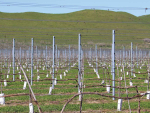
Hawke's Bay fruit growers are being reminded of the need to prepare for whatever the El Niño weather system may bring in the coming months.
Westpac NZ is calling on farmers and growers to start preparing now for the possibility of a dry summer, as likely El Niño conditions raise the risk of drought across parts of the country.
OPINION: Have a plan in place now!
A spate of southerly winds bringing cold temperatures has presented challenges for Taranaki dairy farmers.


Federated Farmers has welcomed new rural policies released by ACT, saying they align closely with its own election priorities.

Rural Contractors NZ says proposed changes to land transport rules for agricultural vehicles are a welcome response by the Government to out of date regulations which have seen members hit with huge fines.
Alliance is calling for final applications for its 2027 Graduate Programme, with applications closing on Sunday 25 October.
Decades piloting planes has ensured vet and farmer David Hayes is focused on safety. So, after a serious accident while welding on farm, he is sharing his experience so others can learn from it.
Canterbury milk processor, Synlait Milk has confirmed Leon Fung as its chief executive officer.
OPINION: Making it easier to collect rainwater and use it to grow crops and livestock is a no brainer.


OPINION: The same mainstream media muppets that brought you Jacindamania in 2017 have been flat out pimping for the Opportunities…
OPINION: Your old mate reckons the atrocious way farmers in the UK are treated by their lords and masters in…




