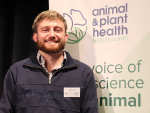
George Dodson on Efficiency and Low-Cost Dairy Farming
Efficiency is the big one because it tracks back into what is done on farm.




 increase font size
 Jo-Anne Stokes
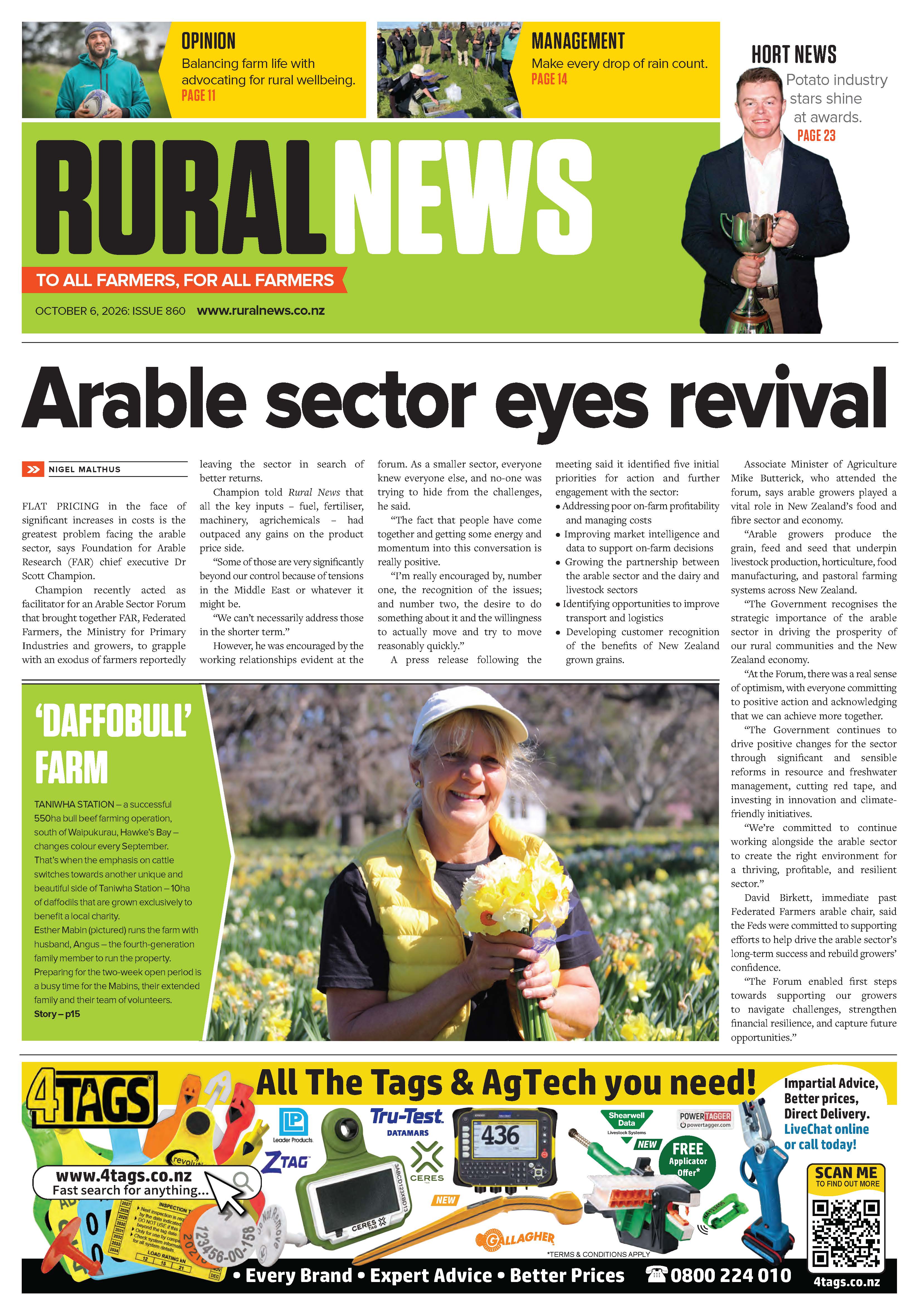
 has been appointed as Animal and Plant Health NZ’s new technical adviser – crop protection.
The role will see Stokes help Animal and Plant Health NZ members tackle the hurdles associated with bringing innovative solutions to New Zealand to manage pests and diseases.
Stokes derived an appreciation for these tools in her biosecurity role for the Ministry for Primary Industries (MPI), where she managed treatments for pests and diseases intercepted at the border.
“It is vital for Aotearoa to have the most effective options for managing 15,000 pests and diseases considered direct threats to our economy, environment and way of life,” she says.
“I’ve seen first-hand what can happen when an unwelcome pest or disease invades our country,” she says.
Climate change and resistance to treatments will likely see these threats evolve.
“Animal and Plant Health members play a vital role in managing pests and protecting our food security. I am excited to be helping them navigate complex regulatory requirements as they develop innovative solutions for protecting New Zealand’s land-based economies – now and for the future”.
In her 14 years with MPI, Stokes was instrumental in developing a programme to ensure imports are treated before arriving on New Zealand’s shores, as well as meeting requirements for exporting goods.
Before that, she held technical and policy-based roles at Federated Farmers and Rural Women NZ.
She is no stranger to getting her gumboots dirty – having managed farming operations in dairy, beef and horticulture locally and overseas.
. Her combined background has taught her that “there aren't enough tools to eradicate pests and diseases to protect our whenua for the next generation".
Efficiency is the big one because it tracks back into what is done on farm.

Animal and Plant Health New Zealand (APHANZ) says the approval of a new fungicide seed treatment is a positive, however growers will be hoping the final approval is completed ahead of the spring season.
With an amendment to the Medicines Act proposing human medicines could be approved in 30 days if the product has approval from two recognised overseas jurisdictions, there’s a call for a similar approach where possible to be applied to some animal medicines.
Animal and Plant Health Association NZ says it welcomes a review of regulations "hampering NZ agriculture's ability to keep pace with the rest of the world".
OPINION: The agricultural sector is facing a crisis, with forecasts for registering innovative animal and crop health products hitting an all-time low.


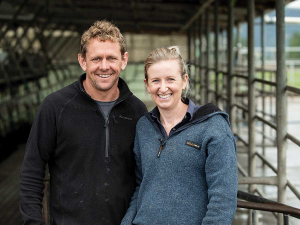
In farming there are external factors that can influence behaviour of a whole herd, such as a bad weather event, triggering false positive heat detections or health attentions.
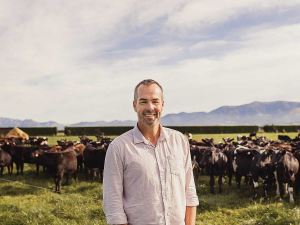
For Canterbury dairy farmer Cameron Henderson, supporting Meet the Need comes down to a simple question: how can the success of New Zealand farming benefit more than just those within the industry?
Fonterra board members are in line for a pay rise of around 3%.
Dairy processors are ready to further boost New Zealand’s export earnings but want the incoming government to match their ambition with good policy.
Massey University is best placed to solve the “problems” facing the dairy industry, says vice chancellor, Pierre Venter.
Synlait's longest serving employee – a man who joined the Canterbury-based milk processor even before it began processing milk – is now its newest executive.



OPINION: The same mainstream media muppets that brought you Jacindamania in 2017 have been flat out pimping for the Opportunities…
OPINION: Your old mate reckons the atrocious way farmers in the UK are treated by their lords and masters in…