Leaky waka
OPINION: Was the ASB Economic Weekly throwing shade on Reserve Bank governor Adrian Orr when reporting on his speech in Washington recently?




 increase font size
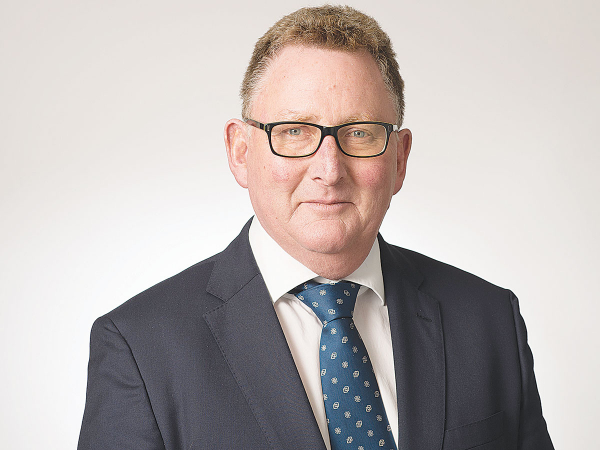 Reserve Bank Governor Adrian Orr.
The Reserve Bank is defending its decision to hike interest rates, which is piling more cost pressures on the farming community.
A RBNZ spokesperson told Rural News that the bank understands that higher interest rates add another cost to farmers repaying debt. This is also likely to lead to a higher exchange rate than otherwise, which will reduce exporters’ returns.
“However, higher interest rates now will lead to lower general inflation in the future,” he says.
The bank notes that high and variable inflation makes it harder for businesses and households to plan and to know where best to direct any investment.
“Unexpected changes in inflation also arbitrarily affect relative outcomes for savers and borrowers throughout New Zealand.
“The higher cost of living is particularly challenging for people earning low or fixed incomes, as it erodes purchasing power and is essentially a pay cut and a tax on savings.
“Given the economic costs of inflation, the best contribution monetary policy can make to the New Zealand economy is to ensure inflation returns to being low and stable.
“In addition, holding interest rates lower today may mean that interest rates need to be increased even further in the future to control inflation.”
Speaking at the NZ Economics Forum at University of Waikato this month, Reserve Bank Governor Adrian Orr noted that its monetary policy tools are limited. He says there are long and uncertain lags between what they do with interest rates and the inflation outcomes.
Meanwhile, economic shocks are just that, Orr added.
“For example, in my short time as Governor of the Reserve Bank we have endured Covid-19, the impact of Russia’s invasion of Ukraine, and now the severe weather events impacting many parts of the North Island.
“These events have led to historically significant fluctuations in output, employment, and inflation. RBNZ does not determine the economic context we operate in.
“Instead, we react to the economic context with a clear purpose – aiming for price stability – thus building on a reputation for delivering low and stable inflation expectations.”
Orr says RBNZ is tacking into the inflation headwinds right now by raising interest rates at times of severe capacity constraints in the economy and high inflation.
Recently, the Official Cash Rate was raised from 4.25% to 4.75%. Orr says the OCR still needs to increase.
“While there are early signs of price pressures easing, core consumer price inflation remains too high, employment is still beyond its maximum sustainable level, and near-term inflation expectations remain elevated. Low and stable inflation is a necessary outcome for economic wellbeing in the longer term. Inflation is no one’s friend. Inflation makes people poorer.”
OPINION: Was the ASB Economic Weekly throwing shade on Reserve Bank governor Adrian Orr when reporting on his speech in Washington recently?

OPINION: The Reserve Bank’s rate cut is great news, albeit a bit late, but your old mate agrees with Act leader David Seymour that the cut – with more to come – is a “multi-billion dollar mea culpa” by the RBNZ.
OPINION: While Reserve Bank boss Adrian Orr is sticking to his 'abundance of caution' messaging, the economy is in tatters and the jungle drums beat ever louder for an OCR cut no later than November (to be clear, that's Nov 2024, not 2025!).
OPINION: If ever there was a need to look at rural bank lending, then this is it.
What will the Reserve Bank do with interest rates, when will the Chinese economy recover and will the geopolitical situation in the world get better or worse?


OPINION: Farmers around the country are welcoming the proposed reform of local government.
A move to boost farmer uptake of low methane emitting sheep is underway.
Silver Fern Farms has tackled the ongoing war-induced shipping challenges to mideast markets by airlifting 90 tonnes of chilled New Zealand lamb and beef to the United Arab Emirates.
The primary sector is leading New Zealand's economic recovery, according to economist and researcher Cameron Bagrie.
Dairy industry leader Jim van der Poel didn't make much of the invitation he received to the recent New Zealand Dairy Industry Awards in Rotorua.
Farmers around the country are going public big time, demanding their local district, city and regional councils come up with amalgamation plans that meet the needs of rural communities and don't allow urban councils to dominate.




OPINION: The old saying 'a new broom sweeps clean' doesn't always hold up, if you ask the Hound.
OPINION: This old mutt went to school to eat his lunch, but still knows the future of the country, and…