
Why Now Is the Time to Plan Farm Succession, Findex Says
OPINION: Succession and long-term planning are perennial topics because it is perpetually sidelined on busy farms.




 increase font size
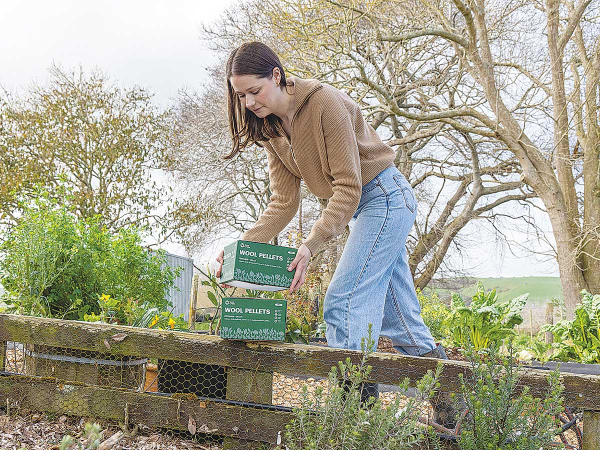 Jessica White says Cozy Crops makes the most out of their sheep and ensures that nothing they produce goes to waste.
With wool prices steadily declining and shearing costs on the rise, a Waikato couple began looking for a solution for wool from their 80ha farm.
Kieran and Jessica White found that while they sold some of their wool, a lot of the daggy-wool and the lower quality wool wasn't getting used and would often end up in landfill.
So about six months ago the couple launched Cozy Crops, producing 100% wool pellets as fertiliser and mulch for plants.
Jessica describes Cozy Crops as "an innovative new gardening product helping Kiwis cultivate fertile, hydrated soil for healthy, productive gardens".
She says the feedback from users and retail stockists has been phenomenal. "I believe our product and story aligns well with the values of supporting NZ made natural gardening products," she told Rural News.
"As a nutritionist, knowing where my food comes from and how it's grown is so important. Our product allows anyone to cultivate fertile, hydrated gardens so they can produce more of their own food that's free from artificial fertilisers and pesticides."
Jessica says Cozy Crops was born out of the desire to make the most out of their sheep and make sure nothing they produce goes to waste.
"We also like that by putting the wool back into the ground we are keeping the nutrients and the carbon in the earth.
"The benefits of wool as a textile are well known, but little thought has been given to the low-quality wool produced in New Zealand.
"The fact of the matter is that not all sheep are producing top quality wool that can be used for clothing, but they still need to be shorn, so there is always going to be a wool by-product. Rather than letting this wool go to waste we have decided to utilise it to help Kiwis grow better, healthier crops in their own gardens."
Jessica adds that the wool pellets act as both a mulch and a fertiliser.
The wool pellets help deter slugs and snails, suppress weed growth, reduce soil water loss, and provide nutrition and structure to the soil.
She says Cozy Crops wool pellets provide a range of benefits for both plants and the environment.
"These pellets are an all-natural fertiliser with a slow-release nutrient profile, making them suitable for most plant and soil types," she says.
"The pellets also retain water, reducing the need for frequent watering and keeping soil hydrated in dry conditions, saving up to 25% in water usage. The rough texture of the wool effectively deters pests like slugs and snails, ensuring a pet-safe solution to garden pests.
"Additionally, Cozy Crops wool pellets serve as a powerful mulch, suppressing weeds and preserving soil moisture for months. As a result, they make gardening more efficient, healthier, and more productive, all while supporting New Zealand's wool industry."
OPINION: Succession and long-term planning are perennial topics because it is perpetually sidelined on busy farms.
More signs of a booming kiwifruit sector.
New Zealand wool is reaching new heights as air filtration companies move away from synthetic products to biodegradable alternatives.
Chinese beef trade quotas and a looming suspension of Brazilian beef imports into the European Union are expected to reshape global beef trade flows over the remainder of 2026, with implications for New Zealand exporters, according to Rabobank's Q3 Global Beef Quarterly report.
Will a stronger, more coordinated voice help rebuild confidence and improve returns in the wool sector?



Now in its fourth year, the 2026 Fencing Industry Awards, formed part of the proceedings of the FCANZ Conference, held in Nelson during August.
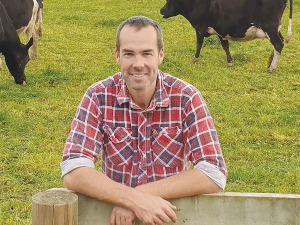
DairyNZ deputy chair Cameron Henderson has been re-appointed unopposed for another term.
OPINION: The stats speak for themselves.
Farms across the upper North Island are trialling different pasture mixes as part of a research programme that aims to build greater resilience into farming systems.
Election years are always a concerning time for farmers, according to DairyNZ chair Tracy Brown.
The Ballance Farm Environment Awards are coming to the West Coast of the South Island.



OPINION: The same mainstream media muppets that brought you Jacindamania in 2017 have been flat out pimping for the Opportunities…
OPINION: Your old mate reckons the atrocious way farmers in the UK are treated by their lords and masters in…