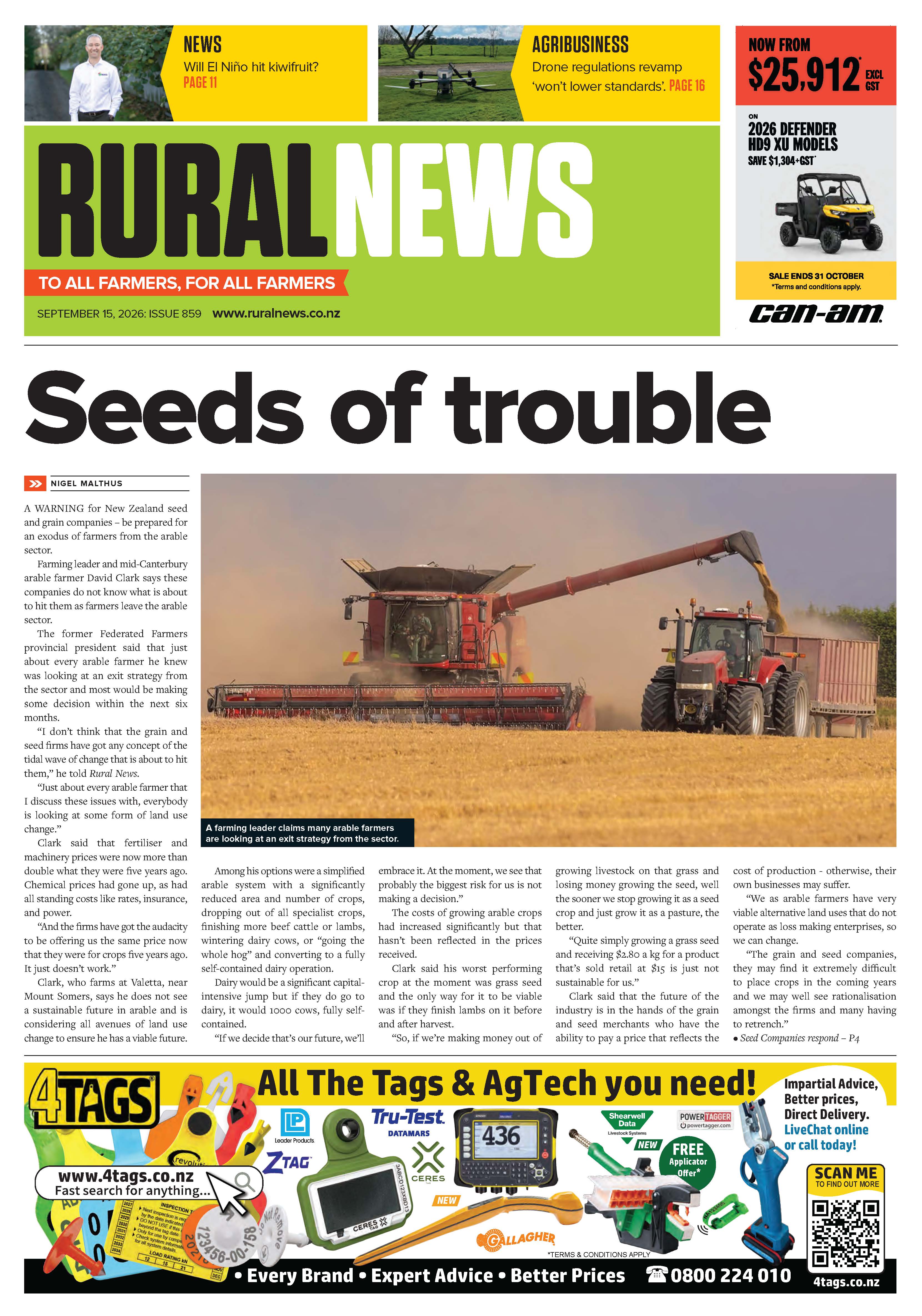
Beef + Lamb NZ's Lambing Kit Checklist for a Tough Season
With lambing underway in many regions, Beef + Lamb New Zealand is encouraging farmers to put together a wellequipped lambing kit to help minimise lamb losses, particularly in bad weather.




 increase font size
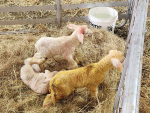
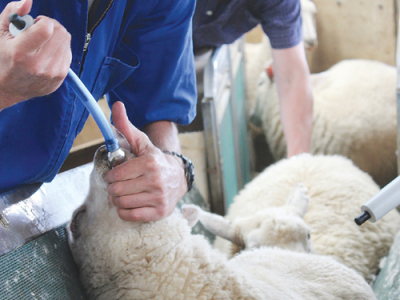 Good prospects for sheepmeat make it worth spending money on flock health.
Rising prospects for sheepmeat make it worth spending money on flock health, says animal health company Boehringer Ingelheim.
It markets Bionic long-acting worm killing capsules, now in their twelfth year.
“These are a viable option for farmers working to capitalise on ewe health and good feed supplies heading into the lambing season,” says Richard Sides, Boehringer Ingelheim technical veterinarian.
“Farmers, veterinarians and researchers have amassed lots of trial and field evidence that shows the long-acting, twin-active Bionic capsules can play a valuable role in ewe health.”
He says the combination of the product’s two key actives abamectin and albendazole into a tablet form represent the single most significant development in the capsule’s technology.
With a focus on using drenches responsibly and delaying the risk of resistance developing, vets are recommending a targeted approach to using Bionic, i.e. administering capsules to the more vulnerable stock classes within a flock.
Sides says one approach may be to target in-lamb hoggets and twin-bearing ewes to boost their immune response to parasite loadings at one of their most stressful times of year.
“The evidence is that they tend to have better condition score, fewer dags and heavier lambs,” he says.
And Sides reckons high country farmers, who have less control over feed supply to pregnant ewes and face more extreme weather, may also opt for the capsules.
Recent trial work in ewes (not selected for condition-score) has shown Bionic treated ewes were 3.2kg heavier on average at weaning and gave an average 3.1kg more lamb liveweight weaned per treated ewe.
The addition of cobalt also maximises the amount of vitamin B12 produced by the ewe, and in turn fed to the lamb via her milk. The selenium dose in the capsule is sufficient to last for up to 250 days.
Boehringer Ingelheim claims the addition of cobalt and selenium to Bionic has also benefitted clients’ flock health.
“A lamb can only receive cobalt from three sources – foetal supply, colostrum and on-going milk supply,” the company explains. “A cobalt treated ewe therefore assures a lamb’s supply is also good through to as late as March.”
Sides says responsible use of Bionic can include identifying “refugia” animals in the flock that do not get treated, helping maintain a reservoir of untreated parasites within the farm population.
“Faecal egg counts 60-80 days post treatment also help ensure there is no egg leakage post-treatment.”
He recommends that farmers talk to their vet, compiling a comprehensive, considered worm control programme that covers any resistance risk, and also incorporating the latest in worm control technology.
“Bionic comes with a history of development and innovation, with NZ farmers’ needs in mind, backed with sound science and the support of livestock veterinarians,” Sides adds.
With lambing underway in many regions, Beef + Lamb New Zealand is encouraging farmers to put together a wellequipped lambing kit to help minimise lamb losses, particularly in bad weather.
Will a stronger, more coordinated voice help rebuild confidence and improve returns in the wool sector?
The vineyards at Pyramid Farm in Marlborough’s Avon Valley have never been run of the mill, with plantings that follow the natural contours of the land, 250 metres above sea level.
Sheep and cattle numbers continue to decline, and this year's drought hasn't helped, according to Beef + Lamb New Zealand (B+LNZ).
High quality feed, reduced stocking rates and shelter will all help enhance triplet lamb survival and ultimately benefit the bottom line.


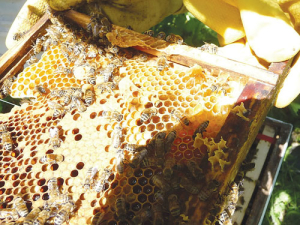
New Plymouth-based Manuka honey exporter Egmont Honey has completed its acquisition of Taihape beekeeping business Tweeddale's Honey, with settlement finalised on Friday, 18 September.

Westpac NZ is calling on farmers and growers to start preparing now for the possibility of a dry summer, as likely El Niño conditions raise the risk of drought across parts of the country.
Fonterra Co-operative Group has confirmed the independently assessed candidates standing for election to its board in 2026.
Fonterra has revised its Farmgate Milk Price forecast for the 2026/27 season, lifting the midpoint and narrowing the range on the back of improving global dairy commodity prices.
New Zealand's citrus growers were challenged to build their future on the value embedded in their fruit rather than the volume they produce, at Citrus New Zealand's annual gathering in Gisborne on 17 September.
Leading John Deere technicians and apprentices from New Zealand and Australians were recognised at the recent sixth annual JD Technician of the Year Awards, held in Brisbane.




OPINION: The same mainstream media muppets that brought you Jacindamania in 2017 have been flat out pimping for the Opportunities…
OPINION: Your old mate reckons the atrocious way farmers in the UK are treated by their lords and masters in…