Can Drones Destroy Hornet Nests?
Will drones be the answer to tackling the problem of wasp and hornet nests high up in trees and other inaccessible places?




 increase font size
 Ministers Nathan Guy, Jo Goodhew and Steven Joyce attended cutting the birthday cake.
MPI celebrates 20 years since the birth of its biosecurity detector dog programme with a giant cake at the Christchurch A&P Show today.
The birthday event took place 10am at the MPI stand. Ministers Nathan Guy, Jo Goodhew and Steven Joyce attended, along with two biosecurity detector dogs.
MPI purchased the first beagles in 1995. Two of them started at Auckland airport soon after.
"Detector dogs have proven themselves as a very effective biosecurity tool for keeping New Zealand free of pests and diseases potentially carried by arriving international passengers and mail," says MPI border clearance director Steve Gilbert.
"They can pick up seeds and plants that can be hard to detect by x-ray. They also screen people faster than x-ray, and their visual presence sends a message to arriving passengers about how seriously New Zealand takes biosecurity."
He says 2015 is a big year for the MPI detector dog programme.
"We're gearing up with extra detector dog power for a busy summer – both in terms of passenger numbers and the heightened risk of fruit fly, due to outbreaks in Australia and other parts of the Pacific.
"We will have 24 new dog teams graduate from their training in December. This will be the largest number of dog teams to graduate at any one time in the history of MPI or its predecessors.
"The new detector dog capacity will allow us to screen all international flights arriving in New Zealand. So we've come a long way since our humble beginnings in Auckland 20 years ago."
Will drones be the answer to tackling the problem of wasp and hornet nests high up in trees and other inaccessible places?
New Zealand’s red meat sector has welcomed the India-New Zealand Free Trade Agreement taking effect, which removes India’s 33% tariff on New Zealand sheepmeat.
New Zealand's role is not to compete with Indian growers, according to NZ Apples and Pears.
The red meat sector is in great heart.
Bovine Viral Diarrhoea (BVD) is sometimes viewed as a dairy industry issue, but the reality is that the disease can have serious consequences for beef breeding herds as well.

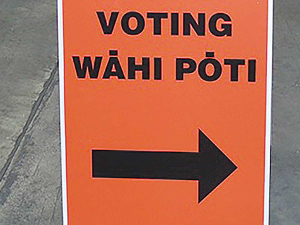
OPINION: As election day looms, rural NZ seems to have pressed the pause button – held somewhat in limbo on an orange light.
Will drones be the answer to tackling the problem of wasp and hornet nests high up in trees and other inaccessible places?
Canterbury milk processor Synlait has come through tough times and is now ready to scale up from a stable base, says its newly confirmed CEO Leon Fung.
NZPork says a ham made in New Zealand is not necessarily made from New Zealand pork.
Rural Contractors NZ says proposed changes to land transport rules for agricultural vehicles are a welcome response by the Government to out-of-date regulations which have seen members hit with huge fines.
With New Zealand’s greenhouse gas emissions in the spotlight, Auckland scientist Nathan Balasingham says there’s a better way to tackle the problem than shrinking cow numbers or fertiliser usage.


OPINION: The same mainstream media muppets that brought you Jacindamania in 2017 have been flat out pimping for the Opportunities…
OPINION: Your old mate reckons the atrocious way farmers in the UK are treated by their lords and masters in…