Rural Contractors to Support New Farm Plastics Scheme
Rural contractors will be able to play a role in the revamped agricultural plastic recycling scheme with new regulations due for Cabinet signoff before this year’s election.




 increase font size
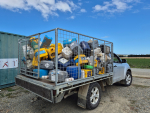
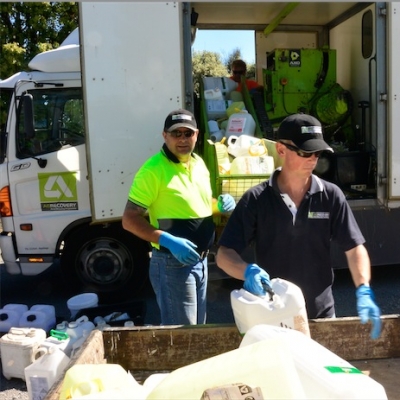 Agrecovery container collection site
Agrecovery is reminding farmers of its free waste collection sites where plastics and other farm waste can be disposed as an alternative to burning or dumping.
The reminder comes after the release of a study into rural waste showed that many North Island farmers are still burning or burying waste plastics, despite the availability of collection sites and services.
The study, commissioned by Bay of Plenty and Waikato Regional Councils, surveyed 69 properties and recorded 2,564 tonnes of rural waste with an average 37 tonnes generated per property each year.
The waste in the BOP and Waikato study ranged from various types of plastics, scrap metal, timber and fence posts to glass, batteries, construction and demolition material and domestic refuse. Many property owners dealt with it by burying, burning or bulk storing it on site.
However, the not-for-profit Agrecovery say there is a better solution to the problem. With more than 70 collection sites at several accessible locations across rural New Zealand and regular collection events or on-property collection for large users, farmers should look at recycling their waste instead.
“Thanks to a commitment to good product stewardship by manufacturers and distributors, farmers can recycle their empty plastic containers from more than 3,000 commonly used products for free. This eliminates the need for unsustainable practices such as burning or dumping,” says Graeme Peters, chair of the Agrecovery Foundation.
In Canterbury, a similar study in 2013 reported comparable results to those found in BOP and Waikato. With 53 farms surveyed, the study found that overall waste generated by Canterbury farms was around 209,000t each year, roughly equal to the amount going to landfill from Christchurch city in 2012-13. According to the report, the bulk of that waste (92%) is either buried, burned, or bulked stored over the year.
“Since their report was released in 2013, Environment Canterbury introduced a ban on burning agricultural plastics. We believe this was responsible for the 113% increase we experienced in container recycling in the Canterbury region in the first six months following the ban, compared to the same period in 2013,” says Peters.
“It proves that farmers will increase their use of sustainable disposal methods with the right combination of incentives in place, such as bans and free recycling.”
Agrecovery offers recycling and recovery programmes for plastic containers, drums and unwanted or expired chemicals. Nearly 10,000 farmers and growers use the programme.
For more information visit the Agrecovery website www.agrecovery.co.nz
Rural contractors will be able to play a role in the revamped agricultural plastic recycling scheme with new regulations due for Cabinet signoff before this year’s election.
Rural recycling scheme Agrecovery is welcoming the Government's approval of regulations for a nationwide rural recycling scheme for agrichemicals and farm plastics.
New waste management rules in Marlborough will add impetus to recycling efforts by the wine industry, says Circular Wine Group member Jim White.
After five years giving a new lease of life to vineyard posts, Marlborough-based company Repost is getting its own upcycle, in a joint venture with timber manufacturer OneForty One, which mills micronised copper azoleated (MCA) posts at its Kaituna Mill.
Having already hit the headlines for recycling broken 2.4 metre vineyard posts into 1.8 and 1.6 metre, half and quarter posts for agriculture, Repost recently hit the milestone of one million posts recycled, diverting the CCA treated posts from landfill.



Healthy snacking company Rockit has announced Wang Yibo, one of China's most influential celebrities, as its new brand ambassador.
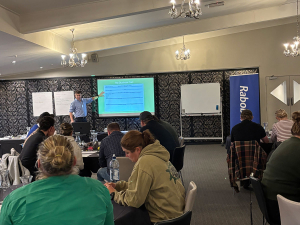
Rabobank has celebrated the tenth anniversary of its AgPathways Programme, with 23 farmers from Otago and Southland gathering for two-and-a-half days to learn new business management and planning skills.
Adopting strategies to reduce worm burden on farm goes hand-in--hand with best practice farm management practices to optimise stock production and performance, veterinarian Andrew Roe says.
Last night saw the winners of the 2026 Beef + Lamb New Zealand (B+LNZ) Awards named at a gala dinner at Te Pae Christchurch Convention Centre.
A 12-month pathway programme has helped kickstart a career in dairy for an 18-year-old student-turned-farmer.
Zespri says its global fruit sales revenue has reached a record NZ$5.9 billion from sales of 248.1 million trays.




OPINION: The old saying 'a new broom sweeps clean' doesn't always hold up, if you ask the Hound.
OPINION: This old mutt went to school to eat his lunch, but still knows the future of the country, and…