LIC Chief Says BVD Eradication in NZ Is Within Reach
A dairy industry leader believes eradicating the common and costly disease, Bovine Viral Diarrhoea (BVD) is within reach.




 increase font size
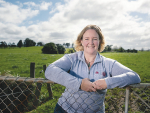
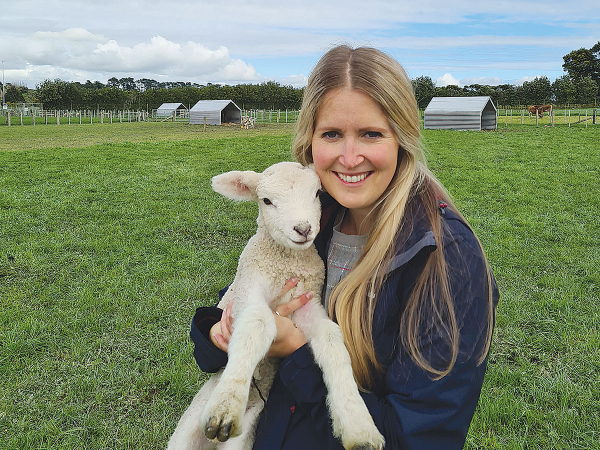 AgResearch scientist Melissa Hempstead says they found that anthelmintic products in ewes affected lamb development.
AgResearch scientists have collected the first known data showing behavioural developmental impacts on lambs whose mothers were treated with long-acting drugs for parasites.
Against a backdrop of increasing resistance among livestock internal parasites to commonly used drenches in New Zealand, the scientists set out to look at what effects of anthelmintic use may be passed from the treated ewe to her lambs.
Treatment of pregnant ewes with persistent macrocylic lactone anthelmintic products is common in some countries, including New Zealand, with the intent of reducing negative impacts of parasites on production, health and welfare.
"What we found was evidence in some cases of delayed neonatal lamb behaviour associated with anthelmintic use in the mother, which is the first time we know of this being recorded," says AgResearch scientist Melissa Hempstead.
"Now we need to do further research to build on these initial observations, and to help understand what the implications are for the survival and performance of these lambs from the neonatal stage."
In an experiment set up by Hempstead and her colleagues, sixty mixed-age pregnant twin-bearing ewes were split equally into three groups with different treatments: moxidectin 2-3 weeks prior to lambing, abamectin and albendazole 2-3 weeks prior to lambing, or a control group with no drug administered.
The ewes were housed indoors four weeks before they were expected to give birth and behaviour of both ewes and lambs was monitored using video cameras. Ewe and lamb behaviour was evaluated for three hours after the birth.
"There was no evidence that abamectin and albenzadole affected ewe or lamb behaviour," Hempstead says.
"However, we found that neonatal lambs from ewes administered moxidectin tended to be slower to shake their heads after birth and were slower to attempt to stand compared with lambs from untreated ewes."
This latest research builds on efforts by AgResearch's Parasitology Team to support farmers and industries grappling with the challenge of managing internal parasites in livestock, and how best to address it.
Rising resistance to drug treatments means that other management practices need to be considered and investigated by researchers.
Read more about the lamb behaviour research at: https://www.sciencedirect.com/science/article/pii/S0168159125000528
A dairy industry leader believes eradicating the common and costly disease, Bovine Viral Diarrhoea (BVD) is within reach.
Farmers with high-quality feed available in late spring could consider weaning at least a proportion of their lamb crop early to benefit both lambs and ewes.
The first major update to the Dairy Cattle Code of Welfare in more than a decade has been released, marking what DairyNZ describes as an important step in ensuring animal welfare standards continue to evolve alongside scientific evidence and on-farm realities.
Bovine Viral Diarrhoea (BVD) is sometimes viewed as a dairy industry issue, but the reality is that the disease can have serious consequences for beef breeding herds as well.
Animal health company Bovonic is gearing up for its next stage of growth after increasing New Zealand sales of QuadSense by more than 50% in the last 12 months, including a record quarter for the business this year.


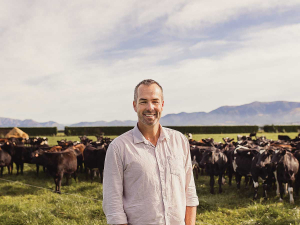
For Canterbury dairy farmer Cameron Henderson, supporting Meet the Need comes down to a simple question: how can the success of New Zealand farming benefit more than just those within the industry?
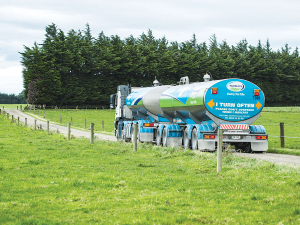
Fonterra board members are in line for a pay rise of around 3%.
Dairy processors are ready to further boost New Zealand’s export earnings but want the incoming government to match their ambition with good policy.
Massey University is best placed to solve the “problems” facing the dairy industry, says vice chancellor, Pierre Venter.
Synlait's longest serving employee – a man who joined the Canterbury-based milk processor even before it began processing milk – is now its newest executive.
A dairy industry leader believes eradicating the common and costly disease, Bovine Viral Diarrhoea (BVD) is within reach.




OPINION: The same mainstream media muppets that brought you Jacindamania in 2017 have been flat out pimping for the Opportunities…
OPINION: Your old mate reckons the atrocious way farmers in the UK are treated by their lords and masters in…




