Scaled-back show meets targets
Organisers of the Christchurch A&P show say they are happy with this year’s event despite a rushed turnaround that left agricultural industry support thin on the ground.




 increase font size
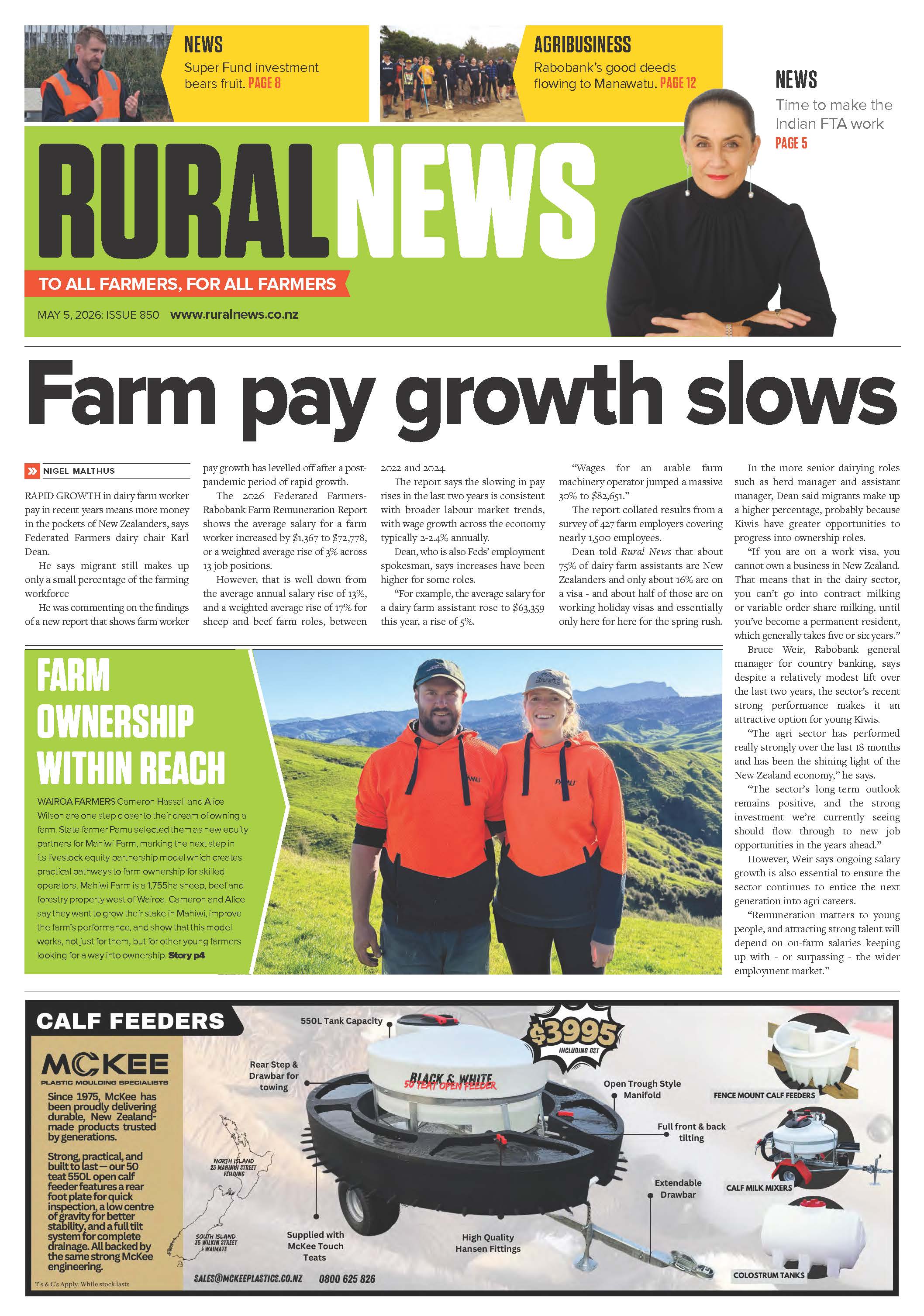
 Angus Moore, winner of last year’s New Zealand Corriedale Championships at the New Zealand Agricultural Show.
Competitive shearing is about to be boosted with the launch of a new competition, The Southern Series.
The series starts on Friday November 11th at the New Zealand Agricultural Show in Christchurch.
The Southern Series would “take the extreme sport of sheep-shearing to a global audience,” increasing prize-money and helping to promote wool as a sustainable, natural fibre, event manager Hugh de Lacy Senior says.
“Not only will competitive shearers benefit financially from hugely increased recognition as supreme athletes, but the global exposure will highlight the relevance of wool in the battle against climate change, by reducing or eliminating the immense damage done to the environment by oilderived fibres,” de Lacy says.
Over the next two years, The Southern Series would be expanded first into a tour of New Zealand competitions, and then into a global tour taking in shows in Europe, North America and Australasia, beamed out live on television to potentially millions of viewers world-wide.
“It takes a good ten years of year-round work for a shearer to rise from learner to the point where they’re competitive at the highest level – and there are no short-cuts," de Lacy says.
“The physical exertion in shearing has been measured at the equivalent of running at 7km an hour, and shearers do it for eight or nine hours a day for as many days in a row as there are dry sheep to shear.”
All this effort is condensed into 20 thrilling minutes of a shearing competition final where the race was on to minimise the stress to the sheep by relieving it of its fleece in the shortest possible time with the least discomfort for the sheep.
No other sport demands such extreme training, and shearers are usually in their early-tomid thirties before they begin making it into the six-man finals.
Top shearers were relishing the opportunity to test their skills on The Southern Series platform, de Lacy says.
Angus Moore, winner of last year’s New Zealand Corriedale Championships at the New Zealand Agricultural Show, says shearing and woolhandling in general was becoming more professional in all sorts of ways.
The best of them worked around New Zealand and around the world so an event like The Southern Series was another way of recognising a job well done.
The series would help to make it more financially viable to compete at the highest level.
Even a Senior-grade competitive shearer could be making between $700- $1,000 a day in commercial shearing “and they take a day off to go to shearing show and it can hit them in the pocket, especially as only one guy can come first and that’s where the prize money is at”.
Still, Moore loves the thrill of performing.
“Getting that firstplaced ribbon is pretty cool,” he says.
Scotsman Gavin Mutch, winner of the recent Waimate Spring Shears, is equally passionate. “Competitions, that’s my hobby, my sport and I just compete because I love it,” he says.
He’s looking forward to shearing Corriedales at the New Zealand Agricultural Show.
“I’m from Scotland so it’s coarse wool that I grew up with, so for me to shear fine wool sheep is out of my comfort zone a little bit.”
Organisers of the Christchurch A&P show say they are happy with this year’s event despite a rushed turnaround that left agricultural industry support thin on the ground.
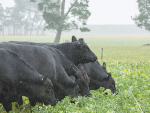
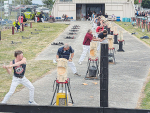
Forage brassica crops provide an excellent source of energy and protein for grazing livestock at critical times of the year when the quantity and quality of pasture on offer is limiting livestock production.
It was bringing in a new Canterbury A&P Association (CAPA) show board, more in tune with the CAPA general committee, that has ensured that Christchurch will have a show this year, says CAPA general committee president Bryce Murray.
A love of animal fleece is the driver for Anne Rogers who is this year’s President of the Canterbury A&P’s New Zealand Agricultural Show.
A renewed emphasis on how farm produce makes it from the paddock to the consumer will be a feature of the 2023 New Zealand Agricultural Show.


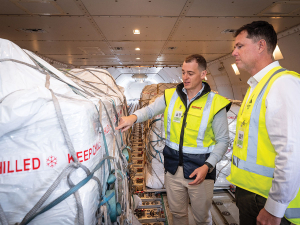
Silver Fern Farms has tackled the ongoing war-induced shipping challenges to mideast markets by airlifting 90 tonnes of chilled New Zealand lamb and beef to the United Arab Emirates.

The primary sector is leading New Zealand's economic recovery, according to economist and researcher Cameron Bagrie.
Dairy industry leader Jim van der Poel didn't make much of the invitation he received to the recent New Zealand Dairy Industry Awards in Rotorua.
Farmers around the country are going public big time, demanding their local district, city and regional councils come up with amalgamation plans that meet the needs of rural communities and don't allow urban councils to dominate.
The battle for the rural vote is on and parties are securing high profile names to try and bolster their chances at the general election.
Horticulture New Zealand says proposed changes to the Plant Variety Rights Act 2022 will drive innovation, investment and long-term productivity.





OPINION: It's been an eye-opener watching the big media companies behaving exactly like the powers-that-be who the crusading hacks from…
OPINION: Town and country find themselves on the same page when it comes to anger over price hikes from NZ…