Consumers in the future may want produce that they perceive is designed especially for them.
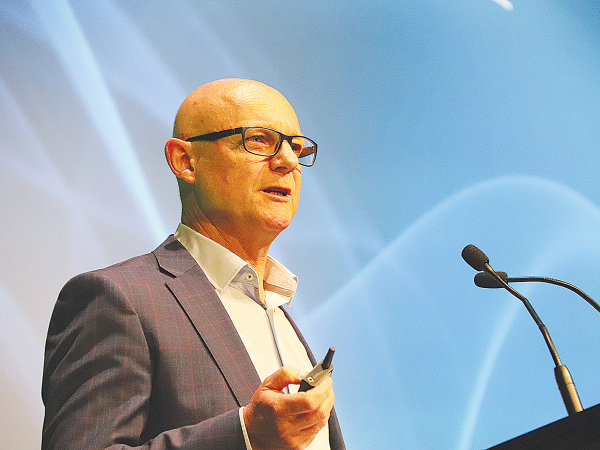
That's the message from Ministry for Primary Industries (MPI) director general Ray Smith who says by 2050 customers will have more diverse preferences than they do now and NZ has to keep pace with such trends. He believes that while consumers are interested in where their produce comes from, they are also looking to determine whether these have low carbon footprints.
Smith points to a report recently published by MPI, which says that new demand pathways for consumers will be around whether food is locally produced, sent directly to them, is back to nature and those who want a 'food experience'. He says there is also an interest in organically produced food products.
The report says that while NZ has a reputation as a safe and trusted provider of food products, by 2050 that may not be enough on its own. It adds that by then animal and people welfare issues may well be core needs - along with food sovereignty.
In terms of future markets, the report says the balance between NZ's traditional markets and growth markets in Asia - such as India - will likely need to change. The report also raises the issue of people's concern about their health and a focus on a healthy diet as being a means to reduce pressure on health systems.
The report highlights the need for NZ to develop strong 'origin' stories that will resonate with consumers.
"There is a big shift in consumer preferences that we need to be aware of given that we are such a big food producing nation," Smith says.
He believes, in terms of locally produced food, that people are looking at new ways of growing food closer to consumers and this includes factory style, multi-layered indoor growing systems. Smith claims consumers are looking for products that are close to them and are seeing those that are imported are more likely to be processed food.
He adds that that the challenge for NZ is to reduce our emissions profile all the way from the farm through to market. He says part of this will involve shipping companies coming to terms about how they deal with emissions.
Smith says a focus on science to reduce emissions is paramount and, as part of this, NZ will be collaborating with countries facing similar issues, such as Ireland, which is a major exporter of food products. "In the end, I think with the work we are doing we will get there and get there before anyone else."