Since the cyclone hit in February 2023, almost 270 businesses in Northland and Hawke's Bay have borrowed over $50 million in low interest Business Regrowth Loans from the bank.
The sum is in addition to the $260 million ANZ has lent to over 90 businesses as part of the North Island Weather Events Loan Guarantee Scheme.
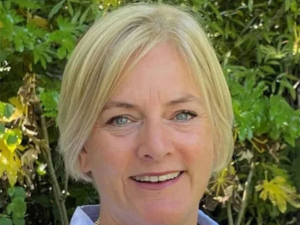
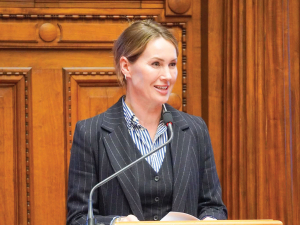
"It's a testament to the kind of businesses we have in our region - resilient and absolutely determined to success, even when they're up against it," says ANZ New Zealand chief executive Antonia Watson.
"Our low interest Business Regrowth Loan has helped remove some of the cost barriers that can delay investment, and this has given businesses the confidence they needed to rebuild."
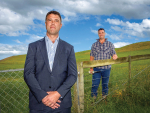
Hillside Honey, headquartered in Maungaturoto, 45 kilometres south of Whangarei, was among those which took up the loan.
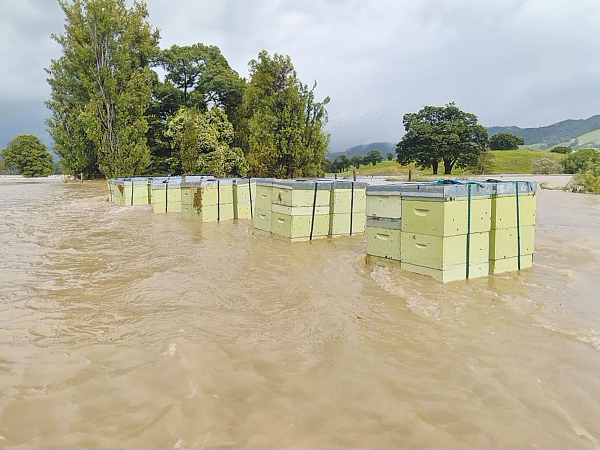
When the cyclone's fast-rising floodwaters and storm tide hit, owner Benji Raumaewa had to act quickly to try to save the 200 hives he had on a nearby site.
"The water was coming first, rising up through the creek, and by the time we got there it was knee-deep," he says.
"It was too late - water had gone right through the hives and washed quite a few away. The honey was contaminated - so that was gone - but we also lost the future production from those hives."
His tractor was also washed into the floodwaters, destroying the engine - a "really rough" setback to the business which Raumaewa had built up from almost nothing.
"When we started out in 2015, I had ten beehives, an old rusty Hilux and we were working out of the garage at home - we had grown that to about a thousand hives."
In response to the damage and loss of hives, Hillside Honey took out a low interest ANZ Business Regrowth Loan.
Raumaewa used the funds to build hive numbers, while also making the processing plant more resilient to extreme weather.
 |
|---|
|
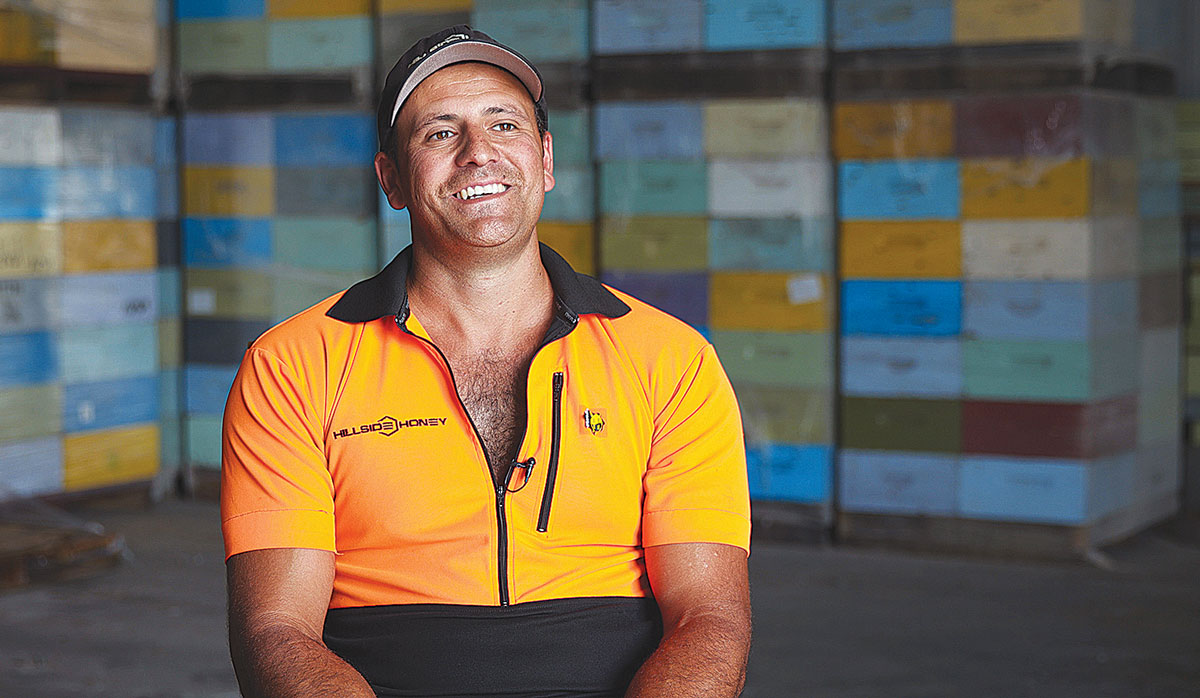
Benji Raumaewa |
"To do that I knew we'd require some additional funding so we could continue on the next season," Raumaewa says.
"We were driving a forklift through the mud and it was a nightmare trying to get the honey loaded when it was raining.
"We did a little bit of concrete work and some work on the buildings, which helps us to be more self-reliant and resilient."
For Raumaewa and his team, the investment's benefits have been immediate.
"We're pushing more boxes through the extraction plant each day, and we're finding that production has gone up, and that's making us more profitable," he says.
"Getting that additional lending when we did has helped set us up for the future."
With the honey industry aiming to double honey exports by 2030 - to be worth more than $1 billion a year - Raumaewa is determined Hillside Honey will be part of the action.
Cuts to manuka honey imports tariffs, the result of the NZ-EU Free Trade Agreement coming into force on May 1st, will immediately boost the manuka honey industry by $3.5 million dollars a year.
"We sell some of the finest natural products to the world, so we should be doing everything we can to support our producers and exporters to help them get ahead," Antonia says.
Although Hillside Honey currently sells most of its honey in bulk to exporters, Raumaewa is exploring the idea of packing and exporting honey under its own brand.
"You can't find this honey anywhere else in the world and that's something that's really special to New Zealand.
"Someday I want to be able to fly in somewhere overseas and see Hillside Honey on the shelves - that's always been a dream of mine."