The latest Ministry for Primary Industries report on the state of the primary sector shows that things are starting to look up after a rough 2023-24 season.
But the latest report also shows that it will be some time before export returns come back to what they were in 2022-23.
According to MPI director general Ray Smith, the global economic environment is showing signs of improvement, inflation is returning to target levels and interest rates are declining. While Agriculture Minister Todd McClay says his government is introducing several measures to support farming and the sector can be confident that they are committed to it succeeding.
In broad terms, the report says export revenue from the food and fibre sector is expected to bounce back in the 2024-25 year by 7% to $56.9 billion, rising to $58.3 billion in 2025-26.
This recovery is led by dairy, up 10% to $25.5 billion and horticulture, up 12% to $8 billion - a major milestone for this sector. Horticulture is the only sector that has enjoyed continuous incremental growth over the past six years, and is expected to top nearly $8.5 billion in 2025-26.
At the other end of the scale, meat and wool is just holding its own with no appreciable growth now and into the future.
The report notes that despite elevated global uncertainty, food and fibre export revenue will rebound due to better in-market prices and the tightening of global supplies of key commodities such as dairy, beef and mutton.
On the global macro-economic side there are some challenges ahead, according to MPI. They point to shipping and logistic issues resulting from wars in the Middle East and Ukraine and say, "uncertainty surrounding the outlook is high".
When it comes to uncertainty, the word China quickly comes to mind. It is after all our largest importer of primary products, taking 32% of products - well ahead of second place US which takes just 12%. Others of note are Australia, the EU and Japan.
The China market remains sluggish, although the government there has introduced a series of stimulus packages to kick start their economy. The word from MPI and various businesspeople who've been in China of late is that things are improving - but slowly.
Despite its geographical isolation, NZ remains totally dependent on markets thousands of kilometres away and also the government policies of those countries. Recent free trade deals with the UK, EU and Middle East have helped, but the jury is still out on what may or may not happen in the US with the new Trump administration set to take over on January 20.
By The Sectors
Looking at the main sectors, MPI predicts a rise in global dairy prices due to tight global supply and is predicting the average farmgate milk price to be $9.60/kgMS. It also believes that milk production will be up on last season.
As for the meat and wool sectors, MPI says NZ may not be able to take full advantage of higher prices for beef and mutton due to reduced home production. The report also notes that farm profitability is forecast to fall in 2024-25 because any increase in the schedule price will be "more than offset by higher expenses and few livestock available for slaughter".
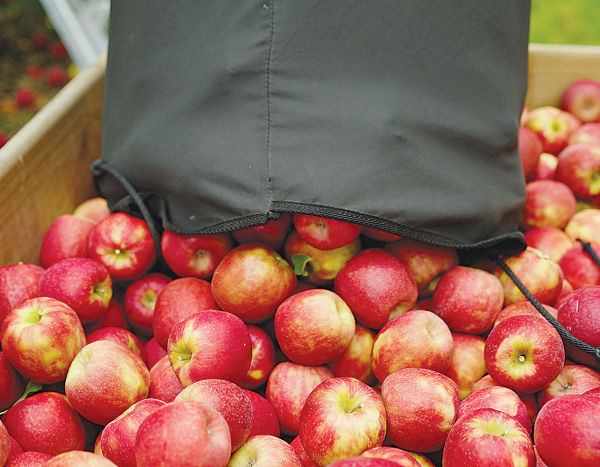
Horticulture's contribution to export earnings continues to rise, led by kiwifruit and apples and pears. Nicola Grigg, the minister responsible for horticulture, says she's thrilled at the performance of the sector and the positive forecasts show the future is bright.
Another point highlighted in the report is the contribution of Māori in the primary sector, with an asset base of $19 billion, three times what it was 10 years ago. Sheep and beef, dairy and horticulture make up most of the assets.
Finally, Agriculture Minister Todd McClay says, now more than ever, global consumers are demanding high-quality, safe and sustainable food and fibre products and New Zealand producers are well placed to provide this.