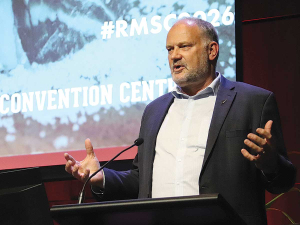
A leading accountant and agribusiness advisor says the present downturn in the rural sector is like no other he's seen in his nearly 60 years in the business.
Pita Alexander says there have been eleven financial downcycles since 1948, but this is the worst. He says a feature of downturns is that either prices fall, or costs go up.
But this time, it's unique because both have happened at the same time and that's a problem for the country - especially sheep farmers, with the present low prices for lamb.
"It's effectively a scissors movement which has gripped the ag sector," he told Rural News.
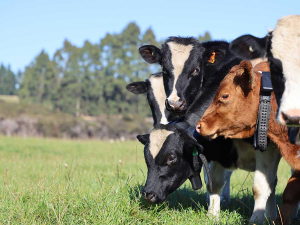
And he adds, it is not clear when the situation will improve for the sheep industry. He says the downturn for the dairy industry appears to have bottomed out with the milksolids price improving, but he believes that dairy farmers need a farmgate milk price of $9/kgMS.
"But while the situation is on the improve for the dairy sector, it is not the case for the sheep sector," he says.
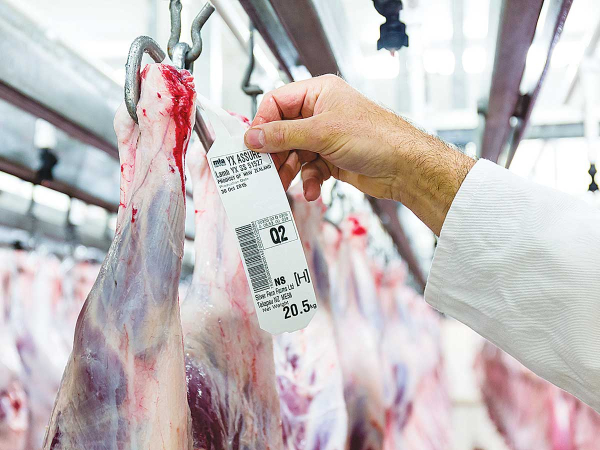
"They need to be getting $120 for a lamb - not the $85 they are currently getting."
The big problem for any sector, says Alexander, is the second year of a downturn. He says farmers are resilient and can withstand one bad year, but when this stretches out another year, that's when things get difficult - especially for people with significant debt.
"The problem now is that NZ is caught up with China, which has been taking 32% of our exports, but it is now having economic problems of its own," he says.
Alexander says some people say that we have become too dependent on China, but at the time China offered the best prices for our agricultural produce and companies can't be blamed for making the most of the opportunities in that market.
He says there is no point in blaming China as they have served NZ well for over 15 years and may still come back into the market.
He says they have their own economic problems and that is impacting on NZ. Other commentators have suggested that China may take another year or two to come right.
Alexander suggests that South Asia should be our target, stating that there are 40 million people there, many of whom can afford to pay for good quality, healthy food.
He says NZ won't do much trade with India as its people eat little meat and it has the largest number of dairy cows in the world.