
FAR Eyes NZ Grain as Dairy Supplementary Feed
Dr Scott Champion, Foundation for Arable Research chief executive, says that everyone in the supply chain had a role to play in driving the sector's long-term success.




 increase font size
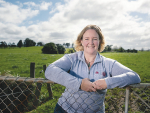
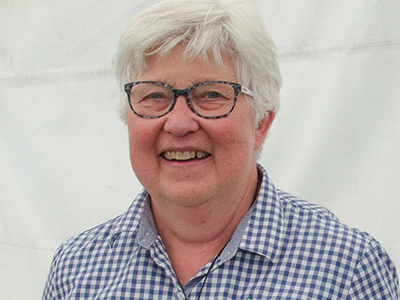 Diana Mathers.
The Foundation for Arable Research (FAR) says it has named one of its own as their 2019 Researcher of the Year.
Diana Mathers, who, joined FAR as cropping systems research Mmnager in 2010, has worked to support cropping farmers in the areas of economic and environmental sustainability.
FAR chief executive Alison Stewart says Mather’s award recognises the significant impact she has had in these areas.
Working with growers around the adoption of new technologies is a current focus for Mathers, who helped to test and calibrate DIY Quick N testing kits as part of the MPI SFF Nitrogen - Measure it and Manage it project.
The results of this project have confirmed that Quick N testing strips are an efficient and inexpensive tool to help growers understand exactly how much nitrogen is available to their crops at any given time, and therefore, how much they need to apply to reach target yields.
Dr Scott Champion, Foundation for Arable Research chief executive, says that everyone in the supply chain had a role to play in driving the sector's long-term success.

Flat pricing in the face of significant increases in costs is the greatest problem facing the arable sector, says Foundation for Arable Research (FAR) chief executive Dr Scott Champion.
Four years since it was first detected in New Zealand, researchers and growers now know much more about management of maize pest fall armyworm (FAW).
Two Canadian spraying experts, Tom Wolf and Jason Deveau, are visiting New Zealand in early August to ensure that arable growers are hitting the target with this key piece of equipment.
Tickets are now available for the 2026 Arable Awards, set to be held in Christchurch on 20th August.


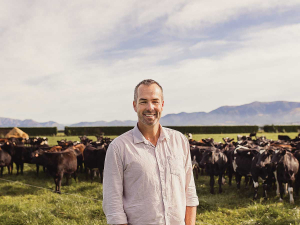
For Canterbury dairy farmer Cameron Henderson, supporting Meet the Need comes down to a simple question: how can the success of New Zealand farming benefit more than just those within the industry?
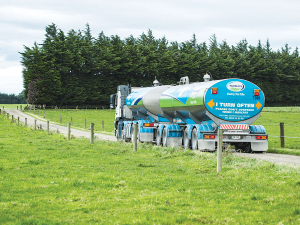
Fonterra board members are in line for a pay rise of around 3%.
Dairy processors are ready to further boost New Zealand’s export earnings but want the incoming government to match their ambition with good policy.
Massey University is best placed to solve the “problems” facing the dairy industry, says vice chancellor, Pierre Venter.
Synlait's longest serving employee – a man who joined the Canterbury-based milk processor even before it began processing milk – is now its newest executive.
A dairy industry leader believes eradicating the common and costly disease, Bovine Viral Diarrhoea (BVD) is within reach.

OPINION: The same mainstream media muppets that brought you Jacindamania in 2017 have been flat out pimping for the Opportunities…
OPINION: Your old mate reckons the atrocious way farmers in the UK are treated by their lords and masters in…




