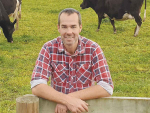
Cameron Henderson Reappointed Unopposed as DairyNZ Deputy Chair
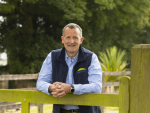
DairyNZ deputy chair Cameron Henderson has been re-appointed unopposed for another term.




 increase font size
 The dairy industry needs to develop leadership and management skills.
A HIGHLY experienced Filipino dairy farm manager says many New Zealand farmers and managers don’t have the people, management and leadership skills to be good employers.
Bob Bolanos has worked in the dairy industry for 29 years managing staff – including eight years as a farm manager in New Zealand. He told Rural News that, while he doesn’t wish to be critical about the dairy industry, from what he has seen some farmers seem to think if they can pay a worker a salary, they can manage them.
But Bolanos says this isn’t so and that farmers’ lack of human resource skills is one of the reasons for high staff turnover on dairy farms.
“They often blame the workers or complain that there is not enough ‘qualified’ staff in the industry. But they do not see themselves as part of the problem. It’s easy if you have a small operation with a couple of casual staff working under you. But when your business grows and you need to hire full time, permanent staff the need for knowledge in organising labour and managing staff becomes a necessity.”
Bolanos says farmers have farm consultants, accountants, financial advisers, soil and irrigation consultants, vets and even seed reps to go to for advice. But he’s never heard of a farmer hiring a human resources consultant to study their work routines, rosters and management systems.
“Replacing workers is costing the industry, according to DairyNZ, about $125 million each year. Add to that, a shortage in manpower has forced farmers to look overseas to fill the labour gap; not enough Kiwis seem to want to work in dairy.
“Migrant workers now play a significant role in farming operations all over the country. This presents a new problem – cultural misunderstanding. Often an employer assumes he can manage migrant staff the same way he manages his Kiwi workers.”
Bolanos says there is lack of material available to explain to New Zealand farmers how to deal with migrant farm workers and to ensure there are no cultural misunderstandings.
He believes there is also a need for farmers to ensure that young New Zealanders coming into the dairy industry have a positive experience and are not put off the industry by bad employment practices.
Bolanos has seen many instances over the years where a young person comes onto a farm full of enthusiasm but is quickly put off the industry by the way they are treated. Some problems relate back to formal training courses which don’t give young people sufficient practical skills to work on farms and there needs to be better communication between training institutions and farmers.
The other problem Bolanos sees is the lack of good on-the-job training – especially explaining to new workers how a task they are asked to perform fits into the whole farming system.
“For example, a young worker is asked to put up a fence halfway down a paddock. That task may seem meaningless unless they are told that the idea is ensure cows get a set amount of feed each day to produce milk. The issue is about feeding cows rather than putting up a fence,” he explains.
Bolanos says while he knows the dairy industry involves hard physical work and long hours, he’s not sure some young people really understand the nature and commitment that’s required to work in the industry.
DairyNZ deputy chair Cameron Henderson has been re-appointed unopposed for another term.
Tatua Co-operative Dairy Company has confirmed that chair and director Stephen Allen will retire at the co-operative's annual general meeting (AGM) on 3 December 2026, ending 30 years of service, including more than 20 years as Chair.
A new company set up to cultivate and supply seaweed for animal methane mitigation studies believes it could be a game changer for the dairy industry.
Building a strong team is one of the biggest drivers of a successful sheep and beef business, but it can also be one of the tougher parts to get right.
Wayne and Ange Moxham of Horowhenua have just been named as Fonterra's top organic performer for milksolids. As well as providing organic milk to Fonterra, the couple also sell Udderly Organic milk to more than 100 outlets in the region and are embarking on another exciting venture producing organic gelato. Reporter Peter Burke went along to see their farming operation.



Safer Farms is urging farmers to make sure everyone working on farm has safe, suitable footwear for the job.
The Government is backing work on a community-led water storage scheme that could irrigate up to 11,000 more hectares of the Poverty Bay flats, Agriculture Minister Todd McClay says.
Agri-tech company Herd-i has become a new all-region sponsor of the New Zealand Dairy Industry Awards (NZDIA), the largest nationwide celebration of excellence in the dairy sector.
Four candidates have been confirmed for two director positions on Fonterra’s board.
Returning to the family dairy farm after playing 20 years of professional rugby around the world is no easy task.
After delivering another record farmgate milk price to 100 supplying farms, independent milk processor Tatua is entering thee new financial year with a positive outlook.

OPINION: The same mainstream media muppets that brought you Jacindamania in 2017 have been flat out pimping for the Opportunities…
OPINION: Your old mate reckons the atrocious way farmers in the UK are treated by their lords and masters in…




