
Don't Sell Yourself Short On Insurance
Ensure your insurance is fully comprehensive and up to date because as a rural contractor you don’t know what’s around the corner.




 increase font size
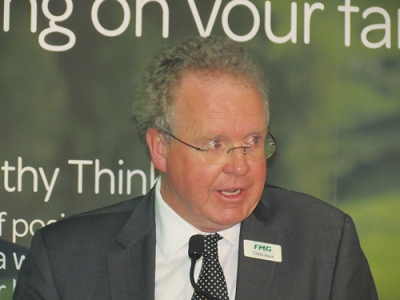 Chris Black
New Zealand owned rural insurer FMG has announced an after tax profit of $26.7 million – its sixth consecutive profit.
“This has been another successful year for FMG,” says chief executive Chris Black. “Making a profit and increasing reserves each year supports our growth model and puts us in a strong position to be there for clients when the unexpected happens. Our reserves are currently more than double the minimum required by the Reserve Bank of NZ.”
Black says the result enables the company to keep premium increases to a minimum.
FMG’s pre-tax profit was underpinned by an underwriting result of $7.9m and investment income of about $23m. It increased its share of the overall insurance market to almost 5% and the rural insurance market to 42%.
Blacks says because FMG is mutual, it has a higher sense of accountability in giving back to the rural community.
“We do this in many ways including risk-advice service and sponsorships… graduate programmes and scholarships.
“In 2015 we partnered with the Mental Health Foundation to launch Farmstrong, a non-commercial rural wellness programme based on farmer insights and research to support farmers and growers on ways to ‘live well and farm well’. This initiative is different and timely.”
Ensure your insurance is fully comprehensive and up to date because as a rural contractor you don’t know what’s around the corner.

Nationwide rural wellbeing programme, Farmstrong recently celebrated its tenth birthday at Fieldays with an event attended by ambassador Sam Whitelock, Farmers Mutual Group (FMG), Farmstrong partners, and government Ministers.
2025 marks 120 years of FMG Advice and Insurance in New Zealand's rural communities.
National Lamb Day, the annual celebration honouring New Zealand’s history of lamb production, could see a boost in 2025 as rural insurer FMG and Rabobank sign on as principal partners.
As New Zealand enters the summer months, rural insurer FMG is reminding farmers and growers to take extra care with a new campaign.


Federated Farmers has welcomed new rural policies released by ACT, saying they align closely with its own election priorities.

Rural Contractors NZ says proposed changes to land transport rules for agricultural vehicles are a welcome response by the Government to out of date regulations which have seen members hit with huge fines.
Alliance is calling for final applications for its 2027 Graduate Programme, with applications closing on Sunday 25 October.
Decades piloting planes has ensured vet and farmer David Hayes is focused on safety. So, after a serious accident while welding on farm, he is sharing his experience so others can learn from it.
Canterbury milk processor, Synlait Milk has confirmed Leon Fung as its chief executive officer.
OPINION: Making it easier to collect rainwater and use it to grow crops and livestock is a no brainer.




OPINION: The same mainstream media muppets that brought you Jacindamania in 2017 have been flat out pimping for the Opportunities…
OPINION: Your old mate reckons the atrocious way farmers in the UK are treated by their lords and masters in…




