
Federated Farmers Praises Labour's Emissions Tax Backdown
For the first time in a quarter of a century, Federated Farmers has something positive to say about the Labour Party’s climate change policy leading into a general election.




 increase font size
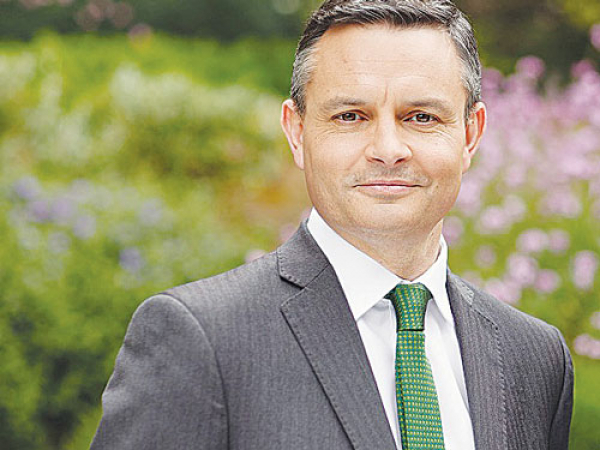 Climate Change Minister James Shaw.
The Government has announced its Emissions Reduction Plan which they say will put New Zealand on track to meet its first emissions budget.
Prime Minister Jacinda Ardern, currently isolating at home with Covid-19, says it marks a landmark in the country’s transition to a low emissions future.
“We’ve all seen the recent reports on sea level rise and its impact right here in New Zealand. We cannot leave the issue of climate change until it’s too late to fix,” Ardern says.
She says the Emissions Reduction Plan gives New Zealand it’s greatest opportunity in decades to address climate change and move to a high wage, low emissions economy that provides greater economic security by creating jobs, upgrading the country to run on more clean energy, supporting natures, and improving infrastructure.
“This is a challenge I know New Zealand can succeed in. Our plan is achievable because it includes a role for Government as well as for every community and sector of the economy.”
Ardern says addressing climate change now will mean the Government can reduce the cost of living.
“Reducing our reliance on fossil fuels will shield households from the volatility of international price hikes while reducing transport and energy bills.
“Households are already seeing the impact of escalating petrol prices and this plan sets out practical ways to cut power, transport and other costs by taking climate friendly actions.
“Cutting agriculture emissions and greening our exports protects our brand in a market where international consumers are looking for products produced with care for the climate.
“We can see around us that climate change is here now. We can’t opt out of the effects of climate change so we can’t opt out of taking action.
“The Government’s actions over the past four and a half years have bent the curve of our emissions trajectory, and this plan will now accelerate our emissions reduction,” Ardern says.
Climate Change Minister James Shaw described today as an “historic day for climate action in Aotearoa.”
“The Emissions Reduction Plan will ensure New Zealand is on track to meet the climate targets this Government has put in place all while creating new jobs, improving our communities, and making life better for people,” Shaw says.
He says the work done by the Government in the past four years has put New Zealand on track to bend the curve of its emissions downwards for the first time in history.
“But lasting climate action is about more than setting targets. It’s about take the actions, both large and small, that together add up to a better future for people and for the planet. And that’s what the Emissions Reduction Plan is all about.”
“The plan we have published today lays the path towards a net zero future where more people can purchase EVs, our towns and cities have world-leading public and active transport infrastructure, our highest emitters have switched to clean and reliable energy, our farmers are growing food in ways that help the climate, and more of our homes are warmer and more affordable to heat,” Shaw says.
“Tackling climate change requires the combined effort of government, iwi / Māori, unions, communities, local government, and business. This plan will guide the work we do together so that collectively we transition to a low carbon future in a way that benefits everyone.”
Several of the key actions outlined in the place have received funding from the Government’s Climate Emergency Response Fund as a part of Budget 2022.
For the first time in a quarter of a century, Federated Farmers has something positive to say about the Labour Party’s climate change policy leading into a general election.
Climate, nature and animal wellbeing make up Fonterra's refreshed sustainability roadmap released last week.
Researchers at Massey University are using a special piece of scientific equipment to improve the measurement of greenhouse gas emissions from pasture soils.
A five-year study has found that the cost of reducing emissions without technology may be significant and unsustainable for Northland dairy farmers.
OPINION: With the winter months officially here, I trust all is well at your place.


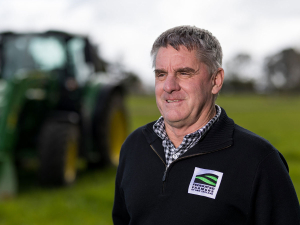
National’s pledge to introduce 19 new national standards shows the party is serious about getting Wellington out of farming, Federated Farmers says.
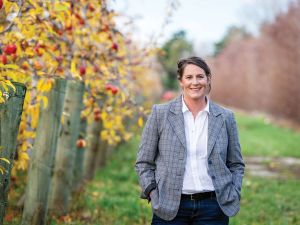
The National Party’s policies to make it easier to grow fresh vegetables, secure reliable water and energy and simplify farm planning are practical changes that will give growers the confidence to invest, according to Horticulture New Zealand (HortNZ).
Fonterra Co-operative Group chief financial officer Andrew Murray has resigned to take up a role outside the dairy giant.
A major move is about to get underway to improve the quality and viability of dairy beef and cattle in NZ.
Veterinarians say changes to the code of welfare for dairy cattle provides a positive foundation for improved cattle welfare across the country.
Today, 15 October, is the International Day of Rural Women, which recognises rural women’s contribution to farming, communities and the environment.



OPINION: The same mainstream media muppets that brought you Jacindamania in 2017 have been flat out pimping for the Opportunities…
OPINION: Your old mate reckons the atrocious way farmers in the UK are treated by their lords and masters in…




