Rural Mobile Coverage Worse After 3G Shutdown, Survey Finds
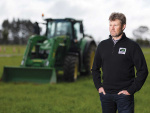
Mobile phone coverage and reliability are deteriorating in rural areas, and farming families are bearing the cost, according to a Federated Farmers survey.




 increase font size
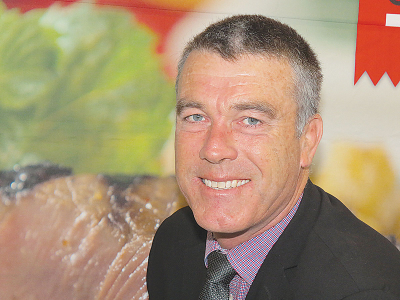 Feds security spokesman Miles Anderson.
Misgivings about the practicality and cost of a firearms register are likely to dominate feedback from rural people on the second round of proposed Arms Act amendments, says Federated Farmers.
Feds rural security spokesman Miles Anderson anticipates support for many aspects of the changes, especially tighter controls on firearms ownership and licensing.
“When firearms are used irresponsibly or illegally in New Zealand it is often farmers who suffer the consequences in the theft of livestock, poaching of wild animals or the risks of dangerous behaviour. Hopefully some of these proposed changes will help to prevent that,” Anderson says.
But he says the registration of firearms is a contentious issue. Feds has previously opposed compulsory registration of all firearms because of complexity and cost, and questionable safety benefits and likely success.
“We haven’t had a firearms register in NZ for almost 40 years.” A new register will cost plenty -- economically and socially, he said.
“We are very interested in how the police propose to practically manage common activities such as the loaning of firearms between two licensed individuals.”
But Anderson says Feds will consult its members on the whole range of amendments before submitting.
“We are pleased to see that this time there is a reasonable consultation period. This is a very important issue for farmers and we need to get it right.”
Anderson says Feds will also comment on some of the earlier changes to firearms laws. He says that since the initial changes in April the current pest management criteria have proven unworkable for farmers and land managers who still need to use semi-automatic centrefire rifles.
“Pest animals can be found in very high numbers on some private land and the right tool is needed to [kill] them humanely and effectively,” Anderson says.
“Continued access to these firearms under strict controls is essential for both our primary industries and indigenous biodiversity.
“We will use the second round of consultation to revisit this important issue with the select committee.”
Mobile phone coverage and reliability are deteriorating in rural areas, and farming families are bearing the cost, according to a Federated Farmers survey.
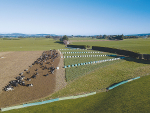
Central Otago District Council (CODC) has voted against a plan to spread treated sewage sludge from Cromwell and Alexandra on farmland near Lauder, a decision Federated Farmers says reflects strong opposition from rural residents.
Federated Farmers has called on Central Otago District Council (CODC) to drop or vote down a plan to truck sludge from Alexandra and Cromwell to farmland near Lauder, warning it would compound an "outrageous" situation created by a separate council's decision weeks earlier.
Federated Farmers says new legislation replacing the Resource Management Act will cut red tape, unlock investment and help grow New Zealand's export-led economy, after the Planning Bill and Natural Environment Bill passed their third reading in Parliament yesterday.
Leading figures from the major political parties will be questioned on their primary sector policies at the Rural Issues Debate at Mystery Creek Events Centre, Hamilton, on 30 September.


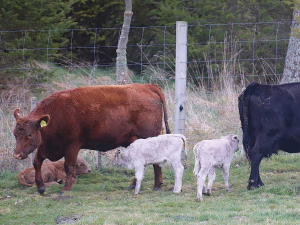
A major move is about to get underway to improve the quality and viability of dairy beef and cattle in NZ.
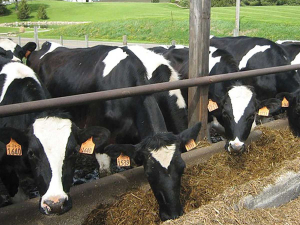
Veterinarians say changes to the code of welfare for dairy cattle provides a positive foundation for improved cattle welfare across the country.
Today, 15 October, is the International Day of Rural Women, which recognises rural women’s contribution to farming, communities and the environment.
Global dairy giant Lactalis has integrated its Australian operations with the Mainland Dairy consumer business it acquired from Fonterra earlier this year.
After almost two decades of sharemilking, saving and building equity, Aaron and Marcia Flay this year realised their long-held dream of settling on their first dairy farm.
Good medium to long term prospects for NZ beef, especially in the US, has heighted the focus on various initiatives to capitalise on this situation.



OPINION: The same mainstream media muppets that brought you Jacindamania in 2017 have been flat out pimping for the Opportunities…
OPINION: Your old mate reckons the atrocious way farmers in the UK are treated by their lords and masters in…




