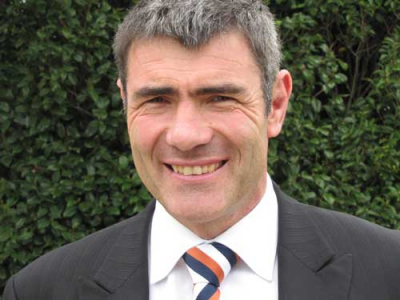
The Minister for Primary Industry, Nathan Guy is planning to visit badly quake damaged farming areas in North Canterbury and Kaikoura tomorrow.
There has been widespread and extensive damage to farms throughout the region, with reports that some dairy farmers in Kaikoura cannot milk their cows because their sheds are too badly damaged and they face the prospect of having to dry off their herds early.
Guy says many farmers are still busy checking on stock and assessing the damage to get the full picture, but says the big challenge ahead will be repairing infrastructure.
“The earthquake damage is a real blow given this is an area that’s been suffering through drought for nearly three years,” he says. “However there is a whole-of-Government response underway and the community is pulling together to get through this. Some dairy farms can’t get their milk collected due to road closures and are having to spread milk back on pasture in a controlled way.”
Guy says there are lots of landslides and rockfalls on sheep and beef farms in the area which has isolated some stock and damaged farm water supplies. He says some wineries in Marlborough have suffered damage to storage tanks and lost some quantity of wine and engineers are currently assessing the damage.
“I’ve taken part in conference calls with industry leaders and local groups and I’m pleased that offers of assistance are pouring in from farmers and others throughout New Zealand. Federated Farmers are running a phone line 0800 FARMING (0800 327 646) for farmers to say what they need and be matched with assistance,” he says.
In Wellington the Ministry for Primary Industry’s (MPI) building Pastoral House is closed for engineering and technical assessment today. A temporary MPI Operations Centre has been opened at Wallaceville in Upper Hutt and a number of staff are working there instead of in the CBD.
Meanwhile in Wellington, there is still a cordon around Featherston St where Federated Farmers and Beef+LambNZ have their offices. The Wellington Regional Council’s new offices in the city are also closed because of earthquake damage. The council have only been in their new building a short time as their previous building near the Michael Fowler Centre was condemned as being an earthquake risk.
Many of the buildings damaged on the Wellington waterfront are owned by the port company, Centreport which in turn is owned by the Greater Wellington Regional Council and Horizons Regional Council.