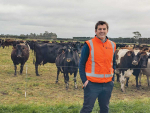
New Dairy Holdings CEO Backs Self-Contained Model
Running a tight and self-contained ship is the key to the success of the country's largest dairy farmer, says Blair Robinson, the new man at the helm of Dairy Holdings.




 increase font size
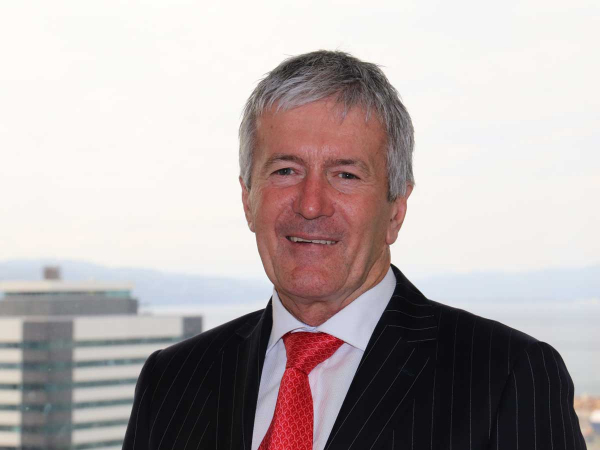 Biosecurity and Agriculture Minister Damien O'Connor.
Biosecurity and Agriculture Minister Damien O’Connor says he welcomes an independent review into the Mycoplasma bovis eradication programme, which has found it is on track to achieve eradication and made recommendations to boost biosecurity work.
“The decision to attempt eradication was a big one for the Government and our sector partners, DairyNZ and Beef + Lamb New Zealand,” O’Connor says.
“It was driven by a motivation to prevent endemic M. bovis in our national herd and the associated animal welfare, economic and social costs for all farmers that it would bring. The economic cost of endemic M. bovis would top $1 billion in the first 10 years alone and continue to burden the sector into the future.
“The review finds that the programme is running well and is on track to achieve the world first of eradicating M.bovis. It also notes the impact on farmers involved and the work the programme has done over the past two years to make necessary improvements, following a difficult start.
“We are now in a situation where we are down to four infected farms, all of which are situated in Canterbury.
“I want to acknowledge the sacrifices made by farmers and the hard work of sector groups and the people on the M.bovis programme.’’
O’Connor says he thanks the reviewers for their work.
“The review panel has made some sensible recommendations for us and the primary sector to boost biosecurity and future animal disease responses.
“By working together, and taking the lessons and improvements from the M.bovis programme with us, we are better placed to meet future biosecurity challenges,’’ O’Connor says.
Running a tight and self-contained ship is the key to the success of the country's largest dairy farmer, says Blair Robinson, the new man at the helm of Dairy Holdings.
OPINION: It's no surprise that "world-class biosecurity" continues to dominate as the top priority for agribusiness leaders, holding the number one spot for the 16th consecutive year in KPMG's latest agribusiness report.
A miserable budget that didn’t deliver much for anyone.
National's decision to ‘dribble’ information about the NZ/India to Labour contributed to the delay in it deciding to supported the FTA.
OPINION: Last week marked a major step forward in our work to eradicate Mycoplasma bovis.


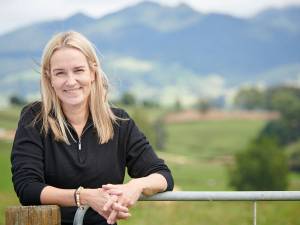
Minister of Conservation Hon Tama Potaka has appointed Susan O'Regan as Chair of the Queen Elizabeth II National Trust (QEII) for a three-year term.
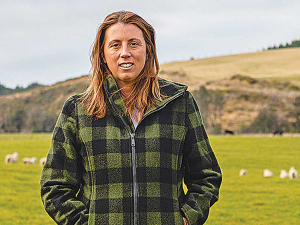
Red meat farmers are welcoming Labour’s plan to review the Emissions Trading Scheme and not to campaign on pricing agricultural emissions.
Where any worker in the kiwifruit industry is mistreated, we expect the authorities to take action.
Mid Canterbury Federated Farmers arable chair, Bevan Lill, said Beef + Lamb NZ data indicated that for the last six years, the average arable return on investment was about 0.8% while inflation ran about 4% - so the average arable farm was going backwards at about 3% a year.
Seed and grain companies share the concerns of arable farmers about the viability of their sector, says Seed and Grain New Zealand chief executive Dr Sarah Clark.
The New Zealand Institute of Forestry (NZIF) says unnecessary changes to New Zealand’s Emissions Trading Scheme (NZ ETS) will seriously erode investor confidence and result in significant reductions in forest planting rates.


OPINION: The same mainstream media muppets that brought you Jacindamania in 2017 have been flat out pimping for the Opportunities…
OPINION: Your old mate reckons the atrocious way farmers in the UK are treated by their lords and masters in…




