NZKGI Responds to Migrant Worker Exploitation Reports
Where any worker in the kiwifruit industry is mistreated, we expect the authorities to take action.




 increase font size
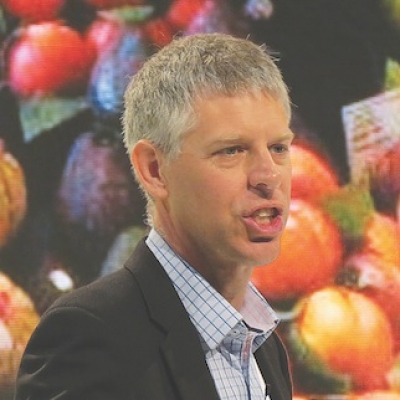 Lain Jager.
KIWIFRUIT’S ACHIEVEMENTS to date are not enough to sustain a competitive advantage and change is needed, says Zespri’s chief executive Lain Jager.
He told Zespri’s recent Momentum conference that massive changes are occurring in global retailing with the move to online selling. The world has never changed so fast, he says, and industry must be aware of the changes and capitalise on the opportunities.
“One reason we are the category leader in kiwifruit is because we focus only on kiwifruit. We have developed scale by working together and have invested heavily in innovation and the brand and built a category leadership position because most of our competition is relatively fragmented and focused on a range of fruits.
“But… in the next ten years the nature of our competition will change: we will face businesses focusing strongly on kiwifruit, businesses much larger than we are, so this not a time for complacency.”
Consumers now want their food in ‘convenience formats’ and many more are shopping online, Jager says. Zespri is launching a new organic product online. The challenge is to be compelling in a ‘convenience format’ but still to ensure that growers get good returns.
“The big question is how we innovate faster than the competition. What is going to continue to earn us a sustainable living in this world, to earn our margin… is our rate of innovation.
“This is not a generic question because what guides our innovation is what we focus on – the convenience market, internet shopping, taste and what we need to do in China. The quality of the questions we ask will define our future.”
The kiwifruit industry is performing well and has recovered strongly from Psa, Jager says. The industry plans by 2020 to be exporting 120 million trays of kiwifruit. Importantly, they are lifting the price paid for green kiwifruit to about $5/tray – a dollar more than the average for the last seven years. This means that by 2020 Zespri will be delivering growers at least $60,000/ha – almost double the figure of the early 2000s.
The real competition facing Zespri is not so much other kiwifruit producers, such as Chile, but other fruits, “… colourful and tasty and high quality. That is really tough competition. We are the little brown ones [that] account for less than 1% of the global fruit bowl so we are competing with really big fruit categories.”
He says the growth in recent years has been disproportionately in citrus and bananas and to a lesser extent in apples.
Good relationships vital
GLOBAL KIWIFRUIT is a northern hemisphere business, Lain Jager says.
Almost all the kiwifruit eaten worldwide is grown in the northern hemisphere and that is where New Zealand must position itself strongly – where the business is done. (NZ supplies about a third of the globally traded kiwifruit.)
China produces as much kiwifruit as all other producers combined, just as China is the world’s biggest gold producer..
“China’s kiwifruit volume will probably double in the next five years. Zespri and its consultants probably know more about the Chinese kiwifruit industry than anyone else in the world and I can tell you it’s all going on in China,” he adds. “China is hugely important to our future.”
Jager says Zespri’s strategy is underpinned by strong platforms, especially innovation and plant breeding.
Quality will be the driver of success for the industry, as will developing strong relationships with consumers.
“The important thing now is for the industry to work together and look to the future and be a part of the changes that will inevitably take place.”
Where any worker in the kiwifruit industry is mistreated, we expect the authorities to take action.

Kiwifruit growers are watchful but remain optimistic as concerns around the potential effects of the El Niño weather pattern this season.
Almond hulls sourced from Australian orchards may have the potential to help New Zealand cows reduce emissions, boost milk yield and lower input costs.
More signs of a booming kiwifruit sector.
New Zealand wool is reaching new heights as air filtration companies move away from synthetic products to biodegradable alternatives.


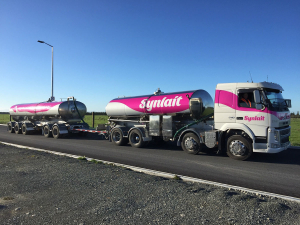
Synlait has swung to second-half profit as operations stabilise, but the dairy processor still posted a $75.4m annual loss.

LIC shareholders have elected a new North Island representative to the co-operative's Board, along with five representatives to its Shareholder Reference Group (SRG), following the company's Annual Meeting held in Invercargill.
Farmers across parts of Southland and South Otago are continuing to deal with difficult conditions after a prolonged run of wet weather, with pressure building around feed supply, stock management, pasture damage, farm infrastructure and everyday workloads.
Federated Farmers says it welcomes Labour's commitment to reviewing the Sharemilking Agreements Act, calling on other major parties to do the same.
For Canterbury dairy farmers Sian Meijer and Rick Wobben, wearable technology has become one of their most valuable on-farm tools - helping manage 1850 cows across an expansive, high-performing dairy operation while improving efficiency, mating outcomes and day-to-day decision making.
Fonterra has unveiled its annual results for the 2026 financial year, posting $27 billion in revenue and close to $20 billion returned to New Zealand farmer owners and unit holders.




OPINION: The same mainstream media muppets that brought you Jacindamania in 2017 have been flat out pimping for the Opportunities…
OPINION: Your old mate reckons the atrocious way farmers in the UK are treated by their lords and masters in…




