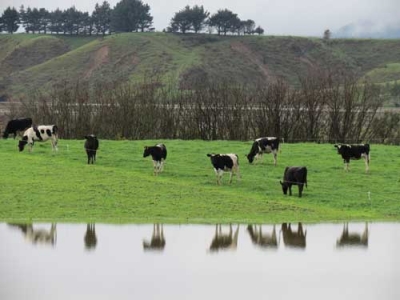
A new MPI report outlines the economic impacts to the primary sector from the heavy rain and flooding that affected the western North Island in June.
The total on-farm cost of the June storm affecting Taranaki and Horizons regions has been assessed at approximately $70 million with up to 800 rural properties affected.
MPI director of resource policy, David Wansbrough, says the greatest impact of the storm was on sheep and beef farms, due to landslides and damage to infrastructure.
Around 460 beef and sheep farms were affected with the on-farm economic impact estimated to total $57.6 million, says Wansbrough.
"Dairy farms were mainly impacted by silt from flooding, with an estimated on-farm economic impact of $6.4 million." he says.
Wansbrough also says damage to the horticultural sector with the on-farm crop losses are estimated to total $1.2 million.
"We know this is a stressful time for many in New Zealand's rural communities and many rural people can be reluctant to ask for help, but it is important for them to know that support is available. We encourage anyone in need of support or assistance to contact their local Rural Support Trust on 0800 787 254 or visit www.rural-support.org.nz . Services are free and confidential."
Under the Primary Sector Recovery Policy the Government classified the storm as a medium-scale adverse event.
Funding has been made available to assist the rural farming community recover from the storm to:
• Support the activities of rural support trusts to provide coordination, advice and support.
• Contract a rural recovery coordinator.
• Build resilience for future storm events.
• Assist infrastructure repairs on severely impacted farms.
• Provide assistance for clean up through Enhanced Taskforce Green.
• Provide access to Rural Assistance Payments for those in extreme financial hardship.
Grants have also been made to regional councils for land management initiatives through the Hill Country Erosion Fund.