Lanaco and Blueair Launch World-First NZ Wool Air Filter
New Zealand wool is reaching new heights as air filtration companies move away from synthetic products to biodegradable alternatives.




 increase font size
 Merino outdoor brand, Devold, recently donated 500 merino blankets to the trust and, as Devold New Zealand general manager Craig Smith says the support was an obvious fit.
Wool could be the secret to keeping premature babies safe and warm, says Little Miracles Trust chief executive Rachel Friend.
The Little Miracles Trust is a not-for profit which provides support for families who are going through a neonatal intensive care experience with their babies.
“Natural fibres are best, in particular wool and in particular merino wool, to keep them warm when they have so little fat,” she says.
Merino outdoor brand, Devold, recently donated 500 merino blankets to the trust and, as Devold New Zealand general manager Craig Smith says the support was an obvious fit.
“Premature babies need to be looked after, and wool is the product to do that,” says Smith. “It’s nature helping nature. It really is the best material for the job.”
He says the partnership was a natural fit for Devold.
“It’s something pretty special that we can do, providing blankets from our own mill in Lithuania and made with fine merino from New Zealand,” he says. “We’re proud to clothe athletes at the top end and little premature babies when they come into the world.”
Friend says the donation has the potential to be a game-changer for babies and their families, both to give the little ones access to the best materials early on in life, as well as to promote merino over fabrics like polar fleece, which can be harmful.
“For these tiny babies, part of their journey in hospital is putting on fat and gaining the ability to regulate their body temperatures,” Friend explains.
“Merino is a natural fibre, so it lets their skin breathe unlike polar fleece, and they won’t overheat and risk a chill,” she says. “That’s why it works year-round as well.”
She says that 10% of Kiwi families will go through an experience with intensive neonatal care at some point.
She came across Devold at a merino wool conference, and with winter coming, reached out to Smith.
“We’re pretty desperate for it,” she says. “Actually trying to get the merino cloth itself is really difficult and can be quite cost prohibitive as well. They’ve been able to deliver the goods which I’m so excited about.”
“I just want to say a huge thanks to Devold for stepping up and being there,” Friend says. “For them to be doing this makes a massive difference. It’s the most vulnerable babies in our country who will benefit, and a huge proportion of the families who will go through this experience are from low socioeconomic areas and this will benefit them hugely, too.”
New Zealand wool is reaching new heights as air filtration companies move away from synthetic products to biodegradable alternatives.
Will a stronger, more coordinated voice help rebuild confidence and improve returns in the wool sector?
OPINION: Confidence in the wool sector is rebounding as prices hit levels not seen in more than 15 years.
The recently signed free trade agreement with India is an invitation to strengthen relationships between the New Zealand and Indian strong wool industries, says Wool Impact chief executive Andy Caughey.
Strong competition and tightening supply have seen wool reach its highest prices paid at auction since 2011.



Now in its fourth year, the 2026 Fencing Industry Awards, formed part of the proceedings of the FCANZ Conference, held in Nelson during August.
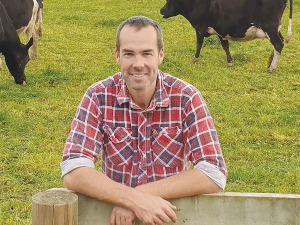
DairyNZ deputy chair Cameron Henderson has been re-appointed unopposed for another term.
OPINION: The stats speak for themselves.
Farms across the upper North Island are trialling different pasture mixes as part of a research programme that aims to build greater resilience into farming systems.
Election years are always a concerning time for farmers, according to DairyNZ chair Tracy Brown.
The Ballance Farm Environment Awards are coming to the West Coast of the South Island.



OPINION: The same mainstream media muppets that brought you Jacindamania in 2017 have been flat out pimping for the Opportunities…
OPINION: Your old mate reckons the atrocious way farmers in the UK are treated by their lords and masters in…