
Pāmu FY26 Report: Profit More Than Doubles to $113m
Pāmu has released its FY26 Integrated Annual Report, reporting a Net Operating Profit of $113 million, more than double the $49 million recorded in FY25.




 increase font size

Landcorp Farming has announced a six-month net operating profit of $11 million and expects to reach more than $20 million for the full year.
Favourable weather across New Zealand and buoyant prices contributed to the result for the six months to December 31, 2001, up from $3.2 million for the same period in 2010.
Looking further ahead, however Landcorp chairman Jim Sutton says the outlook is clouded by uncertainties in the global economy and demand for commodities, including milk, meat and wool.
"New Zealand's agricultural production has particular exposure to consumer demand levels in Europe, where issues of debt and financial stability have yet to be resolved," he says.
Sutton says current conditions provide a sound basis for the company to prepare for the uncertainties of the future.
"We will continue to look past year-to-year fluctuations in climatic conditions, product pricing and exchange rates. We will own, manage, invest and produce with a medium and longer term view."
In the half year to December 31, 2011, Landcorp's farm product revenues increased 14% to $104 million compared with the same period in 2010.
Livestock revenue was up 27% to $46.3 million due to higher prices for meat and store animals, and increased stock numbers. Dairy revenue was up 2.5% per cent to $53 million on growth in Landcorp's milk production.
Nationwide, Landcorp achieved a lambing rate of 139% (2010/11: 128%).
Meat prices were at historically strong levels through the half year.
Lamb prices (net per kilogram) received by Landcorp were 31% ahead of the corresponding period in 2010/11. On the same basis, beef prices were up 14% and venison, 15%. Landcorp continues to lift milk production, with growth of 5% in the half year compared with the previous corresponding period.
Dairy herds entered the season in generally excellent condition and grass growth remained favorable in most regions. Dairy company payouts for the full year are expected to net around $6.75/kgMS, down from 2010-11 but still high by historical standards.
Total expenses for the half year rose to $87.1 million (2010/11: $80.5 million). Cost pressures remain high in New Zealand agriculture, particularly on fertiliser, fuel and other basic inputs. Landcorp's farm working expenses rose 11.5% to $39.2 million, while personnel costs were up 5.2%to $23.1 million.
Sutton said Landcorp expects to pay the shareholder a dividend of $15 million in 2012, based on the company's performance in 2011/12.
Sutton said Landcorp is developing its strategy for the coming three years to consolidate gains made over the past decade, and to confirm current and new initiatives.
For further information, see the Landcorp Farming Half Year Report for the Six Months ended 31 December 2011 on www.landcorp.co.nz
Pāmu has released its FY26 Integrated Annual Report, reporting a Net Operating Profit of $113 million, more than double the $49 million recorded in FY25.

A partnership between state-owned enterprise Pāmu (Landcorp Farming Limited) and charity Meet the Need is putting more than quality New Zealand beef into food bank parcels this year.
State farmer Pamu has delivered its strongest operating result on record.
State farmer Pāmu (Landcorp) has announced it will pay a $10 million special dividend to the Crown off the back of a strong outlook for the business and a capital repayment of $9.5 million following Fonterra's consumer business sale.
The Government has appointed three new members to the board of state farmer Landcorp Farming Ltd, trading as Pāmu.


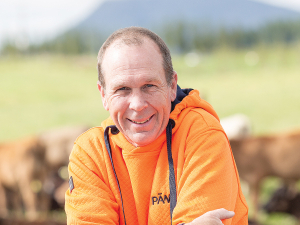
Pāmu has released its FY26 Integrated Annual Report, reporting a Net Operating Profit of $113 million, more than double the $49 million recorded in FY25.

Meat Industry Association data, released alongside the Red Meat Sector conference in Wellington, shows export value climbing across the US, China, UK and Canada.
Applications are set to open for the 2027 Zanda McDonald Award, a trans-Tasman award recognised for identifying and fast-tracking talented young leaders in agriculture and agribusiness.
The Royal New Zealand College of General Practitioners (the College) and Hauora Taiwhenua Rural Health Network are calling for investment in a proposed new training pathway for rural GPs, warning that many rural practices are struggling to recruit while a large share of the existing workforce nears retirement.
Federated Farmers has called on Central Otago District Council (CODC) to drop or vote down a plan to truck sludge from Alexandra and Cromwell to farmland near Lauder, warning it would compound an "outrageous" situation created by a separate council's decision weeks earlier.
Synlait has swung to second-half profit as operations stabilise, but the dairy processor still posted a $75.4m annual loss.




OPINION: The same mainstream media muppets that brought you Jacindamania in 2017 have been flat out pimping for the Opportunities…
OPINION: Your old mate reckons the atrocious way farmers in the UK are treated by their lords and masters in…




