Election 2026: How Parties Would Lift the Arable Sector
As part of its Election 2026 coverage, Rural News asked political parties how they would help pull the arable sector out of the doldrums. Here's what they said:




 increase font size
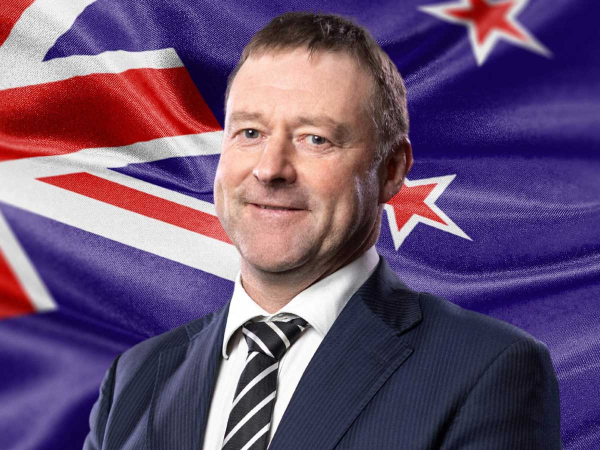 Mark Patterson
Rural Communities Minister Mark Patterson says the present weather conditions remain challenging for farmers.
This follows the recent decision to declare a medium scale adverse event in Taranaki which has been experiencing very dry conditions for the past few months especially in coastal areas from Manaia to Waverley.
The declaration means that the sum of $30,000 will be made available to rural support groups who are working with farmers in that region.
Patterson told Rural News that they are looking at several other regions around the country as well who are suffering from the dry conditions. He says these include the western parts of Northland and down the east coast of the North Island and the top of the South Island.
He says farmers should be assured that the situation right around the country is being closely monitored.
"It's about trying to establish what is a normal summer dry verses something that might be going beyond that. Taking account of the availability of feed and water for stock and any other animal welfare issues. Quite a few factors come into play and we rely on local input before a drought declaration is made," he says.
Patterson says when an adverse event is declared there are financial implications for government and that is why they have clearly defined thresholds that need to be met before government intervenes.
In the last couple of weeks, Patterson has been in many part of the country including the Waikato, Wairoa and down to the Wairarapa and further south to Otago and Southland. He says he's got a pretty good first-hand picture of how things are. Apart from Taranaki, the Waikato is the driest of the other regions.
Meanwhile, Agriculture Minister Todd McClay says farmers and growers in Taranaki are facing challenging situations.
He says conditions on the ground are becoming extremely difficult with limited feed and pasture available.
"Taranaki is experiencing hot, dry conditions and below average rainfall. This has affected pasture growth and farmers have had to feed-out or sell livestock earlier to fill the gap," he says.
As part of its Election 2026 coverage, Rural News asked political parties how they would help pull the arable sector out of the doldrums. Here's what they said:
The Minister for Rural Communities, Mark Patterson, says there's a massive infrastructure deficit in rural areas.
National’s much-touted free trade deal with India featured in the Rural Issues Debate at Mystery Creek, Hamilton on Wednesday night.
A spate of southerly winds bringing cold temperatures has presented challenges for Taranaki dairy farmers.
Kiwifruit growers are watchful but remain optimistic as concerns around the potential effects of the El Niño weather pattern this season.


Dairy processors are ready to further boost New Zealand’s export earnings but want the incoming government to match their ambition with good policy.
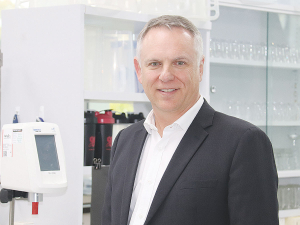
Massey University is best placed to solve the “problems” facing the dairy industry, says vice chancellor, Pierre Venter.
Synlait's longest serving employee – a man who joined the Canterbury-based milk processor even before it began processing milk – is now its newest executive.
A dairy industry leader believes eradicating the common and costly disease, Bovine Viral Diarrhoea (BVD) is within reach.
A farmgate milk price of $10/kgMS this season is firming up as milk powder prices soar and the New Zealand dollar weakens.
Federated Farmers has welcomed new rural policies released by ACT, saying they align closely with its own election priorities.

OPINION: The same mainstream media muppets that brought you Jacindamania in 2017 have been flat out pimping for the Opportunities…
OPINION: Your old mate reckons the atrocious way farmers in the UK are treated by their lords and masters in…




