
Rural NZ Welcomes $8.5m Government Health Package
Rural New Zealand is welcoming the Government’s recent package of rural healthcare initiatives.




 increase font size
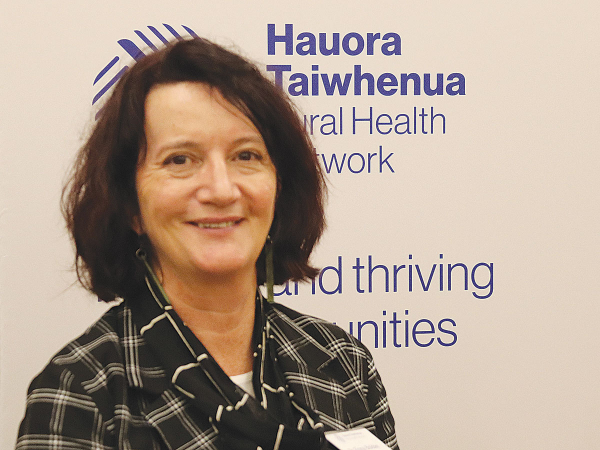 Rural Health Network chair Dr Fiona Bolden says Paxlovid is a complex medication that can cause side effects, which need explanation and management.
The Hauora Taiwhenua Rural Health Network is welcoming a government announcement to widen the prescription criteria for the Covid-19 antiviral medication Paxlovid.
In a recent press release, network chair Dr Fiona Bolden said that it was an important step forward as New Zealand comes into the next surge of Covid-19, including the emergence of subvariant BA.5.
In rural areas, many people have antiviral medications like Paxlovid prescribed from many kilometres away and then couriered from urban pharmacies, which tend to be better supplied. However, the distances and individual pharmacies' policies involved can cause delays.
Bolden says the decision to allow community pharmacists to supply this medication without a prescription has raised some serious questions regarding patient safety. This concern relates to "back pocket" prescriptions - prescriptions which do not need to be used immediately.
She adds that Paxlovid is a complex medication, with many interactions, and can't be used without a person having adequate kidney or liver function. It can cause side effects, which need explanation and management and for Paxlovid to be safely supplied, access to this information is a necessity.
Bolden claims this information is currently not available in a universal way across the country.
"Pharmacists are an essential part of our rural healthcare team who have already had a very positive role in helping with the care of Covid in the community," she explains.
"Supplying this medication without adequate training and proper support will place additional unnecessary pressure on them. Rural pharmacies shouldn't be prescribing Paxlovid at all, but some rural pharmacists who have had appropriate training, and up-to-date medical records of the patient and the means to provide feedback to the main prescriber, may be able to do so."
Bolden adds that clinical assessment is always going to be an essential part of managing illnesses no matter where people live.
"Outcomes to changes in care need to be monitored carefully for unintended consequences."
Rural New Zealand is welcoming the Government’s recent package of rural healthcare initiatives.

OPINION: The previous government spent too much during the Covid-19 pandemic, despite warnings from officials, according to a briefing released by the Treasury.
OPINION: Labour leader Chris 'Chippy' Hipkins is carrying on the world-class gaslighting of the nation that he and his cohorts started after their disastrous Covid response; now trying to undermine the Covid inquiry to protect his own backside.
OPINION: Did former PM Jacinda Ardern get fawning reviews for her book?
Doctors and rural women are welcoming the recent pre-budget announcement from the Government that it would be boosting funding to urgent and afterhours care facilities.



Alliance is calling for final applications for its 2027 Graduate Programme, with applications closing on Sunday 25 October.
Decades piloting planes has ensured vet and farmer David Hayes is focused on safety. So, after a serious accident while welding on farm, he is sharing his experience so others can learn from it.
Canterbury milk processor, Synlait Milk has confirmed Leon Fung as its chief executive officer.
OPINION: Making it easier to collect rainwater and use it to grow crops and livestock is a no brainer.
As part of its Election 2026 coverage, Rural News asked political parties how they would help pull the arable sector out of the doldrums. Here's what they said:
Farmers are being encouraged to rethink how they manage waste on farm with the launch of ruralwastesorted.co.nz, a new website bringing together practical tips, real farmer experiences and resources.





OPINION: The same mainstream media muppets that brought you Jacindamania in 2017 have been flat out pimping for the Opportunities…
OPINION: Your old mate reckons the atrocious way farmers in the UK are treated by their lords and masters in…




