Meat processor Silver Fern Farms is moving more animals over fewer kilometres, thanks to a digital real-time transport management system.
The M2X Transport Management System is helping the meat processor cut travel by a million kilometres annually, reduce fuel emissions, and improve animal welfare - all from a computer and smartphone.
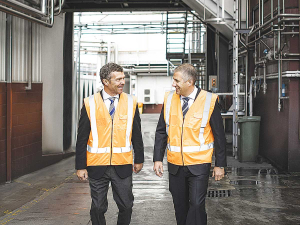
SFF general manager supply chain Dan Boulton told Rural News that through digitising and optimising the company's transport bookings with M2X technology, it has seen exciting improvements in the efficiency of its livestock transport.
"The results are outstanding. We're on track for one million less kilometres for the same amount of work."
This is happening via better utilised trucks, he says.
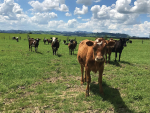
“This means we can have less trucks on our rural roads, and we can have less carbon emissions per livestock animal movement,” Boulton explains. “Animals are also spending less time on trucks, which is huge from an animal welfare perspective.”
Boulton says SFF’s goal is to be the world’s most sustainable red meat company.
“Our partnership with M2X is helping us fulfil that vision.”
The technology pulls together bookings 48 hours in advance to ensure that trucks are filled, which leads to more animals being moved, but over fewer kilometres.
Boulton says animals were spending about 14% less time on trucks and there was an emissions saving of about 11% per animal from livestock transported.
He says this is an exciting opportunity for the entire meat industry, and Boulton is proud that SFF was one of the initial companies to make use of it.
Another company impressed with the new technology is milk processor Open Country Dairy.
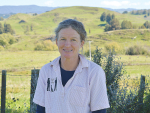
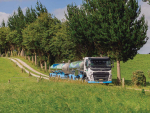
Open Country group transport manager Ginny Christians says M2X is helping the dairy company meet its carbon emission reduction targets by making sure trucks are travelling the shortest routes from farm milk collection to processing.
“The system has cut our transport planning time in half,” she told Rural News. “It can automatically redirect trucks where they’re needed to collect excess milk, recognise the high productivity vehicle routes and ensure the right trucks are on the right roads.”
Christians says it even provides tanker drivers with useful details on farm tanker tracks.
M2X director Krista McKay says as consumer demand grows for sustainably produced food and fibre that is meeting climate change targets, the spotlight is not only on farmers, but the entire primary industry to produce more from less.
“M2X is a single platform that helps companies optimise transport, increase efficiency and reduce both costs and carbon emissions,” McKay explains.
“We believe it is a truly sustainable industry solution – a platform where carriers and enterprise customers can work together to achieve and share the benefits of digital efficiencies and optimisation.”
The innovative technology is already making waves. M2X won the New Zealand Trade and Enterprise, Most Innovative Hi-Tech Agritech Solution at the New Zealand High Tech Awards last month.