
True Reflection?
A fair question has been raised about how member-funded organisations should conduct themselves when taking a public position on any given issue.




 increase font size
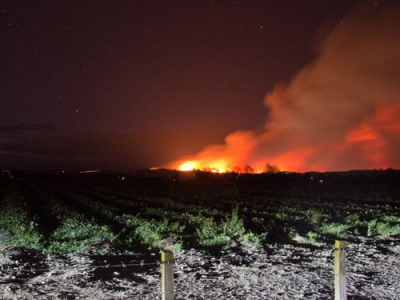 Over 200 homes have been evacuated since Tuesday.
Rural Women NZ is offering its support to those affected by wildfires in the Tasman-Nelson region.
The fire has covered about 1600 hectares with a perimeter of 23 km. Over 200 homes have been evacuated since Tuesday, affecting 400 residents.
Rural Women NZ (RWNZ) is calling on residents to keep themselves, their families and pets safe by ensuring that they make use of the emergency services at hand and support one another emotionally.
“Unforeseen and tragic situations like this can have a heartbreaking impact on the places we call home and the communities that define us,” says national board member and Nelson resident, Sue Higgins.
“It is essential that people in the region continue to utilise the tremendous efforts being made by the agencies on the ground- Fire and Emergency New Zealand, NZ Police, Civil Defence, Red Cross, Work and Income, the Rural Support Trust and the SPCA.”
“Be kind to one another, be proactive, be careful and, most importantly, be aware of anybody in the community that is alone during this ongoing civil defense emergency,” urges Higgins.
“If you are not affected by the fire, please support those in financial need by buying Aftersocks or RWNZ Peg Bags from www.ruralwomen.org.nz, the proceeds of which go directly to the RWNZ Adverse Events Relief Fund.”
The Civil Defence Centre at St John’s Church, Wakefield reopened at 8am this morning in order to provide information and accommodation to residents in need.
Nelson Tasman Civil Defense is requesting that all residents who have evacuated or self-evacuated register at the Centre, or call 03 543 8400 to register by phone.
The Rural Support Trust is also available to those in need.
A fair question has been raised about how member-funded organisations should conduct themselves when taking a public position on any given issue.

Rural Women New Zealand (RWNZ) says it is delighted by the Government’s announcement that it would invest $250,000 in the organisation.
OPINION: About as productive as a politician's taxpayer-funded trip to Hawaii, as cost-effective as an OSPRI IT project, and as smart as the power-company pylon worker, the Hound gives you the NZ Post business strategy:
OPINION: Rural services such as banks, health and postal services have been declining for years, so this mutt was tickled pink to hear Rural Women NZ on national TV slamming the impact of post office closures in rural areas.
Rural Women New Zealand (RWNZ) and Massey University are joining forces to help raise awareness and funds to combat leptospirosis.



Federated Farmers has welcomed new rural policies released by ACT, saying they align closely with its own election priorities.

Rural Contractors NZ says proposed changes to land transport rules for agricultural vehicles are a welcome response by the Government to out of date regulations which have seen members hit with huge fines.
Alliance is calling for final applications for its 2027 Graduate Programme, with applications closing on Sunday 25 October.
Decades piloting planes has ensured vet and farmer David Hayes is focused on safety. So, after a serious accident while welding on farm, he is sharing his experience so others can learn from it.
Canterbury milk processor, Synlait Milk has confirmed Leon Fung as its chief executive officer.
OPINION: Making it easier to collect rainwater and use it to grow crops and livestock is a no brainer.





OPINION: The same mainstream media muppets that brought you Jacindamania in 2017 have been flat out pimping for the Opportunities…
OPINION: Your old mate reckons the atrocious way farmers in the UK are treated by their lords and masters in…




