India FTA Removes 33% Tariff on NZ Sheepmeat
New Zealand’s red meat sector has welcomed the India-New Zealand Free Trade Agreement taking effect, which removes India’s 33% tariff on New Zealand sheepmeat.




 increase font size
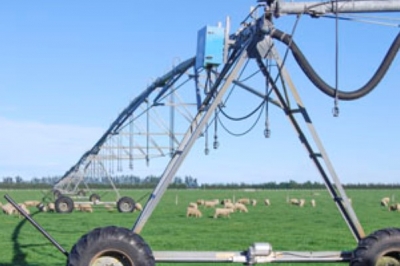
The lush green pasture of an already irrigated sheep and cattle farm in Central Canterbury was chosen by Primary Industries Minister Nathan Guy as the place to announce nearly $8 million in fresh funding for three Canterbury irrigation schemes.
Noting that the excellent pasture was the result of irrigation, Guy announced $6.64 million for Stage Two of the Central Plains Water scheme, $898,000 for the Sheffield Water Scheme and $312,000 for the Hinds Managed Aquifer Recharge Pilot Study.
Guy says CPW is a significant investment in the Canterbury region which would transform the economy and help grow exports.
He says farmers had to comply with strict environment plans around water use.
"Importantly, the Central Plans water storage as it progresses into Stage Two is going to take a huge amount of pressure off the ground water aquifer," said Guy.
"As a result of that, that water is going to flow through to Lake Ellesmere and Te Waihora – I think to the benefit of that lake, by about 15% or 20% improvements in flow, which I think is significant."
The CPW funding is earmarked for engineering design for Stage Two of scheme, which aims to extend coverage by about 25,000ha, depending on shareholder uptake.
The Sheffield Water Scheme is CPW's smaller, stand-alone project aiming to irrigate about 3500ha to 4500ha with water from the Waimakariri and Kowai Rivers.
The third funding announcement was for the innovative Hinds Managed Aquifer Recharge Pilot Study. The project aims to recharge and reduce the nitrogen load in aquifers in the Hinds area by channeling clean water from the Rangitata into a 'leaky pond' near Lagmhor, inland from Ashburton.
Ecan's project leader for the study, Brett Painter, said the funds would help pay for the already completed pond and a series of monitoring wells. The project is to be officially opened next month.
Wednesday's announcement was made at Pemberley Farm, at Charing Cross, about 40km due west of Christchurch. Farm manager Valerie Walpot finishes about 15,000 sheep and 1600 cattle a year on the 440ha property, of which about 390ha is already irrigated by well water.
Owners, the Cross Brothers, have been firm supporters of the CPW scheme and the farm is expected to convert to CPW's Stage Two.
Ground water is becoming increasingly unreliable, and Walpot said converting to the scheme would be part of being a good environmental citizen and taking pressure off the aquifers.
New Zealand’s red meat sector has welcomed the India-New Zealand Free Trade Agreement taking effect, which removes India’s 33% tariff on New Zealand sheepmeat.

New Zealand's role is not to compete with Indian growers, according to NZ Apples and Pears.
The red meat sector is in great heart.
With lambing underway in many regions, Beef + Lamb New Zealand is encouraging farmers to put together a wellequipped lambing kit to help minimise lamb losses, particularly in bad weather.
Opuha Dam's ability to protect South Canterbury communities from major flooding has taken a significant step forward, with Opuha Water Limited (OWL) successfully commissioning a new outlet valve capable of releasing record volumes of water from the dam ahead of a weather event.
New analysis from DairyNZ highlights the growing importance of efficiency and cost control in maintaining profitability, with a widening gap between New Zealand’s highest and lowest performing dairy farms.
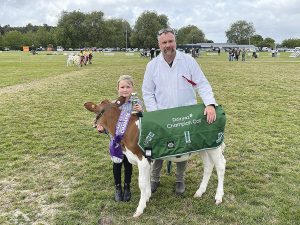
For eight-year-old Myra Smith, weeks of caring for and preparing her Red Holstein Friesian calf, Bell, have paid off, with the young Te Pahu handler taking home the Champion Dairy Type title at the recent Waikato A&P Show held at Claudelands.
A titan of the meat industry but a humble and generous guy.
In line with New Zealand’s strategy to open up new markets, the Ministry for Primary Industries (MPI) his extending its diplomatic footprint.
Demand for dairy products over the next two decades will increasingly be shaped by demographic shifts, rather than population growth alone.
The global dairy industry is fighting back against alternative proteins masquerading as dairy products.


OPINION: The same mainstream media muppets that brought you Jacindamania in 2017 have been flat out pimping for the Opportunities…
OPINION: Your old mate reckons the atrocious way farmers in the UK are treated by their lords and masters in…