
Tongan Student Wins Final William Gearish Award
Vetekina Pau'u is the first Tongan to win the William Gearish Memorial prize and sadly she will also be the last recipient.




 increase font size
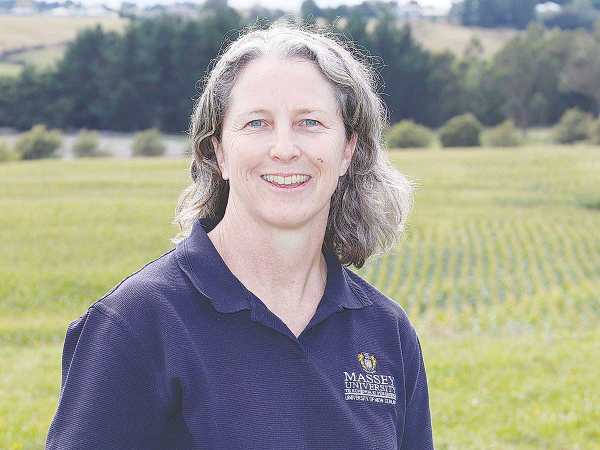 Senior research officer at Massey's School of Agriculture and Environmental Lucy Burkitt.
Demand for expertise in sustainable nutrient management, environmental planning and improved freshwater outcomes has seen Massey University's range of agricultural short courses pass the 4300-enrolment mark.
Massey says the courses are tailored to the needs of science, industry, policy and regulatory bodies concerned with primary production.
The first courses were in sustainable nutrient management and soil science, but other courses have been added along the way, such as Agricultural Green House Gas Emissions and Management and Farm Dairy Effluent: System Design and Management.
Senior research officer within the School of Agriculture and Environment, Dr Lucy Burkitt, says the popularity of the courses shows the significant contribution the university has made to improved environment management in New Zealand.
"There was a gap in people qualified in these areas, so we went about filling that gap. Now, we're sending people back to farms with training that will improve the sustainability of agriculture," she says.
Professor of dairy production systems Danny Donaghy, who has been instrumental in developing one of the courses, says the shorter format of the courses are part of their appeal.
"A lot of the people who enroll in our courses are working full time, so travelling to Palmerston North for a face-to-face course just isn't feasible for them. These course offer them relevant learning that can complement their current employment," he says.
Emeritus Professor Mike Hedley has been involved in initiating and continuing the delivery of Massey's short course offerings over the years. He says what's taught in the courses has become an essential skill base for New Zealand farmers.
"If New Zealand farmers are to meet the agreed future greenhouse gas emissions and freshwater regulatory requirements that industry bodies and government have recently agreed on, they need nutrient management and farm environmental planning skills," he says.
Vetekina Pau'u is the first Tongan to win the William Gearish Memorial prize and sadly she will also be the last recipient.
Researchers at Massey University are using a special piece of scientific equipment to improve the measurement of greenhouse gas emissions from pasture soils.
Interest in agritech and production animal systems has prompted Massey University's School of Agriculture and the Environment to new majors to its popular animal science degree.
The industry is crying out for graduates with agricultural related degrees.
A four year trial has reaffirmed that mixing plantain into dairy pastures can help reduce nitrogen losses to freshwater while maintaining milk production and profitability, say researchers.


Federated Farmers has welcomed new rural policies released by ACT, saying they align closely with its own election priorities.

Rural Contractors NZ says proposed changes to land transport rules for agricultural vehicles are a welcome response by the Government to out of date regulations which have seen members hit with huge fines.
Alliance is calling for final applications for its 2027 Graduate Programme, with applications closing on Sunday 25 October.
Decades piloting planes has ensured vet and farmer David Hayes is focused on safety. So, after a serious accident while welding on farm, he is sharing his experience so others can learn from it.
Canterbury milk processor, Synlait Milk has confirmed Leon Fung as its chief executive officer.
OPINION: Making it easier to collect rainwater and use it to grow crops and livestock is a no brainer.




OPINION: The same mainstream media muppets that brought you Jacindamania in 2017 have been flat out pimping for the Opportunities…
OPINION: Your old mate reckons the atrocious way farmers in the UK are treated by their lords and masters in…




