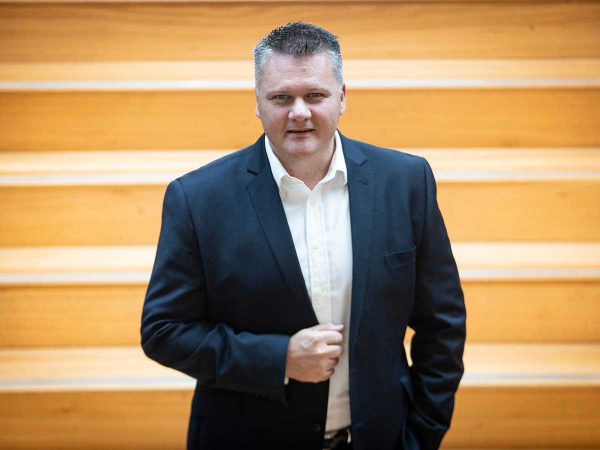
Chief executive Miles Hurrell says its solid half-year results, released last week, shows the strategy is up and running and delivering outcomes.
“The whole team is heading in the same direction; we are chasing value, not volume,” he says.
Fonterra announced a net profit of $391m for six months ending January 31, 2021. This was 22% lower than the same period last year, which included gains from the sale of two overseas businesses.
The co-operative’s normalised profit after tax was $418m, up 43%.
Hurrell says Fonterra isn’t a “one-trick pony”. Its scale and diversity in markets and products gave the co-op the ability to move milk to where the most value can be created.
The standout performer continues to be Greater China, which delivered a 38% increase in normalised EBIT to $339 million.
Hurrell says this reflected the strength of the co-op’s foodservice business in this region, improvements in consumer business and China’s strong economic recovery following the initial impact of Covid-19.
Asia Pacific, which includes New Zealand, lifted its EBIT 9% to $190 million, predominantly driven by people cooking at home during the Covid lockdowns and cooking more with dairy.
Fonterra’s rest of the world business (AMENA) experienced a 7% drop in normalised EBIT, mainly because of lower sales volumes in Ingredients.
But Hurrell says Fonterra moved out of AMENA region into higher returning markets and products.
Covid wreaked havoc in many Fonterra markets. Hurrell says despite this, the co-op is staying focused on what it can control – looking after people, making progress on strategy to drive sustainable value for New Zealand milk.
“I would like to thank our team for delivering this result,” he says.
“While we’ve been fortunate here in New Zealand, many of our people overseas are still in lockdown and have now been working from home for 12 months.”
However, Fonterra could not avoid shipping delays caused by Covid.
“Our sales book is well contracted, however, as a result of some small shipping delays, our product inventory is higher than it was this time last year and this means our investment in working capital is also higher,” says Hurrell.