New Rural Recycling Scheme to Replace Voluntary Farm Plastics Programmes by 2027
Environment Minister Nicola Grigg has announced details of a new rural plastics recycling scheme.




 increase font size
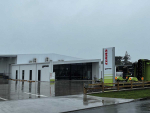
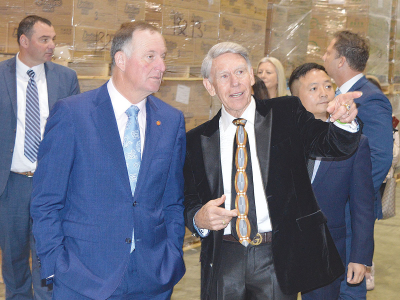 Former PM John Key and Graeme Clegg at the $50m factory opening.
Former Prime Minister John Key says imposing another tax on farmers now for greenhouse gas emissions won’t achieve much.
He says science will provide answers to methane and nitrate emissions over time. Until then a tax should be out of the question.
Speaking to Rural News last week at the opening of a $50 million upgrade to New Image Group (NIG) Nutritionals’ goat milk plant in South Auckland, Key said New Zealand farmers are good at adapting new technology.
“While large amount of greenhouse gas emissions in the agriculture sector come from methane and nitrate emissions, the reality is that at the moment we don’t have answers to that,” he said.
“Science will provide answers over time but if we expect our farmers to just pay another tax for no particular reason, what’s that really achieving?
“I think our farmers have historically shown that they are very good at adapting and taking up good technology -- paying their way when they can.”
Key says he’s not sure what a tax on emissions will achieve right now.
The Labour-led Government’s Interim Climate Change Commission (ICCC) recommended that agriculture be brought into the Emissions Trading Scheme (ETS) from 2025 at a 95% discount rate, meaning farmers would pay only 5% of the cost of their emissions.
But National’s policy on this issue was that farmers should only be brought into the scheme if the agricultural sector “met certain conditions”, ie increased productivity levels and finding the science to make continuous improvements.
Key says while NZers care a lot for the environment, they also care about making sure people have jobs and the country remains an efficient food producer.
“The challenge is to marry the two together,” Key said.
And he is also worried about other challenges facing the farming sector: global trade wars, increasing on farm costs and volatile commodity prices.
“While we’ve had high commodity prices overall, things can change very quickly, as we’ve seen with log prices recently,” he said.
Key says agriculture remains the backbone of NZ and the country needs our farmers to succeed.
On Fonterra, Key said it was disappointing that the co-op wouldn’t be paying a dividend this year. He hopes Fonterra will come right with the new chief executive Miles Hurrell at the helm.
“Ultimately, Fonterra needs to be strong because they are our global champion.”
Key said he is no longer invested in Fonterra units.
Environment Minister Nicola Grigg has announced details of a new rural plastics recycling scheme.

For the first time in a quarter of a century, Federated Farmers has something positive to say about the Labour Party’s climate change policy leading into a general election.
The Ballance Farm Environment Awards are coming to the West Coast of the South Island.
Climate, nature and animal wellbeing make up Fonterra's refreshed sustainability roadmap released last week.
There's been widespread support from the primary sector for the Government's announcement on changes to freshwater farm plans that come under the Natural Environment Bill, which is now set to replace the existing RMA.


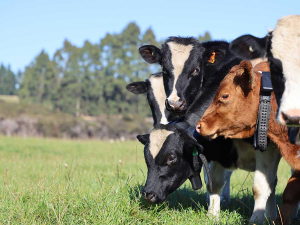
High country stations, mixed sheep and beef farms, Māori-owned farms, corporates and family operations are among the nine commercial farms taking part in the Livestock Innovation Farming Transformation programme, known as LIFT.
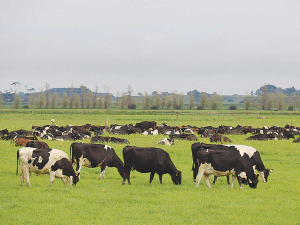
OPINION: New health and safety guidance unveiled by the Government recently provides farmers greater certainty about what is expected of them when managing risks on farm.
The National Animal Welfare Advisory Committee (NAWAC) is seeking public feedback on proposed changes to the Code of Welfare for Rodeos.
A New Zealand initiative supporting farmers to restore the health of grazing landscapes has received international backing through the Regenerative Fund for Nature, a global collaborative fund supporting regenerative agriculture and the communities that produce natural fibres for the fashion industry.
Combine premium New Zealand products, blend in a family ritual and what do you get? A world-class functional drink.
Entries are now open across eleven regions for the 2027 New Zealand Dairy Industry Awards (NZDIA).


OPINION: The same mainstream media muppets that brought you Jacindamania in 2017 have been flat out pimping for the Opportunities…
OPINION: Your old mate reckons the atrocious way farmers in the UK are treated by their lords and masters in…