
Damien O’Connor Criticises Budget 2026 as ‘Miserable’ for Rural New Zealand
A miserable budget that didn’t deliver much for anyone.




 increase font size
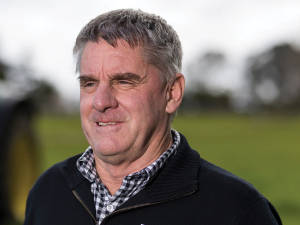
 Minister for Agriculture and Rural Communities Damien O'Connor says that while the new residency pathway is good for the industry, they need to focus on other long-term solutions.
An estimated 9,000 migrants working in New Zealand’s primary industries and their families could benefit from the Government’s new one-off, simplified pathway tor residency, says Agriculture and Rural Communities Minister Damien O’Connor.
“This is a great step that will provide certainty for hard-working migrants, their families, their employers and our rural communities,” O’Connor says.
Immigration Minister Kris Faafoi today announced the new 2021 Resident Visa, an arrangement that could see up to 165,000 migrants granted residence.
According to details released on Immigration New Zealand’s website, to be eligible you must:
You must also meet one or more of the following three criteria:
Eligible visas include the Essential Skills Work Visa, the Religious Worker Work Visa, the Post Study Work Visa and the Skilled Migrant Category Job Search Work Visa.
Visa holders an also include their partners and dependents in their application.
Applications for the 2021 Resident Visa will be open in two phases; on 1 December 2021, and 1 March 2022.
O’Connor says that while the announcement will help to relieve workforce pressure, he believes the primary industries still needs to stay focused on long-term strategies for developing people.
“Immigration is one way to source people, but we also need to keep up the good work that’s been done over the past 12 months or so to attract Kiwis into life on the land or supply chains, and of course retain them,” he says.
“Wherever you go in modern economies around the world, the most valued resource is people and it’s no different for our primary sector.
“Across our primary industries we are experiencing very good growth in export revenues and having great people will be key to our trade-led recovery from Covid-19,” O’Connor says.
A miserable budget that didn’t deliver much for anyone.

The New Zealand Nature Fund (NZNF) has congratulated the government on recently announced changes to the Active Investor Plus (AIP) Visa Growth category.
OPINION: At a time when farmers are advocating for less government spending and no new taxes, the dairy sector is rightly concerned by ACT's new immigration policy.
ACT's new immigration policy has come under fire from farmers and the Government.
National's decision to ‘dribble’ information about the NZ/India to Labour contributed to the delay in it deciding to supported the FTA.


Federated Farmers has welcomed new rural policies released by ACT, saying they align closely with its own election priorities.

Rural Contractors NZ says proposed changes to land transport rules for agricultural vehicles are a welcome response by the Government to out of date regulations which have seen members hit with huge fines.
Alliance is calling for final applications for its 2027 Graduate Programme, with applications closing on Sunday 25 October.
Decades piloting planes has ensured vet and farmer David Hayes is focused on safety. So, after a serious accident while welding on farm, he is sharing his experience so others can learn from it.
Canterbury milk processor, Synlait Milk has confirmed Leon Fung as its chief executive officer.
OPINION: Making it easier to collect rainwater and use it to grow crops and livestock is a no brainer.





OPINION: The same mainstream media muppets that brought you Jacindamania in 2017 have been flat out pimping for the Opportunities…
OPINION: Your old mate reckons the atrocious way farmers in the UK are treated by their lords and masters in…




