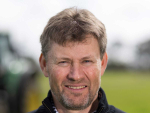
Mark Hooper Joins NZPork Board as Independent Director
Rural leader Mark Hooper has been appointed as an independent director to the NZPork board, bringing extensive farming, governance and advocacy experience to the role.




 increase font size
 NZ Pork chief executive David Baines.
With a lack of overseas workers, New Zealand’s pork sector is calling on the government for urgent action.
The sector wants the Government to urgently review its current policies on skilled migrant workers as it faces severe staff shortages, according to industry group NZ Pork.
Each year, New Zealand’s pig farming industry relies on experienced workers from overseas to meet a shortfall in staff with the necessary skills required to work with the country’s pig herd.
However, NZ Pork says the industry is concerned skilled migrants already working on pig farms in New Zealand may not have their visas renewed or existing workers trying to return from overseas visits will be blocked, leaving farmers with significant staffing shortages.
A NZ Pork survey of pig farmers found that many fear their existing skilled migrant staff may be required to leave New Zealand as a result of immigration measures taken in response to the COVID-19 pandemic.
“The sector’s strong preference would be to have a pool of available skilled and unskilled New Zealand workers,” says NZ Pork chief executive David Baines.
“However, pig farming is a relatively niche sector in New Zealand and the reality is that there is a significant shortage of New Zealanders applying for roles.
“The industry relies on a supply of skilled migrant workers who have been trained in their home countries. The numbers in total are small, particularly compared to major industries such as dairy, but the productivity of the industry is very vulnerable because of the precision nature of pig farming.”
Further concerns raised include the cost of visas, processing times, a lack of pathway to residency and a lack of consistency from Immigration New Zealand in terms of visa length and conditions.
NZ Pork has requested an urgent meeting with the Minister of Immigration Iain Lees-Galloway to discuss the shortage of labour.
Rural leader Mark Hooper has been appointed as an independent director to the NZPork board, bringing extensive farming, governance and advocacy experience to the role.

As the cost-of-living crisis continues to put pressure on household grocery budgets, new figures show pork remains one of the most affordable fresh meat options for New Zealand families.
Patoa Farms Limited, New Zealand's largest pig farm, has been sold for an undisclosed price.
With ethical employment practices a "hot topic" in key markets, Sustainable Winegrowing New Zealand (SWNZ) is strengthening its People Pillar.
OPINION: Farmers have been clear: it is getting harder, not easier, to find and keep good people.


Federated Farmers says it welcomes Labour's commitment to reviewing the Sharemilking Agreements Act, calling on other major parties to do the same.
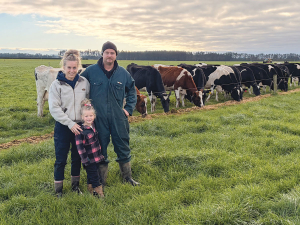
For Canterbury dairy farmers Sian Meijer and Rick Wobben, wearable technology has become one of their most valuable on-farm tools - helping manage 1850 cows across an expansive, high-performing dairy operation while improving efficiency, mating outcomes and day-to-day decision making.
Fonterra has unveiled its annual results for the 2026 financial year, posting $27 billion in revenue and close to $20 billion returned to New Zealand farmer owners and unit holders.
The first major update to the Dairy Cattle Code of Welfare in more than a decade has been released, marking what DairyNZ describes as an important step in ensuring animal welfare standards continue to evolve alongside scientific evidence and on-farm realities.
Ravensdown shareholders have elected Jane Montgomery and Kate Acland to the Ravensdown Board for three-year terms, following a closely contested director election.
Federated Farmers says new legislation replacing the Resource Management Act will cut red tape, unlock investment and help grow New Zealand's export-led economy, after the Planning Bill and Natural Environment Bill passed their third reading in Parliament yesterday.




OPINION: The same mainstream media muppets that brought you Jacindamania in 2017 have been flat out pimping for the Opportunities…
OPINION: Your old mate reckons the atrocious way farmers in the UK are treated by their lords and masters in…




