How a Scholarship Helped Build a 1400-Cow Taranaki Farm
On a farm in Tikorangi, North Taranaki, Brent Stevenson is sharemilking 1,400 cows.




 increase font size

TBfree New Zealand continues to take positive steps to manage bovine tuberculosis (TB) in several Taranaki herds.
Four infected herds are being carefully monitored, one close to Opunake and three near Inglewood.
Farmers should feel reassured that the TBfree New Zealand programme is working hard to keep on top of the situation, it says. The aim is to contain the outbreak through the use of stock movement restrictions and on-farm management plans.
All stock movements on to, and off, the infected properties are being investigated to help establish the source of the disease and reduce the potential risk of TB spreading. Livestock cannot currently be moved off the four infected properties without an official permit.
Herds in a defined area near these infected properties will soon be TB tested more often, and localised pest control will be undertaken to ensure the disease is not present in wild animal populations. All infected livestock will be culled and tested to find out which strain of TB they were carrying, helping to give a clearer picture of where the source of the infection may have originated.
Once the extent and cause of the TB outbreak is fully assessed and planning for on-going control of the disease is complete, TBfree New Zealand will organise community meetings to update farmers on the situation in Inglewood and Opunake.
TBfree New Zealand's Northern and Central North Island regional coordinator Frank Pavitt believes the herd infections are a stark reminder that the disease is still present in the region.
"The large amount of dairy stock being shifted around Taranaki creates a potential TB risk for farmers. They simply cannot afford to place their livelihoods in jeopardy through the possible spread of the disease," says Pavitt.
Meanwhile, the TBfree New Zealand programme has cleared one Taranaki property of the disease.
"This shows that the robust methods used to control TB are extremely sound. Taranaki is no stranger to the disease and has experienced several outbreaks since 2006. Each has been dealt with by following well-planned procedures and processes," says Pavitt.
If farmers are in any doubt about an animal's TB risk, or Animal Status Declaration (ASD) form, contact TBfree New Zealand on 0800 482 4636 for further information about its movement history.
On a farm in Tikorangi, North Taranaki, Brent Stevenson is sharemilking 1,400 cows.

Taranaki is preparing to welcome the country’s top young farmers for one of rural New Zealand’s most anticipated events.
Philip and Lyneyre Hooper of the Hoopman Family Trust have tonight been named the Taranaki Regional Supreme Winners at the Ballance Farm Environment Awards.
New Zealand is closer to eradicating bovine TB than ever before, but possums remain a threat, says Beef + Lamb New Zealand.
As an independent review of the National Pest Management Plan for TB finds the goal of complete eradication by 2055 is still valide, feedback is being sought on how to finish the job.

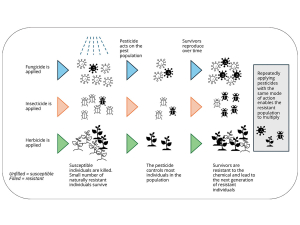
Growers and farmers are being encouraged to have an important conversation before the coming season starts: how to prolong the effectiveness of the crop protection tools they rely on.
A new digital assistant is now helping Ballance Agri-Nutrients farmers speed up nutrient information and ordering.
New Zealand apple and pear industry stakeholders are out in force for the annual conference in Queenstown.
Cameron Reed lives between two worlds.
Improving health and safety is about incremental gain rather than a sudden decision, says Leeston farmer and Federated Farmers health and safety spokesman David Birkett.



A fair question has been raised about how member-funded organisations should conduct themselves when taking a public position on any…
OPINION: It really is getting harder to lampoon government bureaucrats when they do such a good job of it themselves.…