Ravensdown Elects Montgomery, Acland to Board
Ravensdown shareholders have elected Jane Montgomery and Kate Acland to the Ravensdown Board for three-year terms, following a closely contested director election.




 increase font size
 Greg Campbell, Ravensdown chief executive.
Fertiliser co-op Ravensdown this week paid out an interim rebate of $20/tonne to farmer shareholders.
“This should give farmers confidence as they plan through the winter and head into the spring growth period,” says Greg Campbell, Ravensdown chief executive.
“Those attending National Fieldays will have a little more money in their pockets and we anticipate a flow-on effect to others in the rural communities.”
Ravensdown is also cutting the price of its mainline NPKS inputs. From 10 June, a tonne of potash or urea costs 6% less and granular ammonium sulphate is 9% less. Superphosphate also moves down from $319 to $309 per tonne.
“This price cut is not about shifting more tonnages, but about being more effective and building confidence. The amount of major nutrients we recommend is determined by independent soil testing, computer modelling and input from trained advisors,” says Campbell.
“As a cooperative, our policy is to advise our owners to apply only what’s needed.”
Campbell believes poor quality can be a false economy.
“Prilled urea is good if you’re planning to scatter it by hand, but costly if you’re going back and forth more often in a spreading truck.
Similarly a compacted ammo sulphate will break up and become dusty a lot faster than a strong granule.”
“The early rebate, price competitiveness and spread-ready quality are all about helping farmers optimise value from the land.
“Ravensdown continues to see annual growth in new member shareholders. Hundreds of new shareholders have joined us in the past year.”
This shows the appeal of the cooperative model remains strong, Campbell says.
Ravensdown shareholders have elected Jane Montgomery and Kate Acland to the Ravensdown Board for three-year terms, following a closely contested director election.

OPINION: It appears to be difficult for people who haven’t tried to run a business to understand the difference between assets and cash.
OPINION: In the 1980s, concern was expressed in West Germany about the falling birth rate. Some simple analysis was performed by Professor Helmut Sies, physician and biochemist at Dusseldorf University. His letter ‘A new parameter for sex education’ was published in Nature in 1988:
Walking around the Fieldays this year, expected most of the conversations to be about machinery purchases and farm infrastructure upgrades. Instead, one topic seemed to keep cropping up more frequently with farmers – the price of PKE.
When it comes to annual rebates, it's been a long time between drinks for Ravensdown shareholders.


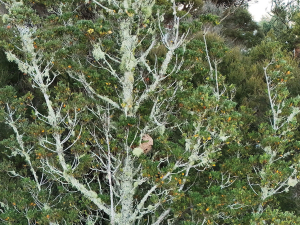
Will drones be the answer to tackling the problem of wasp and hornet nests high up in trees and other inaccessible places?
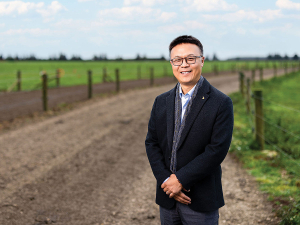
Canterbury milk processor Synlait has come through tough times and is now ready to scale up from a stable base, says its newly confirmed CEO Leon Fung.
NZPork says a ham made in New Zealand is not necessarily made from New Zealand pork.
Rural Contractors NZ says proposed changes to land transport rules for agricultural vehicles are a welcome response by the Government to out-of-date regulations which have seen members hit with huge fines.
With New Zealand’s greenhouse gas emissions in the spotlight, Auckland scientist Nathan Balasingham says there’s a better way to tackle the problem than shrinking cow numbers or fertiliser usage.
Massey University vice chancellor Pierre Venter says his institute is moving from a period of austerity into a growth phase, based on their new strategy.




OPINION: The same mainstream media muppets that brought you Jacindamania in 2017 have been flat out pimping for the Opportunities…
OPINION: Your old mate reckons the atrocious way farmers in the UK are treated by their lords and masters in…