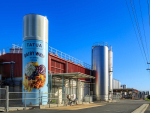
Ah Tatua, You've Done It Again!
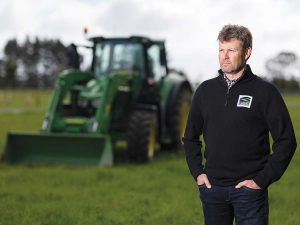
Waikato milk processor Tatua has again declared a record milk payout to farmer shareholders, leaving other processors in the dust.




 increase font size
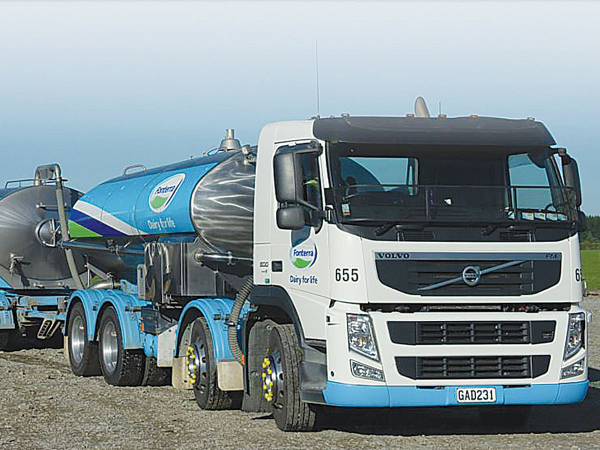 Fonterra is forecasting a mid-point of $9.50/kgMS and the upper end of its forecast range touches $10/kgMS.
A record farmgate milk price for Fonterra shareholders is all but confirmed for this season.
While the strong milk price is lifting farmer confidence and sentiment, inflation remains a concern.
BNZ senior economist Doug Steel notes that even if a record milk price is achieved this season, it is unlikely to be a record in inflation-adjusted terms.
Fonterra is forecasting a mid-point of $9.50/kgMS and the upper end of its forecast range touches $10/kgMS. BNZ has lifted its forecast to $9.75/kgMS. The previous record farmgate milk price was $9.30 paid in 2021-22 season.
Steel notes that on-farm costs have increased significantly over recent seasons.
"On our calculations, a nominal milk price of about $11.50 would be required this season for a record to be achieved in real terms.
"That looks like a stretch too far, but it is not to deny a decent milk price this season is becoming more and more likely.
"At the same time, more milk is also being made. Importantly, in the past, a high milk price has often been associated with weak NZ milk production. Not this year. NZ milk supply has generally had a strong start to the season."
Federated Farmers dairy chair Richard McIntyre says that while this might be a record milk price in dollar terms, that doesn't really tell the full story, because costs are up on farm as a result of inflation.
"To give you an example, to match the $9.30 paid in the 2021-22 season, we'd need the payout to be $11.50 in today's dollars," he told Rural News.
"Farmers will also be spending a lot of the money on deferred maintenance, paying down overdrafts to more manageable levels - which have been increasing the last few years."
Steel puts the strong milk price down to two broad reasons: constrained supply in major exporting regions, aside from Oceania; and buoyant demand, including the potential for some pre-buying ahead of Christmas, the Chinese Lunar New Year, and 'event risk' associated with the US election.
He notes that strong pricing and higher volumes will generate significant revenues for the dairy sector.
"Our current projections show dairy sector revenue associated with this season's milk to lift by over $3 billion compared to the previous season.
“There are likely some holes to fill from a tighter previous season. But more cash gives farmers options. It is good to have them.”
However, while positivity currently prevails, so do many risks.
“This includes how the second half of the NZ dairy season pans out and its potential influence on global prices.
“We are also wary of the possibility that at least some of the current dairy product price strength is associated with buyers lifting inventory levels ahead of potentially significant changes to US tariffs and possible flowon effects. If nothing else, such factors suggest some caution in blindly extrapolating current price strength into subsequent seasons.”
Fonterra chief executive Miles Hurrell says its forecast for the season signals another year of steady performance from the co-op.
“With Fonterra delivering consistent and reliable results, we’ve seen a lift in farmer confidence and sentiment,” says Hurrell.
Waikato milk processor Tatua has again declared a record milk payout to farmer shareholders, leaving other processors in the dust.
Synlait has swung to second-half profit as operations stabilise, but the dairy processor still posted a $75.4m annual loss.
Fonterra has unveiled its annual results for the 2026 financial year, posting $27 billion in revenue and close to $20 billion returned to New Zealand farmer owners and unit holders.
Fonterra Co-operative Group has confirmed the independently assessed candidates standing for election to its board in 2026.
Fonterra has revised its Farmgate Milk Price forecast for the 2026/27 season, lifting the midpoint and narrowing the range on the back of improving global dairy commodity prices.

Mobile phone coverage and reliability are deteriorating in rural areas, and farming families are bearing the cost, according to a Federated Farmers survey.
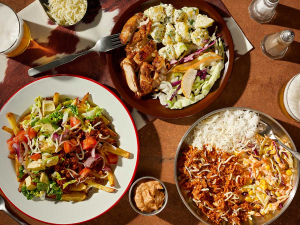
HelloFresh New Zealand has launched a limited-edition Country Cookout Box of Southern-inspired meals, arriving as the 2026/27 rodeo season gets underway.
Beef + Lamb New Zealand Incorporated (BLNZ Inc) is marking 40 years of promoting red meat to New Zealand consumers, citing its taste, family meals and nutritional benefits.
Pāmu has welcomed Taranaki student Paige Burston as its newest First Foundation Scholar, supporting her journey towards a career in agriculture and animal science.
Farmer-owned fertiliser company, Ballance Agri Nutrients is welcoming National’s plan to negotiate security agreements with key supplier countries to protect New Zealand-bound products from export restrictions and greater supply chain certainty.
Carrfields has announced the appointment of Stu Hall to the newly created role of chief operating officer, Carrfields Ltd, reflecting the continued growth of their agribusinesses and the need to ensure the company has the leadership capacity and support in place as it pursues the emerging opportunities ahead.


OPINION: The same mainstream media muppets that brought you Jacindamania in 2017 have been flat out pimping for the Opportunities…
OPINION: Your old mate reckons the atrocious way farmers in the UK are treated by their lords and masters in…




