
India FTA Removes 33% Tariff on NZ Sheepmeat
New Zealand’s red meat sector has welcomed the India-New Zealand Free Trade Agreement taking effect, which removes India’s 33% tariff on New Zealand sheepmeat.




 increase font size
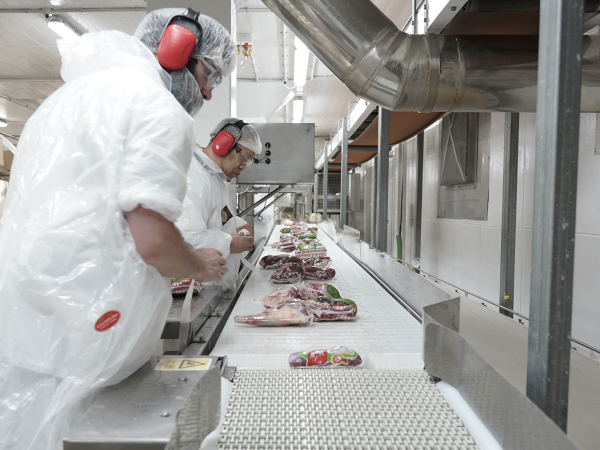 New Zealand exported red meat and co-products reached $870 million in July.
New Zealand exported red meat and co-products worth $870 million during July 2021 – marking a 29% increase year-on-year, according to analysis from the Meat Industry Association (MIA).
More than 25,300 tonnes of sheepmeat and almost 50,000 tonnes of beef were exported with increases in the value of exports to all major North American and Asian markets.
This included a 1,425% increase in beef exports to Thailand compared to July 2020. Thailand was New Zealand’s tenth largest market for beef by volume during the month, at 347 tonnes.
MIA chief executive Sirma Karapeeva says the main reason for the growth in exports to Thailand was the removal of beef safeguards that were put in place when the NZ-Thailand Closer Economic Partnership (CEP) was negotiated 15 years ago.
“That came off at the end of last year and beef exports are now tariff-free. So, instead of a rush of beef exports to Thailand at the start of each year to try and take advantage of the small tariff-free safeguard volume, we are now seeing companies put regular export programmes in place. Beef exports to Thailand have been growing steadily throughout the year,” Karapeeva says.
“High quality Free Trade Agreements (FTAs) are critical to market diversification. This really demonstrates the importance of FTAs to facilitate open markets that help companies to invest in markets and develop strong commercial relationships.”
China remained the largest market, with total exports worth $330.2m, a 57 per cent increase on the same period last year.
The US was the second highest with $241.2m, a 32 per cent increase, followed by Japan, up 62 per cent at $42.6m, and Taiwan with $26.8m, representing an 18 per cent increase.
July also saw a continuing trend in recent months of strong sheep meat exports into the United States, which increased 109 per cent year-on-year to $42m, and beef exports into China, up 95 per cent to $156m. Beef exports to most major beef markets also increased.
While exports to main European destinations were down compared to July 2020, this was more than compensated for by the increased demand from other markets. The UK dropped 25 per cent to $19m, Germany by 28 per cent to $17m and the Netherlands by 11 per cent to $17m.
New Zealand’s red meat sector has welcomed the India-New Zealand Free Trade Agreement taking effect, which removes India’s 33% tariff on New Zealand sheepmeat.
New Zealand's red meat and fifth-quarter exports reached $867 million in August, up 23% on the same month last year, as stronger returns lifted earnings across all major markets.
Meat Industry Association data, released alongside the Red Meat Sector conference in Wellington, shows export value climbing across the US, China, UK and Canada.
OPINION: The stats speak for themselves.


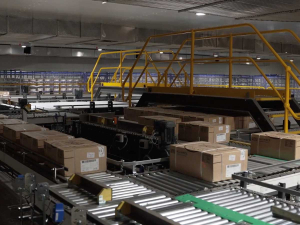
Alliance is calling for final applications for its 2027 Graduate Programme, with applications closing on Sunday 25 October.
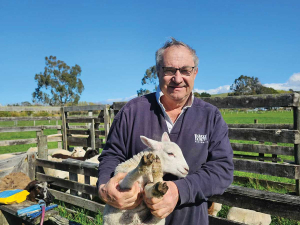
Decades piloting planes has ensured vet and farmer David Hayes is focused on safety. So, after a serious accident while welding on farm, he is sharing his experience so others can learn from it.
Canterbury milk processor, Synlait Milk has confirmed Leon Fung as its chief executive officer.
OPINION: Making it easier to collect rainwater and use it to grow crops and livestock is a no brainer.
As part of its Election 2026 coverage, Rural News asked political parties how they would help pull the arable sector out of the doldrums. Here's what they said:
Farmers are being encouraged to rethink how they manage waste on farm with the launch of ruralwastesorted.co.nz, a new website bringing together practical tips, real farmer experiences and resources.




OPINION: The same mainstream media muppets that brought you Jacindamania in 2017 have been flat out pimping for the Opportunities…
OPINION: Your old mate reckons the atrocious way farmers in the UK are treated by their lords and masters in…