India FTA Removes 33% Tariff on NZ Sheepmeat
New Zealand’s red meat sector has welcomed the India-New Zealand Free Trade Agreement taking effect, which removes India’s 33% tariff on New Zealand sheepmeat.




 increase font size
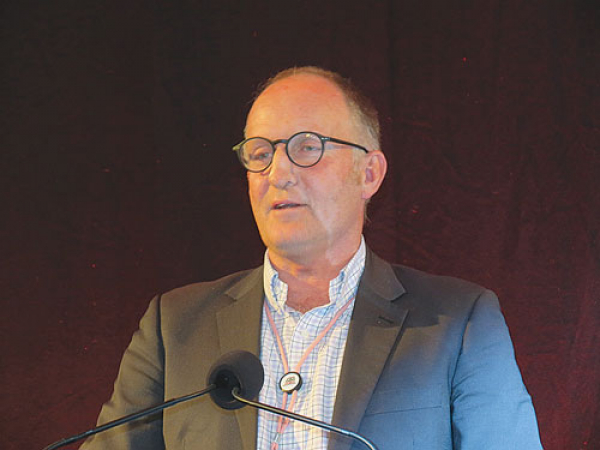 Beef + Lamb NZ chair Andrew Morrison says the new strategy aims for better profitability and sustainability.
New Zealand’s red meat sector has launched a new strategy to identify and unlock market opportunities and improve the sector’s sustainability, productivity and prosperity.
The strategy is a collaboration between Beef + Lamb New Zealand (B+LNZ) and the Meat Industry Association (MIA).
It sets out four key goals for the sector to achieve by 2030, including sustainably profitable, premium value, vibrant communities, and trusted guardianship.
The strategy builds on the first Red Meat Sector Strategy which was adopted in 2011.
“Our vision is to grow sustainable value together and we are committed to doing the right thing by our people, animals and environment,” said Andrew Morrison, chairman of B+LNZ.
He says the new strategy would establish critical priorities B+LNZ and MIA would work on together with industry partners.
“We have set our sights on greater profitability, sustainability and resilience. We are seeking increased value for our customers and consumers and greater social and economic benefits for Aotearoa,” he said.
Morrison says that since the first Red Meat Sector Strategy was established, co-operation continued to grow and expand into new areas.
“By partnering across the supply chain on the most important challenges and opportunities for the red meat sector, we have been able to create value for all sector participants, as well as our country, communities and consumers.”
John Loughlin, chairman of MIA, says the strategy captures work the sector is already engaged in and the opportunities that will build the sector’s future.
“By establishing clear goals and priorities, the strategy provides a platform for partnerships of shared aspiration especially with Māori, the dairy sector, other primary sector leaders and the New Zealand Government,” Loughlin said.
“Our people and businesses are integral to New Zealand’s communities and economy. We are proud of what we do and our contribution to the wellbeing and prosperity of our country, and we’ll keep working hard to constantly improve.”
New Zealand’s red meat sector has welcomed the India-New Zealand Free Trade Agreement taking effect, which removes India’s 33% tariff on New Zealand sheepmeat.
New Zealand's red meat and fifth-quarter exports reached $867 million in August, up 23% on the same month last year, as stronger returns lifted earnings across all major markets.
Meat Industry Association data, released alongside the Red Meat Sector conference in Wellington, shows export value climbing across the US, China, UK and Canada.
Esther Guy-Meakin has been announced as the new chief executive of the New Zealand Meat Board (NZMB).



Federated Farmers has welcomed new rural policies released by ACT, saying they align closely with its own election priorities.

Rural Contractors NZ says proposed changes to land transport rules for agricultural vehicles are a welcome response by the Government to out of date regulations which have seen members hit with huge fines.
Alliance is calling for final applications for its 2027 Graduate Programme, with applications closing on Sunday 25 October.
Decades piloting planes has ensured vet and farmer David Hayes is focused on safety. So, after a serious accident while welding on farm, he is sharing his experience so others can learn from it.
Canterbury milk processor, Synlait Milk has confirmed Leon Fung as its chief executive officer.
OPINION: Making it easier to collect rainwater and use it to grow crops and livestock is a no brainer.

OPINION: The same mainstream media muppets that brought you Jacindamania in 2017 have been flat out pimping for the Opportunities…
OPINION: Your old mate reckons the atrocious way farmers in the UK are treated by their lords and masters in…