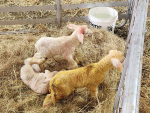
Beef + Lamb NZ's Lambing Kit Checklist for a Tough Season
With lambing underway in many regions, Beef + Lamb New Zealand is encouraging farmers to put together a wellequipped lambing kit to help minimise lamb losses, particularly in bad weather.




 increase font size
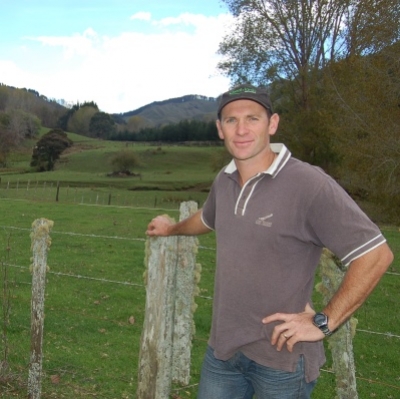
The free trade agreement with Korea is critical for New Zealand sheep and beef farmers and meet exporters, says Beef + Lamb NZ chairman James Parsons.
It keeps us competitive in this key market, says Parsons.
The free trade agreement (FTA) will be a significant step towards reducing the overall amount of tariffs paid on New Zealand red meat exports, says both Parsons and the Meat Industry Association (MIA).
Trade Minister Tim Groser signed this week the New Zealand Korea FTA with his Korean counterpart.
The New Zealand sheep and beef sector is worth $8.5 billion, with close to 90% exported, on which we paid $318 million of tariffs in 2013. A significant proportion of those tariffs were paid in Korea ($52m) – where applied tariffs on our beef exports are 40%.
Korea is New Zealand's fourth-largest beef market by volume, taking nearly $125 million of beef exports last year. However, trade volumes have dropped significantly in recent years, partly due to competitors such as the United States, and more recently Australia and Canada, having a tariff advantage through their FTAs with Korea.
"These negotiations were tough, and credit must go to our government negotiators and to Trade Minister Groser for the excellent job they did in getting this deal done" said MIA chairman Bill Falconer.
B+LNZ and MIA work together to improve access for sheep and beef products to overseas markets, including by providing in-depth analysis in support of the Government's FTA negotiation efforts.
With lambing underway in many regions, Beef + Lamb New Zealand is encouraging farmers to put together a wellequipped lambing kit to help minimise lamb losses, particularly in bad weather.

Chinese beef trade quotas and a looming suspension of Brazilian beef imports into the European Union are expected to reshape global beef trade flows over the remainder of 2026, with implications for New Zealand exporters, according to Rabobank's Q3 Global Beef Quarterly report.
Will a stronger, more coordinated voice help rebuild confidence and improve returns in the wool sector?
New Zealand consumers are paying more for beef mince than ever before, with the average retail price now sitting above $24 per kilogram, according to Rabobank.
Bovine Viral Diarrhoea (BVD) is sometimes viewed as a dairy industry issue, but the reality is that the disease can have serious consequences for beef breeding herds as well.

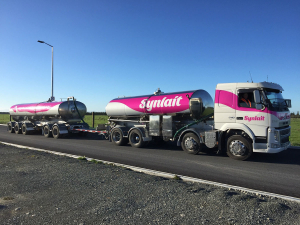
Synlait has swung to second-half profit as operations stabilise, but the dairy processor still posted a $75.4m annual loss.
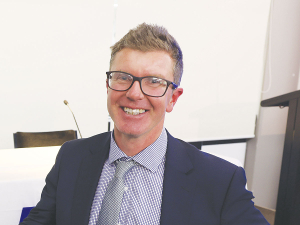
LIC shareholders have elected a new North Island representative to the co-operative's Board, along with five representatives to its Shareholder Reference Group (SRG), following the company's Annual Meeting held in Invercargill.
Farmers across parts of Southland and South Otago are continuing to deal with difficult conditions after a prolonged run of wet weather, with pressure building around feed supply, stock management, pasture damage, farm infrastructure and everyday workloads.
Federated Farmers says it welcomes Labour's commitment to reviewing the Sharemilking Agreements Act, calling on other major parties to do the same.
For Canterbury dairy farmers Sian Meijer and Rick Wobben, wearable technology has become one of their most valuable on-farm tools - helping manage 1850 cows across an expansive, high-performing dairy operation while improving efficiency, mating outcomes and day-to-day decision making.
Fonterra has unveiled its annual results for the 2026 financial year, posting $27 billion in revenue and close to $20 billion returned to New Zealand farmer owners and unit holders.




OPINION: The same mainstream media muppets that brought you Jacindamania in 2017 have been flat out pimping for the Opportunities…
OPINION: Your old mate reckons the atrocious way farmers in the UK are treated by their lords and masters in…




