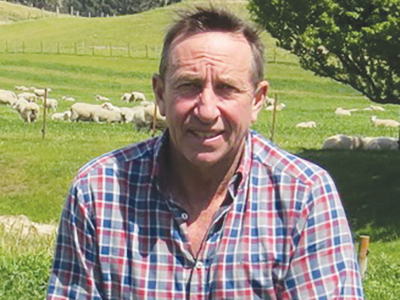
Doug Avery, author of The Resilient Farmer, has launched a new workshop to help farmers improve their mental health and their businesses.
Avery is changing direction in his life, hitting the third age with a new venture.
Over two decades, Avery took his family farm – Bonavaree, near Lake Grassmere in southern Marlborough – from a 206ha struggle to a 2600ha multi-million venture thanks to “God’s own plant” lucerne.
He tells that story, and his battle with mental health, in a book, The Resilient Farmer, which has taken him around New Zealand and the world as rural communities look for ways to help people struggling with their own issues.
Now Avery has moved into central Blenheim, looking to work with people on more than mental health issues in a programme called Woolshed Sessions. This has participants working with him and two other facilitators to develop their own business and personal skills. In this Avery applies what he has learnt as a “resilient farmer”, and his co-facilitators’ professional experience.
“I’m moving on from the ‘sad bastard’ to a ‘glad bastard’,” Avery says. “I am what I am, but this course is more than my material. It is a business development course, a mind incubator for the rural sector. It’s an area screaming out for growth in future farming.”
The two-day Woolshed Sessions are practical hands on workshops where ‘resilient farmer’ principles are applied to the people who attend and their businesses.
The courses are limited to 16 people -- farming couples are encouraged to attend together -- and it’s aimed at people aged 25-55 with business experience and ambition to grow.
The Blenheim courses are interactive with field trips, speakers and workshop sessions. Participants leave with a specific plan to take resilient thinking back to their world. Farmax is providing every attendee with six months subscription and training.
Avery wants to share what he’s learnt with others, to change their thinking and their actions.
“I look at my own life now. A lot of people think it was lucerne that changed my life. It may have been the opportunity, but it was really the gathering of soft skills that changed my life.”
The participants get entry to a private online platform after the Woolshed Sessions, so they can go on developing with the others from their course.
Avery and wife Wendy host the sessions with co-facilitators Russell McMurray and Cam Macduff.
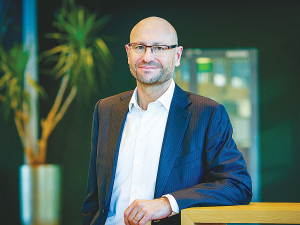
McMurray co-founded a Wellington organisational psychology practice and has 30 years experience helping companies to develop leadership practices and organisational culture.
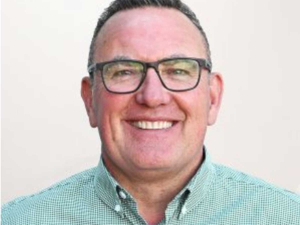
Cam Macduff co-founded Wonderlab, a Wellington brand and marketing agency which helps businesses and organisations affect positive change for their brands, products and services and clients.
The first Woolshed Sessions course was run as a trial last year.
“The dynamic of having people away from home, where they don’t know anyone else, makes the processes of discovery much more powerful.”
Taranaki farmers Kieran and Claire Bourke did the first course after being offered it through their bank, BNZ.
https://tinyurl.com/woolshedtickets