Many doctors in rural parts of NZ are facing a cash-flow crisis due to the COVID-19 pandemic.
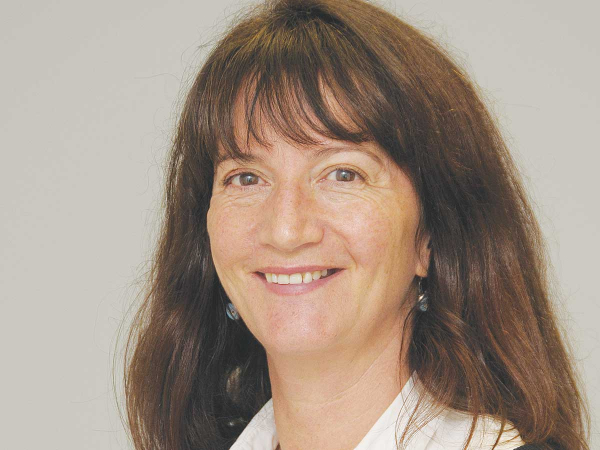
Dr Fiona Bolden, chair of the Rural General Practice Network, told Rural News that in some cases rural practices have suffered a 90% drop in the cash coming across their counters.
She says with less money coming from consultations and a huge drop in ACC related claims, some rural practices are facing a financial crisis.
“Our people still have to pay the rent and staff, and nobody wants to lay off staff, but I have heard anecdotal stories about that happening around the country. Those staff are going to be needed as people start to get sick,” Bolden says.
“This crisis has involved massive change management implications because everyone is having to work really hard on top of all the other stuff. Our people are trying to manage the anxiety and uncertainty and getting used to new ways of working.”
Dr Bolden, who’s also on the GP’s Leaders Forum, says they have approached the Ministry of Health for special assistance and some money is being available. Last week, Dr Ashley Bloomfield – the director general of the MOH – told media that more funding would be made available.
She notes that some rural practices are managing the situation well, while others are struggling to deal with the situation – especially when many of the cases of COVID-19 are occurring in rural areas.
“The practices that were struggling with their practices beforehand are under even more stress than before.”
Bolden told Rural News this also depended on how well practices were set up for remote consultation beforehand, with some obviously better set up before COVID-19 came along.
“But for some, this has been a massive, massive changeover and has happened very quickly because they were already under a lot of pressure.”
She says one of the unique problems facing rural GPs is the influx of people from cities and towns into small rural communities where these folks have baches and are self-isolating there. Bolden says this is putting huge pressure on local rural surgeries where these people are trying to get flu immunisation and they are not registered with that medical practice.
“We are having difficulty meeting the needs of our own patients – let alone people from elsewhere. Lots of people have been doing that and the Coromandel has been badly affected as has the Lakes area in Central Otago. With people coming in from outside the district it is increasing the risk of community transmission in the local population.”
Caring for carers
Dr Bolden says the other issue facing health professionals in rural areas is how to deal with people who need regular care.
She says the whole issue of career support is a big national problem because a lot of the carers – who are working so hard with the elderly – also have their own elderly parents that they are looking after at home.
“So, we are going to see that the number of careers who are available to care for elderly drop off as they have to self-isolate because of their own reasons. Then when people get ill there is a big query about how we look after those people in their own homes as much as possible.”
Bolden is not confident that mental health facilities in rural areas will be able to cope with the demand for help as the crisis continues. She notes that many farmers are already facing problems on farm dealing with drought, M Bovis and a rapidly changing financial situation – not to mention COVID-19.
She believes there will be more fallout from this as time goes by.