
M.I.A.
OPINION: The previous government spent too much during the Covid-19 pandemic, despite warnings from officials, according to a briefing released by the Treasury.




 increase font size
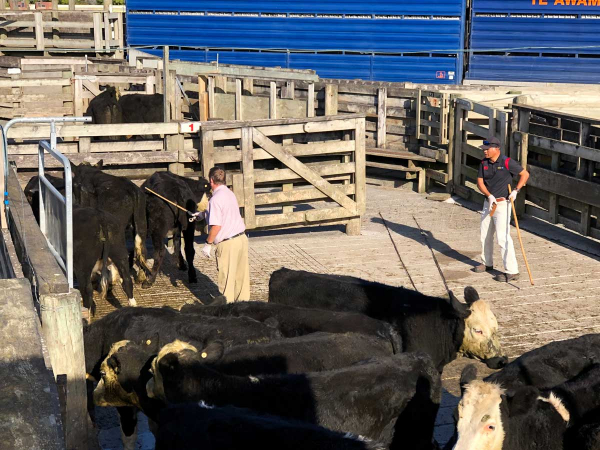 Both the Frankton and Stratford sales were very successful, according to NZ Farmers Livestock general manager, Bill Sweeney.
After weeks of silence, the Frankton sale yards were bustling with yards of stock up for auction on Wednesday.
The sale marks the restart of NZ Farmers Livestock auctions and saw a hybrid of in-yard bidding, along with on-line bidding.
The Frankton sale is the first of four across the country within the next week. Stratford ran very well the next day with a complete clearance. Morrinsville, and Te Kuiti restart next week with Rongotea the week after. Normal saleyard and other advertised yard and on-farm sales continue from there.
Bill Sweeney, NZ Farmers Livestock general manager, said both the Frankton and Stratford sales were very successful with both in-yard and on-line bidders competing for stock in a seamless, real-time manner.
“The safety of everyone involved in livestock sales is a constant focus and we devoted a huge amount of time over several weeks ensuring COVID-19 safety for all participants.
“Having proven that the Level 3 COVID-19 safety arrangements we developed are keeping people safe, NZ Farmers Livestock is now working to bring this capability to other livestock saleyards, and scheduling on-farm sales using the hybrid bidding options.
“There was a very high clearance of the stock on sale at Frankton and we were pleased with prices in what has become a very uncertain market. Sale details will support wider price discovery within the industry, and this performance and level of successful sale completion reinforces the importance of saleyard and on-farm auctions for farmers, particularly when compared to the relatively poor results from the on-line only alternative platforms.”
“A huge team effort brought together the technical capability to support real auctions in NZ with on-line bidding capability with the protocols, arrangements and attendee behaviours to ensure a COVID-safe and successful sale,” Sweeny says.
“This restart under Level 3 has come in the nick of time for a lot of dairy farmers, with many still needing to sell part or whole dairy herds before the June changeover and start of the 2020-21 season.”
OPINION: The previous government spent too much during the Covid-19 pandemic, despite warnings from officials, according to a briefing released by the Treasury.
OPINION: Labour leader Chris 'Chippy' Hipkins is carrying on the world-class gaslighting of the nation that he and his cohorts started after their disastrous Covid response; now trying to undermine the Covid inquiry to protect his own backside.
OPINION: Did former PM Jacinda Ardern get fawning reviews for her book?
OPINION: Welcome to the second annual NZ Dairy Expo at Matamata – an event created to bring together the best of the New Zealand dairy industry in a focused, grassroots environment where dairy farmers and rural professionals can meet, talk, compare products, and make smart decisions for their farms.
It's a bloody tough year for sheep farmers, but the worst may be over, and the future looks optimistic.


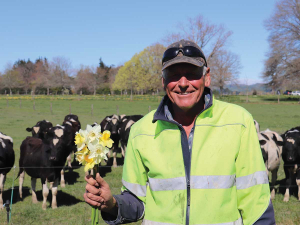
South of the central Hawke’s Bay town of Waipukurau is Taniwha Station – a highly successful 550ha bull beef farming operation.
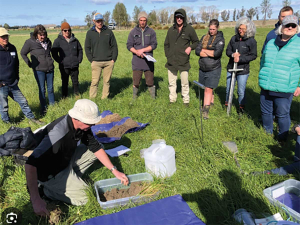
Beef + Lamb NZ funded research has shown that some simple changes to pasture management could help farmers make better use of rainfall and build resilience before dry conditions hit.
OPINION: There could hardly be a more appropriate theme for a conference than the one chosen by the red meat sector - Navigating Volatility.
When Northland leather worker Vernon Suckling started making horse saddles 50 years ago, quad bikes and side-by-side vehicles were unheard of.
Alliance Group has confirmed that eligible farmer-shareholders who supply and continue to back the business will receive up to $20 million later this year, following the strategic investment partnership with Dawn Meats.
With a general election under five weeks away, Rural News is asking major political parties about their policies and positions on key issues facing the primary sector. We will run their responses to each question over the next four weeks. The ACT Party and the Greens didn't respond in time.





OPINION: The same mainstream media muppets that brought you Jacindamania in 2017 have been flat out pimping for the Opportunities…
OPINION: Your old mate reckons the atrocious way farmers in the UK are treated by their lords and masters in…




