
M.I.A.
OPINION: The previous government spent too much during the Covid-19 pandemic, despite warnings from officials, according to a briefing released by the Treasury.




 increase font size
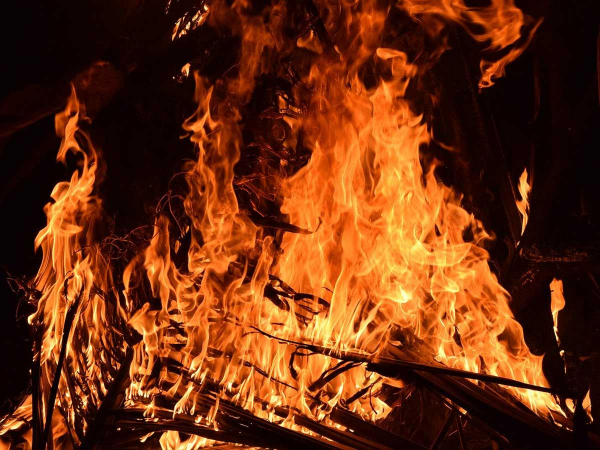 Fire and Emergency is asking people to stop burning.
Rubbish fires have more than doubled during the lockdown period compared to previous years.
As a result of the increase and subsequent emergency callouts, Fire and Emergency (FENZ) is asking people to stop burning.
National Manager Community Readiness and Recovery Steve Turek says FENZ will respond to all emergencies but is asking people to do their bit to minimise the risk of fire and the number of avoidable call outs for firefighters.
"Between 23 March and 22 April, we responded to nearly 750 preventable rubbish fires - more than double the number for the same period last year when we responded to nearly 390 rubbish fires,” he says.
"Even if a fire is permitted and under control, the smoke often generates a 111 call from well-meaning members of the public."
Turek says every time this happens; firefighters need to leave their isolation bubble and risk potential exposure to COVID-19.
"During Alert Level 3 New Zealanders are being asked to stay vigilant and continue following the Government’s advice to keep themselves and others safe."
FENZ is asking people to consider alternatives to lighting fires and holding off from rubbish fires, garden waste fires, and controlled burn offs – unless it is for an essential industry (for example crop farmers).
“If you think your fire is essential and you’ve applied for a permit, please be patient. During COVID-19 Alert level 3 it may take longer than usual for permit applications to be processed. And when you do burn, burn safely.”
People can find out more at www.checkitsalright.nz
OPINION: The previous government spent too much during the Covid-19 pandemic, despite warnings from officials, according to a briefing released by the Treasury.
OPINION: Labour leader Chris 'Chippy' Hipkins is carrying on the world-class gaslighting of the nation that he and his cohorts started after their disastrous Covid response; now trying to undermine the Covid inquiry to protect his own backside.
OPINION: Did former PM Jacinda Ardern get fawning reviews for her book?
Scion is running experimental research burns near Christchurch from March 3-14, to test new theories on how wildfires spread under various conditions.
OPINION: Welcome to the second annual NZ Dairy Expo at Matamata – an event created to bring together the best of the New Zealand dairy industry in a focused, grassroots environment where dairy farmers and rural professionals can meet, talk, compare products, and make smart decisions for their farms.


Federated Farmers has welcomed new rural policies released by ACT, saying they align closely with its own election priorities.

Rural Contractors NZ says proposed changes to land transport rules for agricultural vehicles are a welcome response by the Government to out of date regulations which have seen members hit with huge fines.
Alliance is calling for final applications for its 2027 Graduate Programme, with applications closing on Sunday 25 October.
Decades piloting planes has ensured vet and farmer David Hayes is focused on safety. So, after a serious accident while welding on farm, he is sharing his experience so others can learn from it.
Canterbury milk processor, Synlait Milk has confirmed Leon Fung as its chief executive officer.
OPINION: Making it easier to collect rainwater and use it to grow crops and livestock is a no brainer.





OPINION: The same mainstream media muppets that brought you Jacindamania in 2017 have been flat out pimping for the Opportunities…
OPINION: Your old mate reckons the atrocious way farmers in the UK are treated by their lords and masters in…




